Does Umbrella Insurance Cover Home and Auto
Yes, one umbrella policy extends liability protection over both your home and your cars once their base limits are used up.
What your umbrella actually adds on top of home and auto
- Liability only Umbrella coverage pays for injury or property damage claims against you, not damage to your own home or car. Keep that separate when you think about what it protects.
- Underlying limits required Your home and auto policies need minimum liability limits before the umbrella applies. Check your declarations page or ask your agent what those minimums are.
- One policy, both houses and cars A single umbrella sits above every eligible home and auto policy you own, not just one or the other. If you have a second car or a vacation property, confirm they're listed.
- Gaps get exposed at claim time If your underlying auto or home limit is too low, the umbrella won't fill that gap the way you expect. Raise the base limit first, then let the umbrella sit on top.
- Rules vary by insurer Which policies qualify and how much underlying coverage is required differs by company and sometimes by state. Ask your agent directly before assuming you're covered.
Does umbrella insurance pay if someone sues me after a car accident?
Yes, if the claim against you exceeds your auto policy's liability limit, the umbrella picks up the remainder up to its own limit. This is one of the most common reasons people buy umbrella coverage in the first place, because a serious injury claim can outpace standard auto liability limits quickly.
The umbrella won't pay anything until your auto policy's limit is exhausted, and it only covers liability, meaning what you owe someone else, not repairs to your own car. It also generally won't apply if your auto policy was cancelled, lapsed, or didn't carry the minimum required liability limit at the time of the accident.
If you're relying on an umbrella to protect your savings in a lawsuit, confirm your auto liability limit meets the insurer's requirement now, before anything happens. That single check determines whether the umbrella actually functions the way you're counting on it to.

Deciding whether to raise your underlying limits first
If you do
You check your auto and home liability limits against your umbrella's requirement and raise them if needed. Your umbrella works exactly as intended, picking up seamlessly where your base policy ends, with no gap in a serious claim.
If you don't
You carry the umbrella but never confirm your underlying limits meet the requirement. A lawsuit exceeding your auto or home limit exposes a gap between the two, and part of the claim may fall back on you personally.
Check that your underlying limits qualify, then compare quotes to make sure your umbrella works the way you expect.
A rear-end accident that outgrew the auto policy
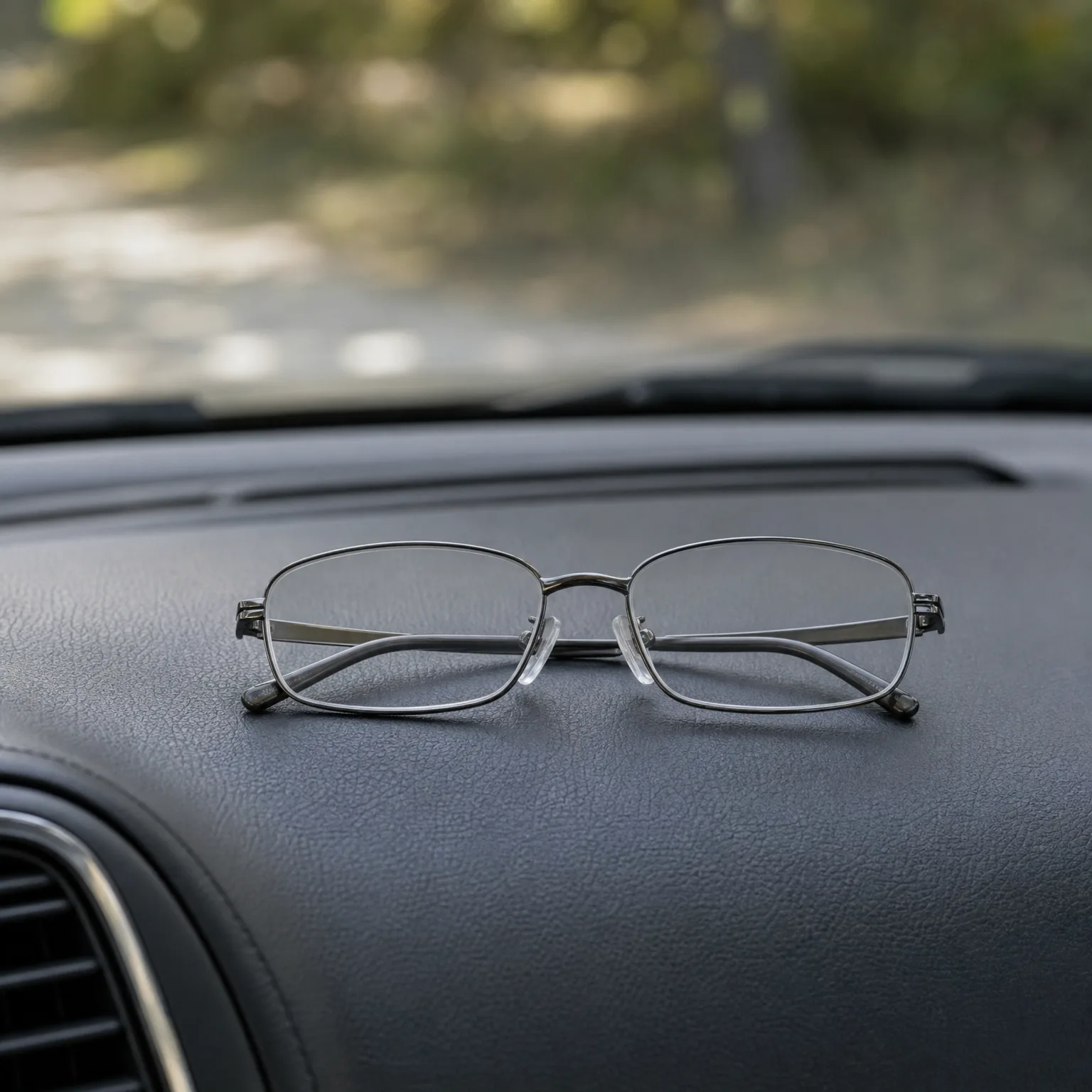
A driver rear-ended another car at a stoplight, and the other driver suffered injuries requiring long-term care. The driver's auto policy carried a liability limit that covered the first portion of the medical and legal costs, but the total claim ended up higher than that limit. Because the driver also carried an umbrella policy, and because their auto liability limit met the umbrella insurer's minimum requirement, the umbrella paid the remaining amount above the auto limit.
The driver's agent had reviewed their underlying limits the year before, specifically because they were adding umbrella coverage, and raised the auto liability limit to meet the requirement at that time. That one review turned out to be the reason the umbrella applied cleanly instead of leaving a gap. The driver didn't have to pay anything out of personal savings, and the claim closed without further dispute.
Why umbrella coverage works as a layer, not a replacement
Umbrella insurance exists to sit above your other policies, not instead of them. Insurers design it this way because liability claims, especially ones involving serious injury, can exceed what a standard home or auto policy limit covers. The umbrella is priced and underwritten assuming your base policies absorb the first portion of any claim, which keeps the umbrella itself affordable.
This is also why insurers require you to carry minimum liability limits on your underlying policies before they'll issue an umbrella. Without that requirement, the umbrella would effectively become your primary coverage, which isn't how it's priced or intended to function. The underlying policy acts as the first line, and the umbrella only engages once that line is exhausted.
Where this gets complicated is when people assume the umbrella covers everything liability-related, including situations their underlying policy excludes entirely. If your auto policy excludes a certain vehicle or driver, the umbrella typically won't step in just because the auto policy didn't pay. The umbrella extends your existing coverage, it doesn't invent new coverage your base policy never had.
The variation across insurers and states shows up mostly in two places, the minimum underlying limits required and which properties or vehicles are eligible to sit under the umbrella. Some insurers require the umbrella and underlying policies to be with the same company, others don't. Ask your agent directly which rule applies to your situation, since assuming the general pattern holds for your specific policies can leave you with a gap you didn't expect.
An umbrella only works if your underlying limits meet its requirement, so check that before counting on it.