Down to Fewer Cars
When you're down to fewer cars than drivers, you can usually drop a car and cut its cost, but check who's still really driving first.
Your policy is priced per car, and empty seats still cost money
An auto policy isn't one price for the household. It's a set of prices, one for each car, and each car's price reflects who's expected to drive it and how often. When a car leaves the driveway for good, whether it was sold, given away, or just isn't being driven by anyone in the house anymore, the coverage built around that car is no longer doing anything for you. Removing it is usually the single biggest lever you have, bigger than adjusting deductibles or shopping small discounts.
The harder question is usually the driver, not the car. If your child still lives at home, or still uses a car that's titled to you, insurers generally expect them to stay listed, even if they don't drive much. The rules for when a driver can come off a policy entirely depend on where they live, whether they own a car themselves, and sometimes on the insurer's own definition of a resident. This is one of the places that genuinely varies, so check your insurer's specific rule before you remove anyone.
There's also a quieter cost that sticks around after a driver moves out. If your child kept their license tied to your address and still visits often enough to drive your cars, most insurers want them disclosed as an occasional driver rather than dropped completely. Leaving them off entirely can cause real problems later if they're ever behind the wheel of your car and something happens.
Where this plays out differently is when the car itself changes use. A car that sits mostly unused, maybe something your child left behind, often qualifies for a lower tier of coverage than an everyday vehicle. That's worth asking about directly, since it's not something insurers always bring up on their own.
What to actually change when the house gets smaller
- Remove the car, not the memory If a car is gone for good, sold, gifted, or totaled, take it off the policy right away. Keeping it listed means paying for coverage with nothing behind it.
- Don't drop a visiting driver If your child still visits and drives your cars sometimes, keep them listed as an occasional driver. Removing them entirely can leave you exposed if they drive and something happens.
- Check the resident rule first Rules for when a driver must be listed depend on residency, not just age or distance. Ask your insurer directly what counts as moved out before you remove anyone.
- Reclassify a rarely driven car A car that mostly sits still may qualify for reduced use coverage. Ask about this specifically since it's rarely offered automatically.
- Re-price after every change Each removal changes the math for the whole policy, not just one line. Get a fresh quote after changes instead of assuming the old discount structure still applies.
One family's driveway after the kids moved out
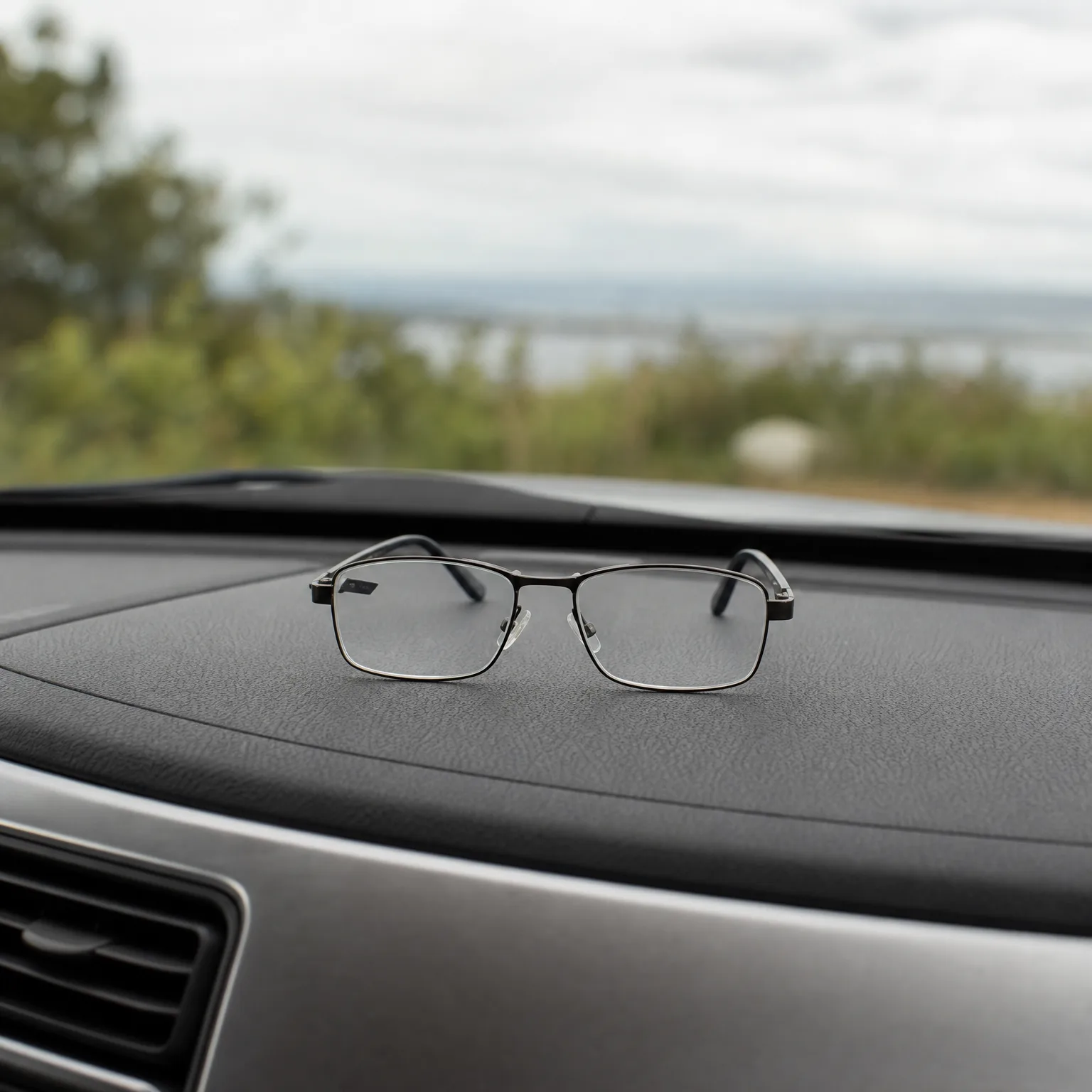
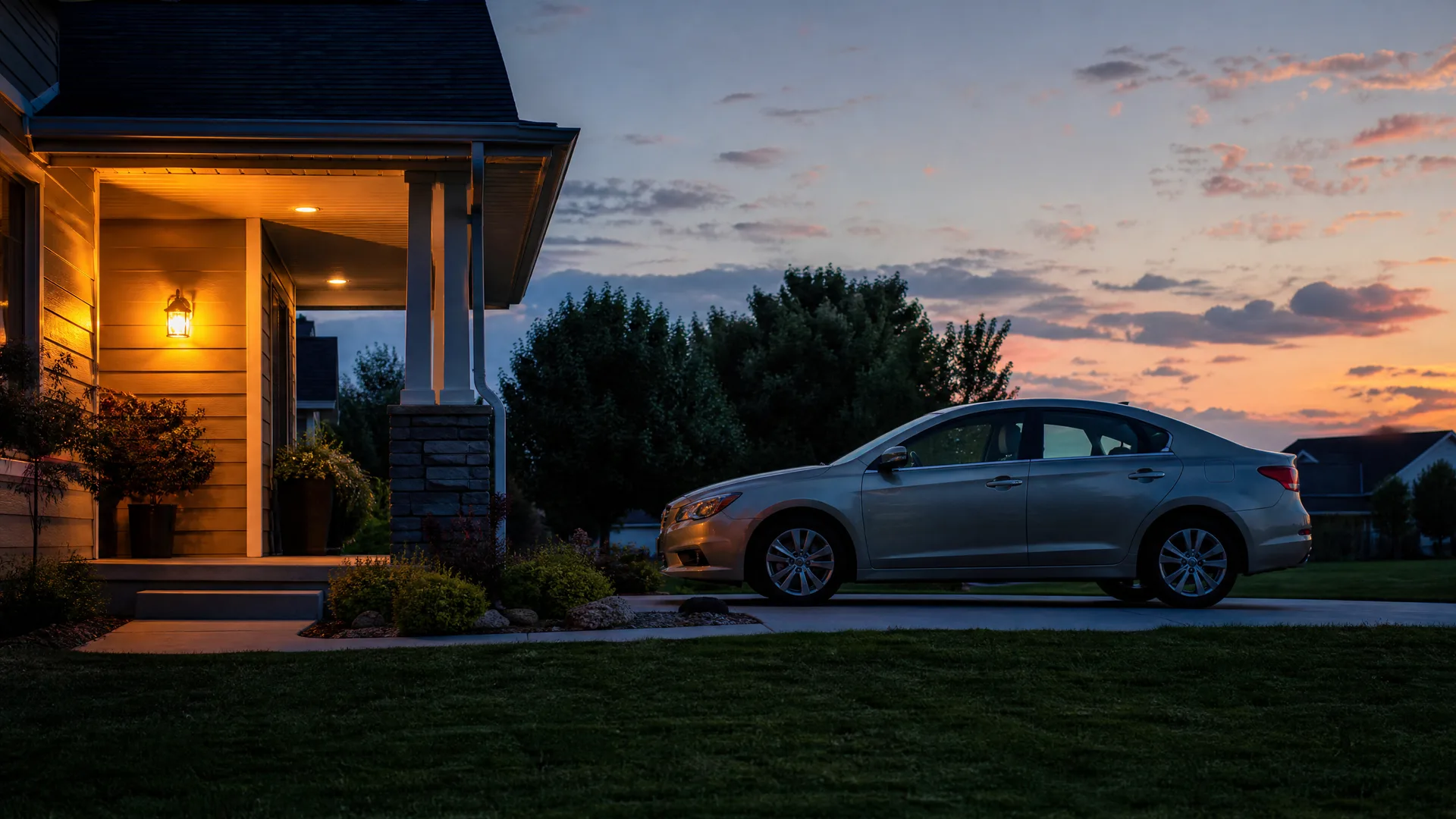
A couple had three cars and two kids on their policy, one in college out of state and one who'd just moved into their own apartment across town. The college car stayed in the driveway all year except holidays, and the second kid had bought a car under their own name. The parents assumed both kids should just come off the policy since neither lived there anymore.
When they called to check, they learned the in-state child still used their address for insurance purposes and visited often enough that leaving them off entirely wasn't safe. They kept that child listed as an occasional driver, removed the out-of-state child since that child's new state and own coverage made them a separate case, and reclassified the rarely driven car as low use. The new policy reflected three real situations instead of one outdated snapshot, and the price dropped because it finally matched what was actually happening, not because they removed people blindly.
Now that you know what to remove and what to keep, compare quotes based on the household you actually have today.
Does my child need their own car insurance policy once they move out?
Usually yes, once they have their own address, their own car, or both. The exact line depends on your insurer's residency rules, so ask them directly rather than guessing from age alone. If your child still visits often and drives your car, they may still need to appear on your policy as an occasional driver even after they technically move out.
What happens to coverage if my adult child still drives my car occasionally?
They're generally still covered, but only if they're disclosed to the insurer as an occasional driver. Leaving them off the policy to save money can backfire if they're ever in an accident while driving your car. Every insurer handles this a little differently, so confirm the specific disclosure requirement rather than assuming silence is fine.
Should I keep extra coverage on a car that's rarely driven now?
No, not at the same level as before. A car that sits most of the year often qualifies for reduced coverage built for low mileage use. Ask your insurer specifically about this option, since it usually has to be requested rather than applied automatically.
The real cost isn't the extra car, it's a policy still priced for a household that no longer exists.