Insuring a Car Your Adult Child Uses
If your adult child regularly drives a car kept at your house, it usually stays on your policy, listed by name.
It comes down to where the car lives and who drives it
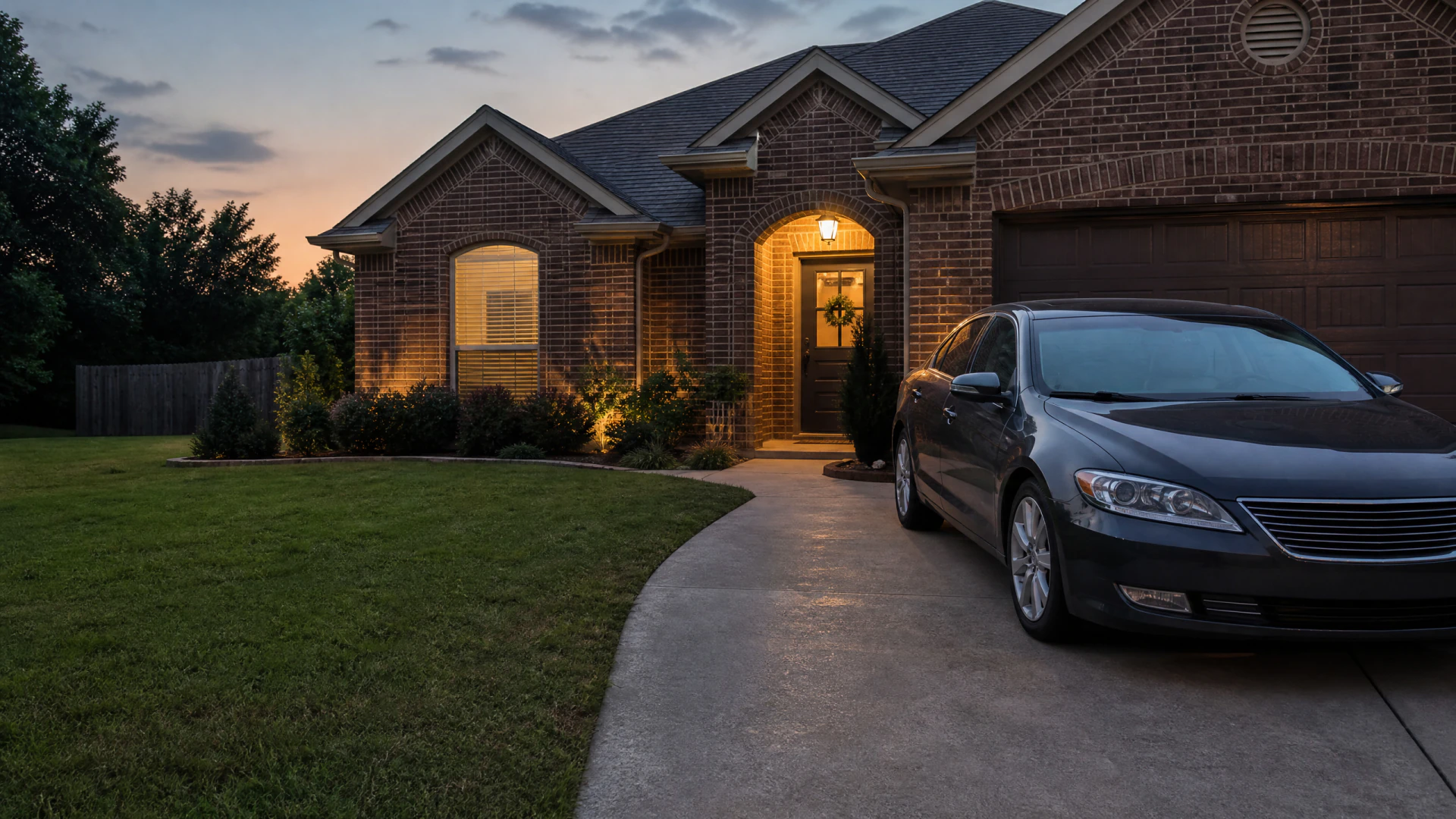
Insurers base coverage on the household and the vehicle's address, not on who happens to be behind the wheel most often. If a car is garaged at your home, it's tied to your policy, and anyone who drives it regularly, including an adult child who's back living with you or stops by often, usually needs to be listed on that policy. This is true almost everywhere, though exact rules about what counts as "regularly" vary by insurer, so it's worth asking directly.
Once an adult child moves out and keeps their own address, the car they drive should generally follow them. If they're taking a car with them permanently, it typically needs to move to a policy at their new address, either their own or one your insurer offers that's linked to yours. If they left the car behind and only drive it on visits, it often can stay on your policy as an occasional driver instead of a primary one, which usually costs less.
Where people get stuck is in the middle. An adult child who moved out but still uses a car parked at your house sometimes, or one who moved back home temporarily, doesn't fit a clean rule. In these cases, insurers look at how often the car is actually driven and where it's kept most nights. Being upfront about the real pattern avoids problems later if there's ever a claim.
The other variable is whether removing a child saves you money or just shifts cost elsewhere. If they take a car and insure it separately, your policy usually gets simpler and cheaper, but their own policy may cost more without your history behind it. Whether that trade is worth it depends on their driving record and how your insurer prices young or newer drivers.
What to sort out before you change anything
- Confirm who's still driving If a child visits often or keeps a car at your house, they likely still need to be listed. Ask your insurer what counts as regular use before removing anyone.
- Match cars to drivers An extra car sitting unused might not need full coverage or might not need to stay on your policy at all. Decide if it's time to sell it or insure it separately.
- Separate the policy if moved out If your child has their own address, their car usually belongs on a policy tied to that address. Ask about linked or family policies that keep a discount.
- Watch occasional driver status A child who visits a few times a year can often be listed as an occasional driver instead of a primary one. This usually costs less than full removal and re-adding later.
- Re-shop after changes stick Once your household and vehicles reflect reality, get new quotes. Insurers price risk differently, and a leaner policy might do better elsewhere.

Whether you update the policy now
If you do
You get an accurate picture of what you're actually covering, often at a lower cost. If your child visits and drives, you'll know they're covered without a gap. Future claims go smoother because the policy matches real life.
If you don't
You keep paying for drivers or cars that may not need full coverage anymore. If an unlisted driver is in an accident, the insurer can delay or deny the claim. You also lose the chance to compare rates based on your new, smaller household.
Once you know who needs to be on the policy, compare quotes to see what a right-sized policy actually costs.
Should my adult child get their own car insurance policy?
If they have their own address and drive a car kept there, yes, they generally need their own policy or one specifically linked to yours at their new location. If they're still using a car that's garaged at your house, even occasionally, they usually stay listed on your policy instead.
The deciding factor is where the car sleeps most nights, not where your child officially lives. A child who moved out but still borrows the family car on weekends might stay on your policy as an occasional driver. A child who took a car with them to their new place almost always needs separate coverage there. Ask your insurer how they define residency and vehicle location, since this determines the answer more than anything else.

Does removing my child from my policy lower my rate right away?
Usually yes, since fewer listed drivers typically means lower risk in the insurer's eyes. The exact change depends on your insurer's rating rules and whether other factors shifted too, like the number of cars or your coverage levels. Ask for a breakdown showing the rate before and after the change so you can see the actual effect, not just assume it dropped.
Can my child still drive my car if they're not listed on my policy?
Occasional use is often fine under a permissive use rule, but regular use usually isn't. Insurers distinguish between someone borrowing the car a few times and someone using it as their regular vehicle. If your child visits a few times a year, you're likely fine. If they're driving it weekly or keeping it at their place, ask your insurer whether that crosses into needing to be listed.
What happens to my policy if my child keeps the car but I keep paying for it?
The car should be insured at the address where it's actually kept, not where the bill gets paid. Paying for a policy doesn't change where the risk lives, and insurers care about the car's location and primary driver. If your child has the car full time, it likely needs to move to a policy tied to their address, even if you're the one covering the cost.