Is My Friend Covered if They Borrow My Car
If you let your friend borrow your car with your permission, your policy covers them, because insurance follows the car, not the driver.

A friend borrows the car for a weekend trip
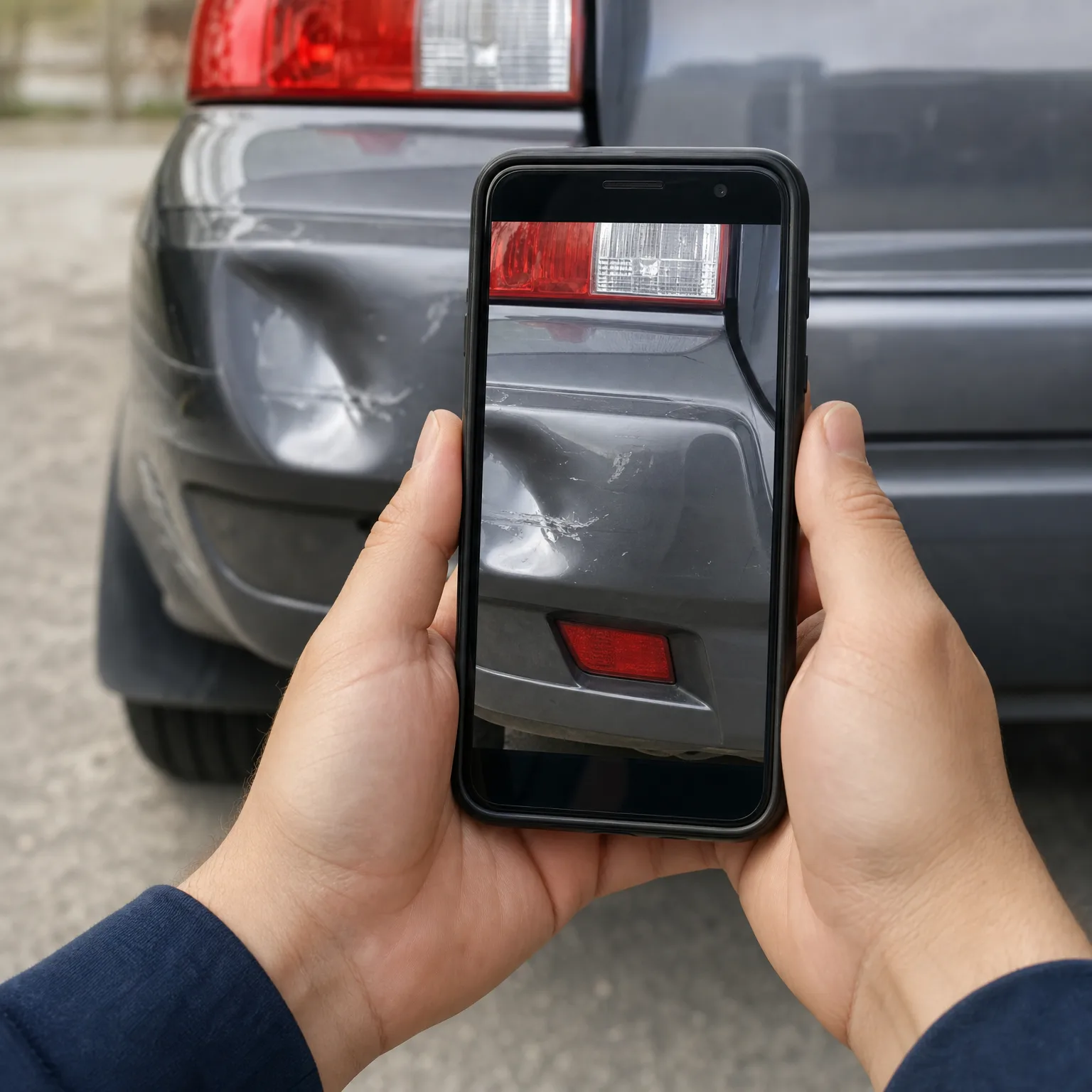
Your daughter's old friend from college visits for a weekend and asks to borrow your car to run errands across town. You hand over the keys without thinking twice, since the car is rarely used now and sits in the driveway most days. While out, the friend gets into a minor accident at an intersection, denting the front bumper and the other driver's door.
Because you gave permission to use the car, your policy responds first, just as it would if you'd been driving. Your insurer pays for the damage up to your coverage limits, and your deductible applies as usual. The friend's own insurance, if they have any, would only step in if the damage went beyond what your policy covers. Nothing about this is unusual or risky for you long term, since a single permitted use by an occasional driver doesn't change your rates the way adding a regular driver would. The bigger lesson for you is realizing that casual lending is already handled by the policy you have, so there's no extra step needed beforehand.
Does letting my friend drive raise my insurance rates?
A one-time, permitted loan to a friend almost never raises your rates on its own. Insurers price policies around who regularly drives the car, not every occasional use, so a single afternoon or weekend doesn't register as a change in risk.
What can affect your rates is a claim, not the loan itself. If your friend causes an accident while borrowing the car, that claim goes on your record the same way it would if you'd caused it yourself, and future premiums may reflect that. If this friend starts borrowing the car often, some insurers may ask you to list them as a driver, and that's worth checking since rules vary by company.
Compare quotes now that you know your policy already covers a friend borrowing your car.

What actually determines coverage when you lend your car
- Permission matters Coverage applies because you said yes. If you hadn't given permission and the friend took the car anyway, your policy might not respond the same way.
- Your policy pays first Your insurance is primary when someone else drives your car with permission. Their own policy, if they have one, only applies after yours is used up.
- Frequent use is different Occasional borrowing is fine, but regular use can mean the insurer expects that person listed on your policy. Ask your insurer where that line falls.
- Excluded drivers don't count If you've specifically excluded someone from your policy, lending them the car removes coverage for that trip. Check your documents if you've ever excluded a household member or past driver.
- State rules can shift this A few details, like how claims affect your rate or how permission is proven, vary by state. Check your policy documents or ask your insurer directly.
Why coverage follows the car and not the person
Auto insurance is built around the vehicle because that's the thing being insured against damage and liability. When you buy a policy, you're covering a specific car for the risks it might face, including the risk that someone else drives it. This is why permission is the key detail, not who happens to be behind the wheel that day.
Insurers design it this way because tracking every possible driver would be unworkable. Instead, they assume the policyholder controls who gets access to the car and build coverage around that assumption. That's why giving someone the keys is effectively giving them your coverage for that trip, as long as it's occasional and not a regular arrangement.
The exception comes when use becomes a pattern. If your friend borrows the car every week, insurers start to see them as a real part of the household's driving risk, not an occasional guest. At that point, some companies want that person listed, because the original pricing didn't account for someone driving that often. This is also where rules diverge most between insurers, so it's worth a direct check rather than assuming.
The other exception is exclusion. If you've ever removed someone from your policy by name, often after they moved out or stopped driving your cars regularly, that exclusion follows them specifically. Permission doesn't override it. That's the one case where handing over your keys doesn't automatically mean coverage follows, so it's worth knowing whether anyone close to your family falls into that category before they borrow the car.
The real risk isn't lending the car, it's not knowing who you've excluded from your policy.