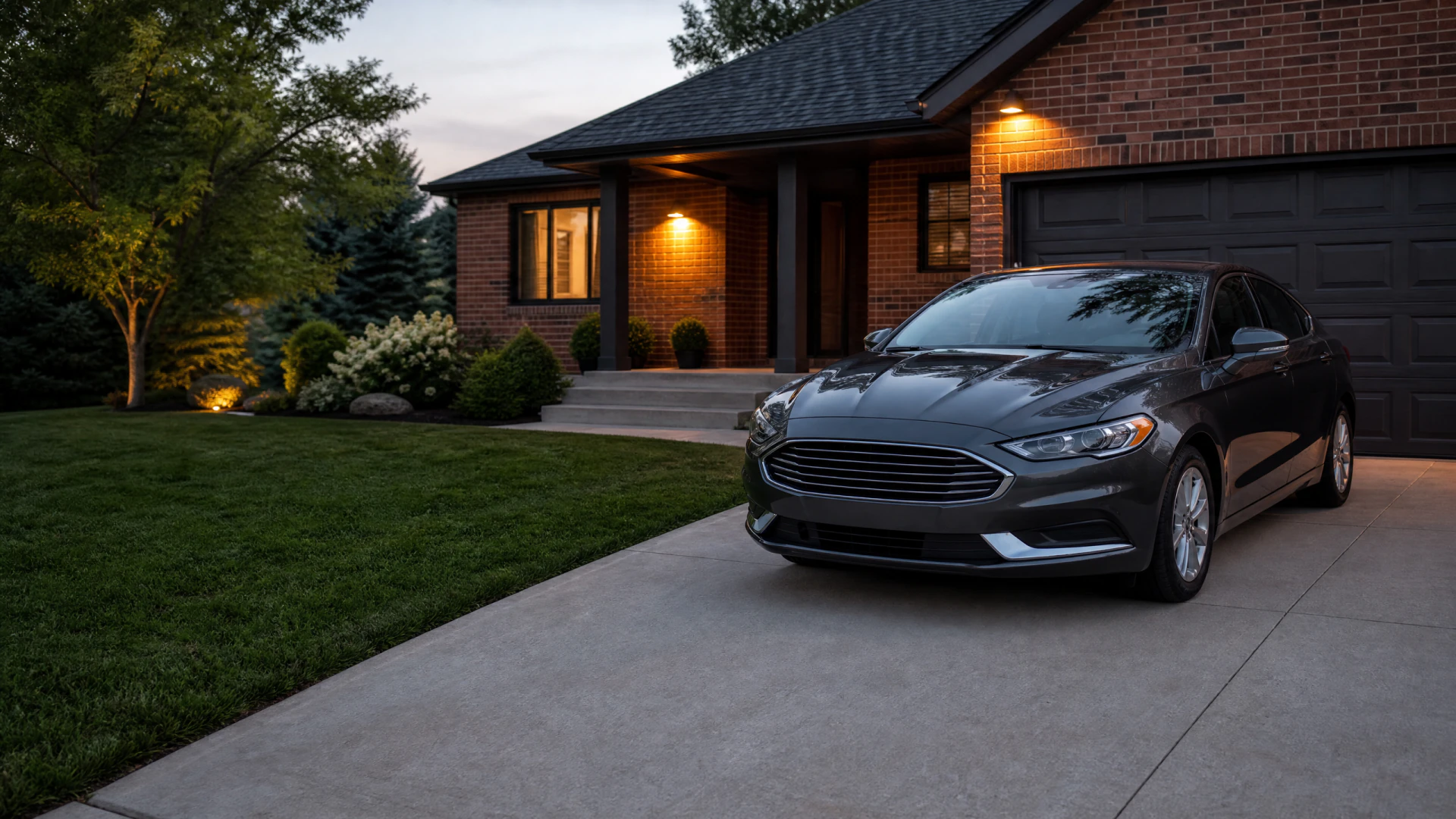
Selling or Keeping the Kids Car
If the car sits more than it drives, selling it usually saves you more than keeping it costs you.

What to weigh before you decide
- How often it actually moves A car driven once a month still costs you most of what a daily driver costs to insure. Check the odometer against last year's reading to see the truth, not your guess.
- What it costs versus its value Add up a year of premium, plus upkeep and the space it takes up. If that number is close to the car's value, selling probably makes more sense than keeping it parked.
- Who drives it when they visit If your adult child comes home and drives it occasionally, ask your insurer how visiting drivers are handled. Some policies cover this without changes, others want the car listed with a driver attached.
- Whether it needs full coverage A rarely driven car doesn't need the same coverage as your daily car. Ask about lowering comprehensive and collision, or dropping them if the car is old enough that payout would be small anyway.
- What selling nets you overall Factor in what you'd get for the car against what you save on insurance each year. If the car is worth little and costs real money to keep insured, selling clears both problems at once.
The car nobody drives but nobody wants to sell
A couple in their fifties still had their son's old sedan in the driveway two years after he moved out for work. He visited every few months and used it to run errands, so they kept it insured year round out of habit, assuming that was cheaper than dealing with a sale. They finally sat down and added up what they were paying for full coverage on a car that moved maybe fifteen days a year.
The number surprised them. They called their insurer first, not to cancel, but to ask what a minimum coverage version would cost, since the car was old enough that collision payout would be small anyway. The savings were real but not dramatic. Then they asked what it would take to just sell it and have their son rent a car on his visits. Once they ran that math side by side, selling won clearly. They listed the car, it sold within a month, and they haven't missed the bill since.
A car you're keeping out of habit is still costing you every month whether it moves or not.
Once you know whether you're keeping or selling, compare quotes to see what your policy should actually cost now.
Why this decision comes down to use, not sentiment
Insurers price a car based on risk, and risk is tied to how much and how often it's driven, who drives it, and what it's worth. A car sitting mostly idle still carries a baseline cost because it's registered, insured, and theoretically available to drive. That baseline doesn't shrink much just because the car is used rarely, which is why low usage alone doesn't automatically mean low cost unless you ask your insurer to adjust for it.
What changes the math is whether you can honestly lower the coverage or the usage classification without creating a gap. Some insurers offer reduced rates for low mileage or seasonal use, others don't adjust unless you explicitly ask. This varies by company and sometimes by state, so you need to call and ask directly what options exist rather than assuming your current plan is the only one.
The other side of the equation is value. An older car with high mileage has little to protect with comprehensive or collision coverage, since any claim payout would be small relative to premium cost. In that case, dropping those coverages while keeping liability can cut cost sharply without real exposure. But if the car is newer or worth more, that math shifts, and keeping fuller coverage might still make sense if you plan to keep using it.
Where this gets complicated is intermittent use by a visiting adult child. If they drive occasionally, most insurers have a way to account for that without full-time listing, but some require it anyway depending on frequency and state rules. That's a case where you genuinely need to ask rather than assume, because getting it wrong either costs you unnecessarily or leaves a real coverage gap if they're in an accident.

Should I remove my adult child from the policy or keep them listed?
It depends on how often they still drive the car, not on whether they've moved out. If they visit occasionally and drive a few times a year, many insurers have a way to account for that without keeping them as a full-time listed driver, which can lower your cost while still covering them when they're home.
If they drive more than occasionally, removing them creates a real risk. An accident while driving a car they're not listed on could complicate or void a claim, depending on your insurer and state. The safest move is to call and describe the actual pattern, how often they drive and for how long, and let the insurer tell you how it should be classified rather than guessing based on what feels right.