What Is Permissive Use in Insurance
If you let someone borrow your car and they're in an accident, your insurance typically covers the damage first.

When a visiting adult child borrows the car
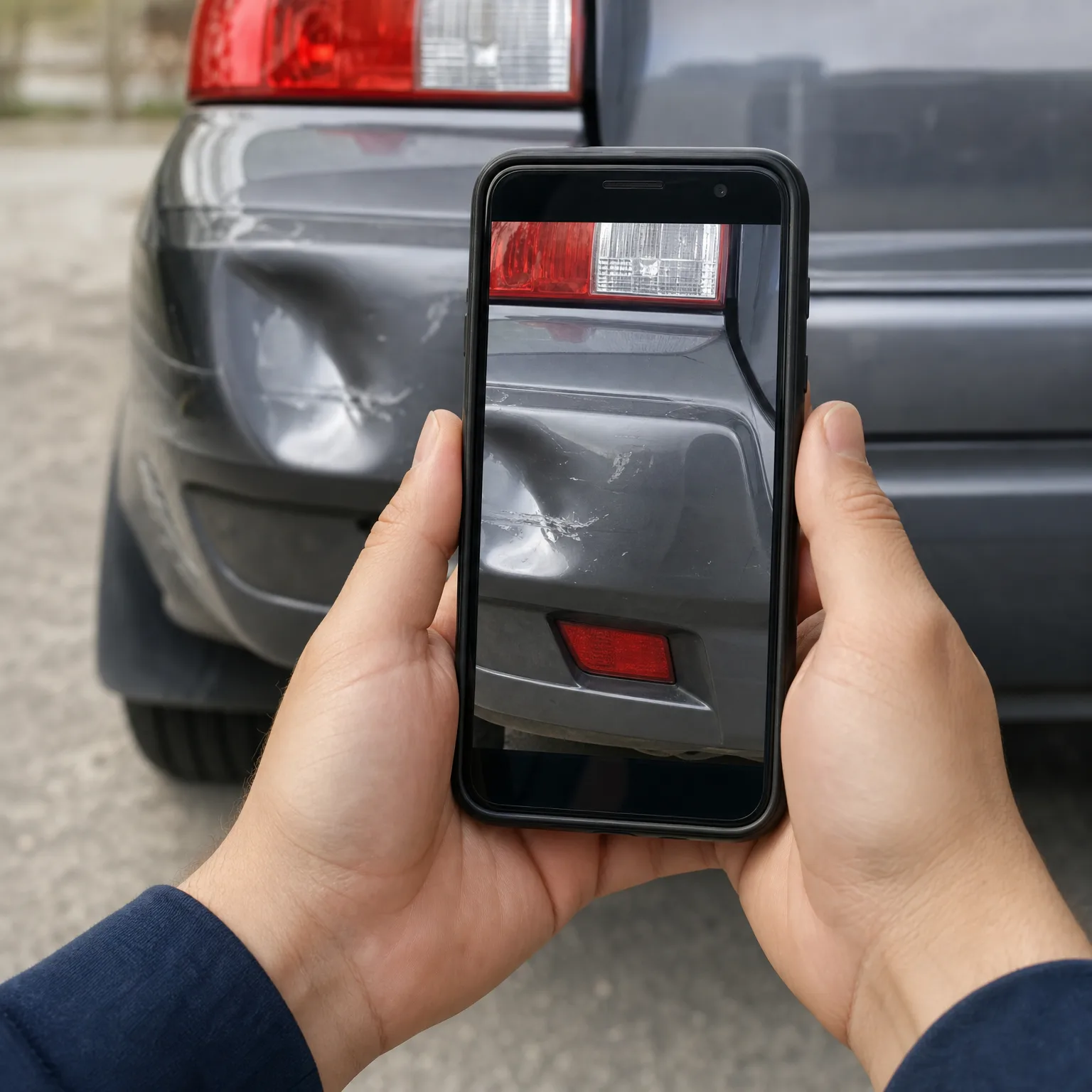
Your son comes home for a long weekend and asks to borrow the car you kept after he moved out, the one that's still sitting in the driveway most of the year. You say yes, he takes it to meet friends across town, and another driver rear-ends him at a light. He wasn't at fault, but it still means a claim, a police report, and your insurance company getting involved.
Because you gave him permission to drive, your policy responds the way it would if you'd been behind the wheel yourself. The other driver's insurance ends up paying for the damage since they caused the accident, but if it had gone the other way, your coverage would have been the one paying out, and a claim like that could follow your policy at renewal. You didn't need to add him as a listed driver for that one weekend, but if he's back often enough that it stops looking occasional, that's a different conversation.
The short version
Permissive use means your insurance generally covers someone driving your car with your consent, even if they're not listed on your policy. It works for occasional, casual borrowing, not regular use. If your adult child drives your car often, call your insurer and ask whether they need to be added.
Does permissive use still apply if my adult child visits and drives a lot?
Occasional use when they're visiting is exactly what permissive use is meant to cover. The issue comes when 'occasional' starts looking like 'regular,' and insurers draw that line differently depending on the company and sometimes the state.
If your child visits for a weekend a few times a year and borrows the car, you're fine. If they're staying for a month every summer and driving daily, or if they keep a car at your house and use it whenever they're in town, call your insurer and ask directly. Some will still cover it under permissive use, others will want that child listed as a driver on the policy, especially if there's a dedicated car. It costs nothing to ask, and it protects you if a claim ever gets questioned.
Now that you know how permissive use works, compare quotes to make sure your policy still fits an emptier house.

Does permissive use cover my child's friend if they borrow the car too?
Usually yes, as long as your child had your permission to lend it out in the first place, which is called second permissive use. Not every insurer treats this the same way, and some policies limit how far permission can be passed along. If your child regularly lets friends drive your car, ask your insurer directly rather than assuming it's covered, since this is one of the more inconsistent areas between companies.
What happens if someone I didn't give permission to drives my car?
That's not permissive use, and coverage gets much less certain. If someone takes your car without asking, including a family member, your insurer may treat it differently than an accident that happens with your consent, sometimes denying the claim outright. This is part of why it matters to actually talk to your kids about when borrowing the car is fine and when it isn't, rather than leaving it assumed.
Should I remove my adult child from my policy if they moved out and have their own car?
Yes, if they have their own insurance now, there's usually no reason to keep them listed on yours. Keeping them on as a named driver when they no longer live with you or drive your cars regularly can keep your premium higher than it needs to be. The exception is if they still drive your car somewhat regularly, like borrowing it on visits home, in which case ask your insurer whether permissive use is enough or whether they should stay listed.

What matters isn't whether permissive use exists, it's whether your child's visits still count as occasional.