When Kids Should Get Their Own Policy
Your child needs their own policy once they have their own car, their own address, or both, whichever comes first.
The split follows the car and the address, not the age
Insurers price a policy around who drives, where the car lives, and who owns it. As long as your child's car is garaged at your address and you're still listed as an owner or primary policyholder, keeping them on your policy usually makes sense. The moment either of those things changes, the logic that holds your policy together stops applying to them.
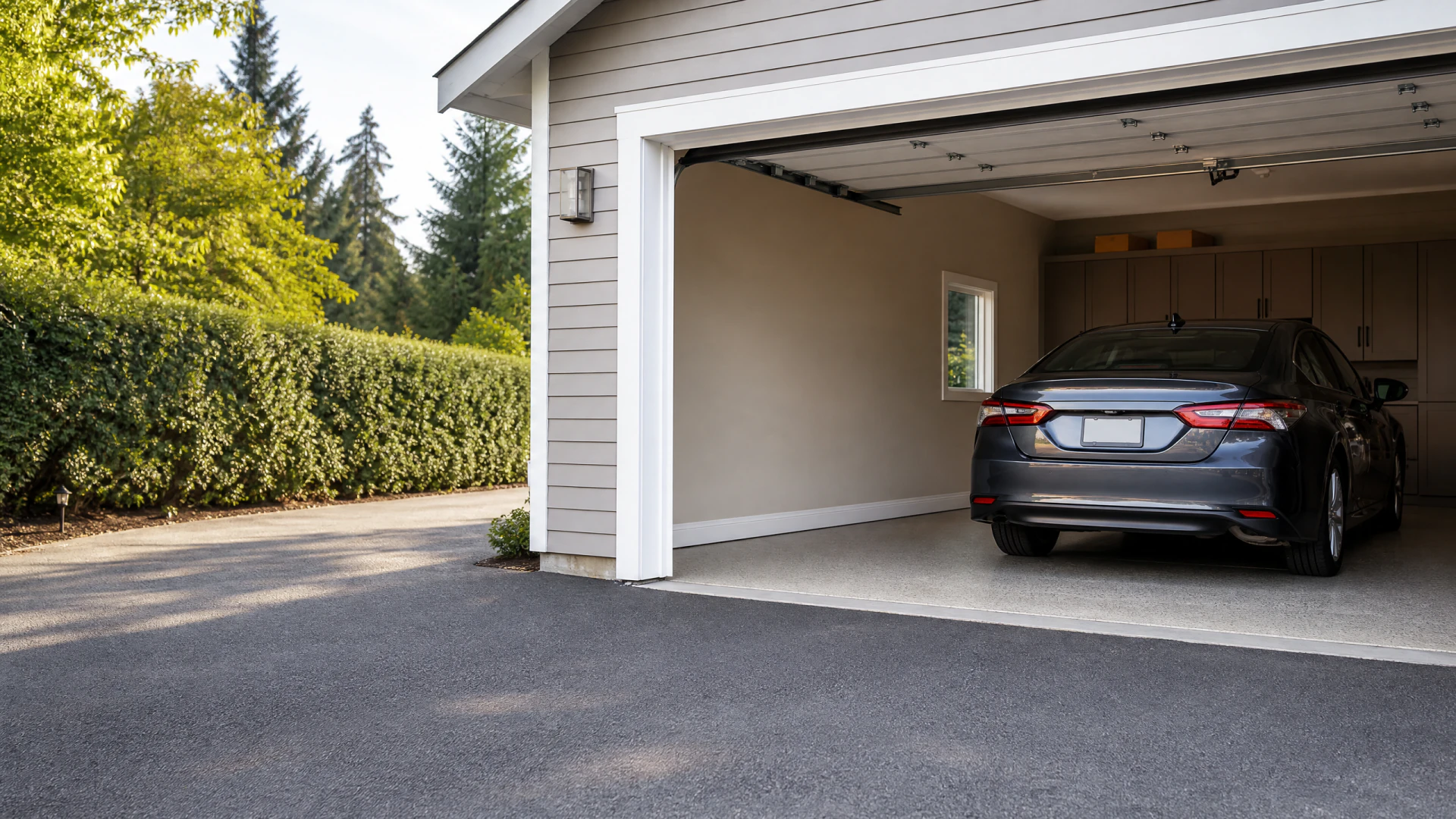
A car that moves to a new address is the clearest trigger. If your child relocates for work or on their own and takes a car with them, that car is now garaged somewhere you don't live, which most insurers won't allow to stay on your policy indefinitely. The same applies if they buy a car in their own name. Ownership and address are what insurers check, not whether someone still feels like part of your household.
Money is a separate question from logistics. A child can be financially independent and still belong on your policy if they're between addresses, driving your car, or you're both comfortable with the arrangement. None of that is against any rule. What matters is whose name is on the title and where the car actually sits most nights.
The exception is when your child keeps a car at your house but lives elsewhere most of the year, which is common with college or seasonal work. Many insurers have a specific allowance for that situation, so it's worth asking directly rather than assuming the general rule applies. If they're back for months at a time with their own car, check with your insurer before deciding.
What happens to coverage during the transition month?
There's rarely a gap if you handle it in order. Get your child a quote for their own policy before you remove them from yours, confirm the start date, then cancel or adjust your policy the same day their new one takes effect. Most insurers can coordinate this without a lapse.
The risk is removing your child first and sorting out their policy after. If they drive your car or any car in that window, they may not be covered, and a lapse in coverage can also make their new policy more expensive to start. Line up the new policy first, confirm it's active, and only then make changes to yours.

Whether you move your child to their own policy now
If you do
Your premium adjusts to reflect your actual household, often dropping once the extra driver and car are gone. Your child starts building their own insurance history, which affects their rates later. They lose your multi-car or family discount, so their standalone cost may be higher than their share was on yours.
If you don't
You keep paying for a driver who may no longer live with you or drive your car, often without noticing. If they're in an accident while living elsewhere, your insurer may dispute the claim since the car isn't garaged where your policy says it is. You also delay them building their own coverage history.
Once you know which cars and drivers belong on your policy, compare quotes to see what the accurate version costs.

What to sort out before you change anything
- Check the car's address If your child's car is now garaged somewhere else, it generally can't stay on your policy. Confirm where each car actually sleeps most nights before deciding anything.
- Check whose name is on the title A car your child owns outright usually needs its own policy, even if they still visit often. Look at the registration, not just where they're currently living.
- Ask about visiting driver rules Most insurers let an adult child drive your car occasionally without being listed as a regular driver. Ask your insurer what counts as occasional before assuming visits are a problem.
- Time the switch carefully Get your child's new policy active before removing them from yours. A gap in coverage, even a short one, can raise the cost of their first policy.
- Recheck your discount after Dropping a driver or car can change which discounts you still qualify for, not just lower your base cost. Ask your insurer to show the new breakdown, not just the new total.

Can my child stay on my insurance if they move out but don't buy a car?
Often yes, if they don't own or regularly drive a car at their new address. Insurance follows cars and driving patterns, not living arrangements by themselves. If they'll occasionally drive your car when visiting, mention that to your insurer so it's covered. If they plan to buy or lease a car soon, ask now what the insurer will require, since the answer changes the moment a car enters the picture. Check your specific insurer's rule, since some set a limit on how long an out-of-state driver can stay listed.
Will removing my child from my policy actually lower my premium?
Usually, but not always by much, and it depends on what else changes. If removing them also means dropping a car, the savings are clearer. If the car stays and only the driver changes, the drop can be smaller than expected because the car itself still factors into your rate. Ask your insurer for a side by side quote, with and without your child listed, before you decide. That comparison tells you more than guessing based on what other families have seen.
Do young driver discounts end once my child gets their own policy?
No, those discounts typically apply while they're still on your policy, not after they leave it. Staying on your policy longer, if the car and address still qualify, often keeps their costs lower during the years their age alone makes them expensive to insure. Once they're independent and get their own policy, a different set of discounts and pricing factors applies, usually tied to their own driving record instead of yours. Ask your insurer which discounts transfer and which don't before they make the switch.