Can I Change the Car on My Policy
Yes, you can change the car on your policy whenever you need to, and it usually takes one call or a few minutes online.
Your policy follows the car, so swapping one updates the whole picture
A car insurance policy is really a set of coverages tied to specific vehicles and the drivers who use them. When one of those vehicles changes, whether you're selling an extra car, replacing an old one, or just taking one off because it barely gets driven, the insurer needs to know so the policy reflects what's actually being covered. That's why changing a car is a normal update, not a special request.
The rate changes because every car carries its own risk profile. A vehicle's age, value, safety record, and repair costs all factor into the premium. Removing a car your family rarely drives, or one that's sat unused since the kids moved out, often lowers the bill because you're insuring less exposure. Adding or swapping in a different car resets that calculation for the new vehicle.
Who's still listed as a driver matters just as much as which cars are on the policy. If a car is being removed, it's worth checking whether a driver tied mainly to that car still needs to stay listed, or whether the change naturally simplifies things further. These two decisions, which cars and which drivers, usually happen together even though they're separate questions.
What varies is how the change is processed and whether it's instant or takes effect on a set date. Some insurers update coverage immediately, others apply it at the next renewal or a specific start date you choose. Check with your insurer on timing, because driving a car that isn't yet properly listed can create a gap you don't want.

What actually happens when you swap a car
- Your premium recalculates The new or remaining car's value, age, and risk level replace the old numbers. This is often where your bill goes up or down the most.
- Coverage transfers, not vanishes Liability and other coverages carry over to the new vehicle instead of starting from scratch. Confirm the same coverage levels still make sense for the new car.
- Drivers may need a second look If the car being removed was mainly driven by one person, check whether that person still needs to be listed at all.
- Timing can matter Some changes apply instantly, others at a set date. Ask your insurer when the new coverage actually starts so there's no gap.
- Have your VIN ready Have the new car's VIN, purchase date, and any lienholder info ready. This speeds up the update and avoids follow-up calls.
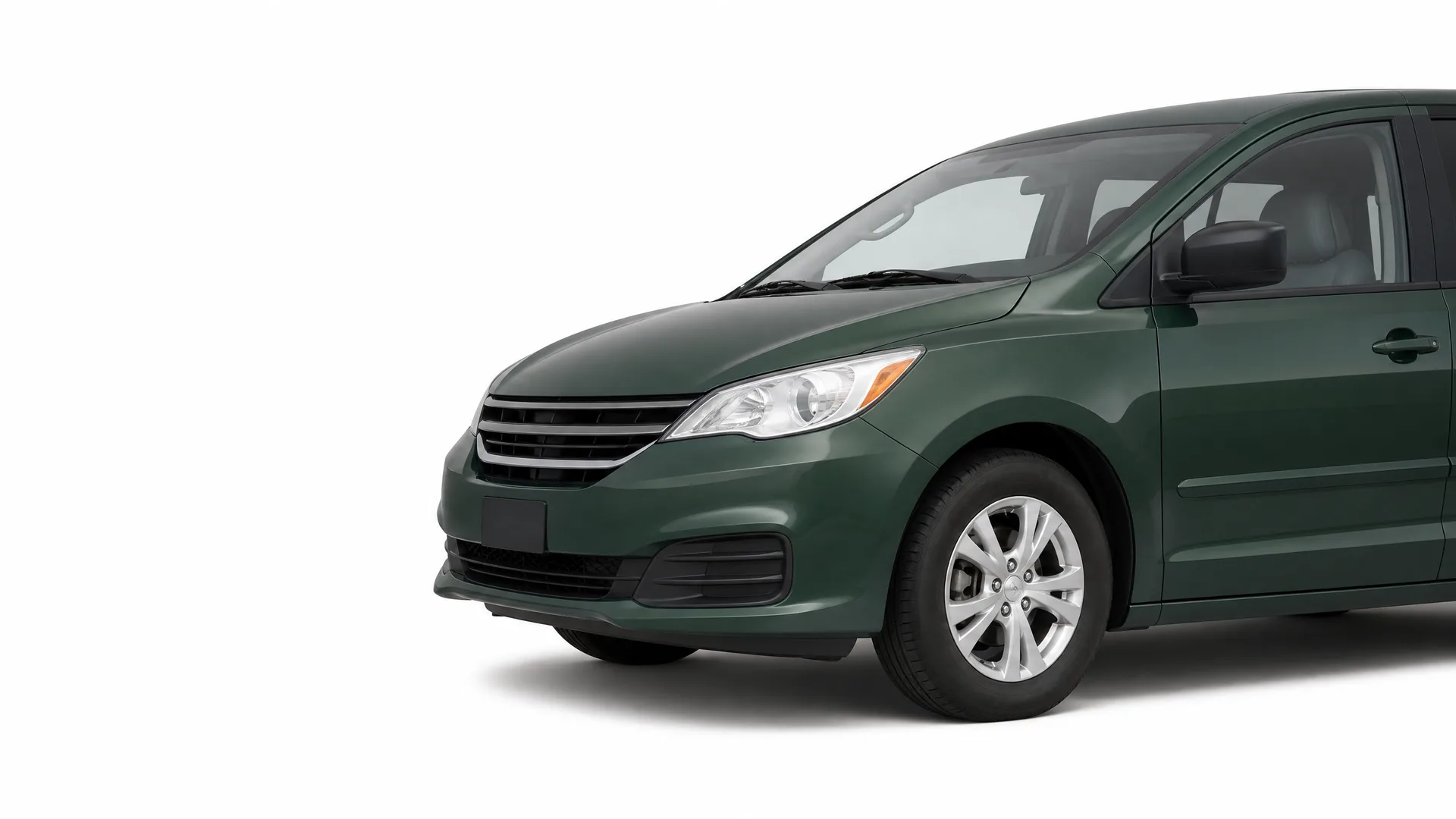
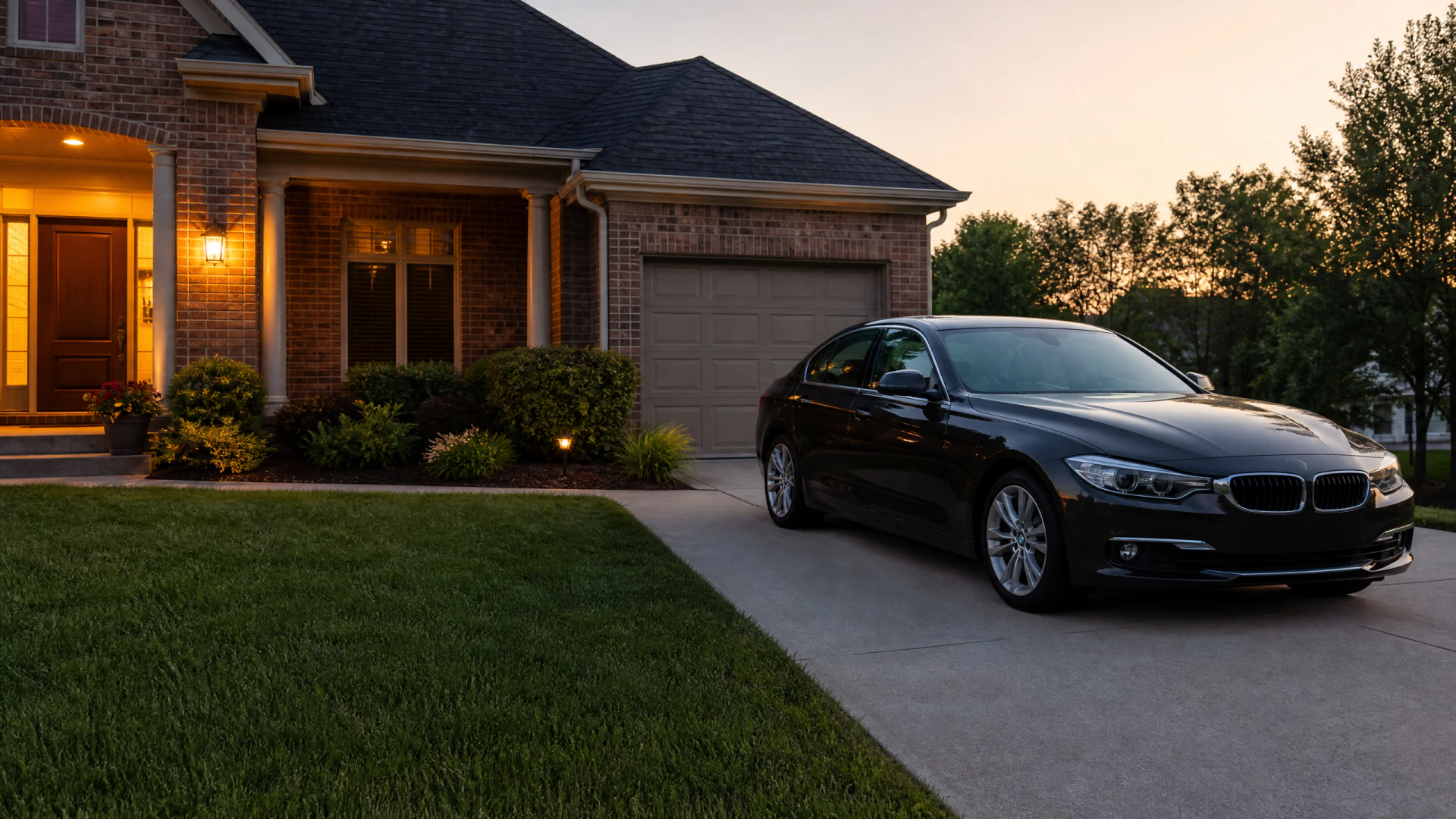
The car on your policy should match what's in your driveway now, not the one that used to be there.
Once you know which car and which drivers belong on your policy, compare quotes to confirm you're not overpaying.
Will changing the car affect my rate right away?
Usually yes, but the timing depends on your insurer. Many apply the new rate as soon as the change is processed, since the premium is tied directly to the specific vehicle on the policy. Others wait until your next billing cycle or renewal date to adjust the amount you're charged, even if the coverage itself starts immediately.
The safest approach is to ask directly when you make the change. Find out whether the new rate applies that day or later, and get a written confirmation of both the effective date of coverage and the effective date of any price change. That way you're not caught off guard by a bill that doesn't match what you expected, in either direction.

Do I need to remove my adult child as a driver when they move out?
Not automatically, and it depends on whether they still drive your car regularly. If they've moved out, gotten their own car, and no longer drive yours, most insurers let you remove them. If they still borrow your car during visits, it may make more sense to keep them listed as an occasional driver. Check your insurer's rules on what counts as still living at home versus moved out, since that distinction affects whether removing them is accurate and whether a future claim could be questioned.
Should my adult child get their own policy once they move out?
Generally yes, once they have their own car or drive regularly somewhere other than your household. Staying on your policy only makes sense if they still live under your roof or drive your vehicles often. Once they have independent transportation, their own policy usually fits their situation better. Check whether your insurer requires proof of a new policy before removing them, since some do.
Will my rate drop if I remove an extra car we don't use?
Likely yes, since removing a car reduces the overall risk the policy covers, and premiums are calculated per vehicle. How much it drops depends on that car's value, age, and how it was rated compared to your other vehicles. If the car was already the cheapest one to insure, the drop may be smaller than expected, so it's worth asking for a breakdown before and after.