Can You Insure Yourself on Someone Elses Car for a Day
Yes, you can get covered to drive someone else's car for a day, usually through the owner's own policy rather than a new one of your own.
Why the owner's policy usually covers you, not a new one you buy
Car insurance is built to follow the vehicle first, not the driver. When an adult child borrows a parent's car, or a visiting child drives while home, it's almost always the car's policy that responds if something happens, as long as the person driving has permission. That's why for a single day, buying a separate policy is rarely the right tool, because the one already attached to the car is doing the work.
Most insurers extend coverage to anyone who drives with the owner's consent, occasionally or by accident, without needing to add them by name. This is sometimes called permissive use, and it's the reason a quick trip or a weekend visit doesn't usually require any paperwork at all. The exception is when driving becomes regular rather than occasional, which is a different situation and usually means the driver should be added to the policy.
There are cases where a separate day of coverage makes more sense, like renting a car, borrowing from a friend whose policy excludes outside drivers, or driving a car the owner doesn't want tied to their own record. In those situations, a short-term policy built for a single trip or a single day is the right fit, and it exists specifically for this gap.
What varies is how each insurer defines permission, how long occasional use can last before it counts as regular, and whether short-term coverage is even sold in your state. Check the owner's policy wording and your state's rules before assuming either path applies.
The short version
For one day, you're usually already covered under the car owner's policy, as long as they've given you permission to drive it. A separate short-term policy only matters if the owner's policy excludes you or doesn't apply. Before you drive, confirm with the owner what their policy actually covers.
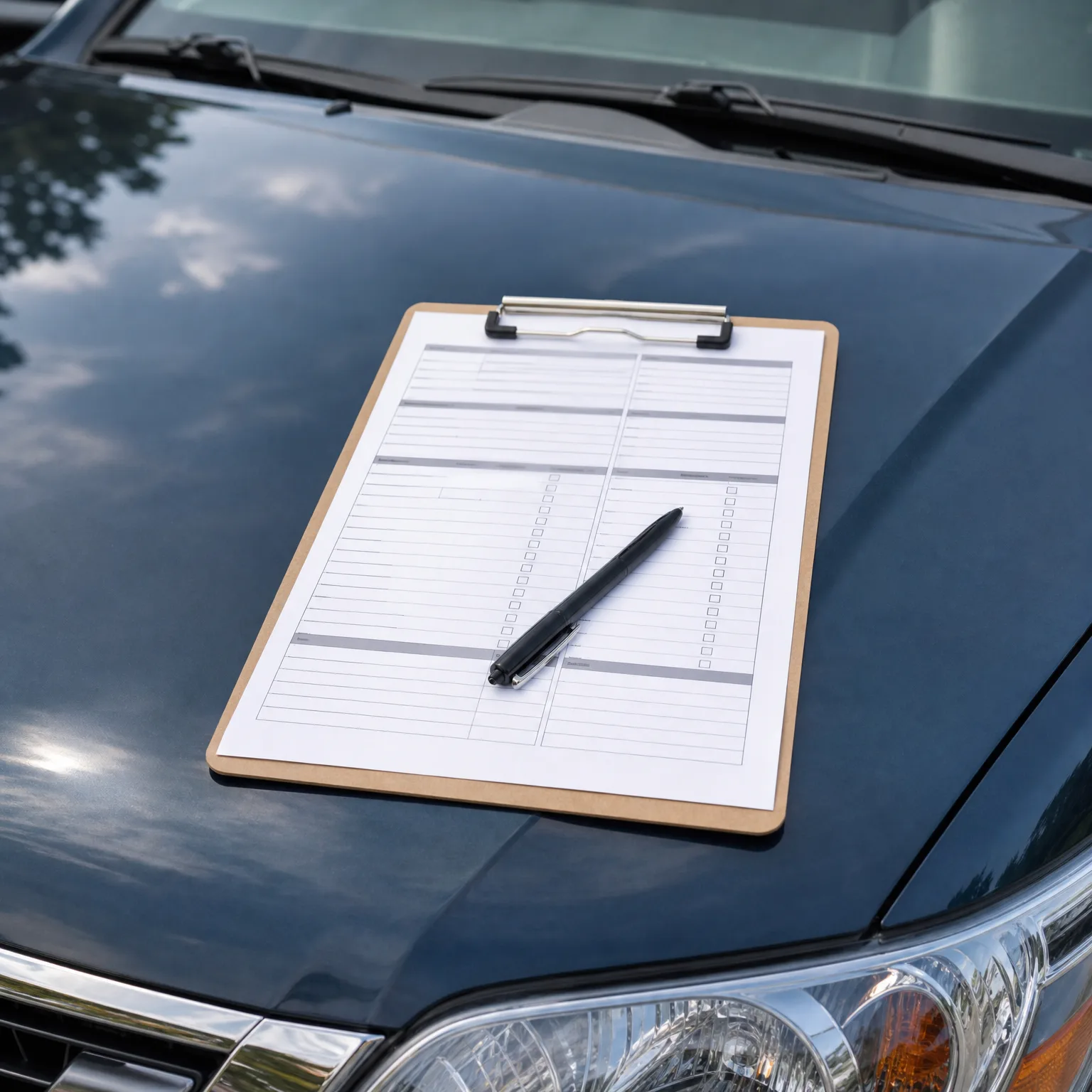
What to check before you get behind the wheel
- Who owns the policy The owner's insurance is the first line of coverage for their own car. Ask them directly whether their policy covers other drivers with permission.
- How often you'll drive it A single day is treated differently than a regular arrangement. If it becomes routine, the driver usually needs to be added to the policy instead.
- What the policy excludes Some policies list excluded drivers or limit coverage to listed drivers only. Read the declarations page or ask the insurer directly before assuming you're covered.
- Short-term options Short-term or single-day policies exist for situations where the owner's coverage won't apply. Ask an insurer or agent whether this is sold in your state.
- What a claim looks like If a claim happens, the owner's insurer investigates who was driving and why. Keep it simple by confirming permission and coverage before you start the engine, not after.
Once you know whose policy covers the day, compare quotes to see what adding a driver or short-term coverage would cost.

Does my own car insurance cover me driving someone else's car?
Often yes, through something called extended liability coverage, which can follow you to other cars you drive occasionally with permission. This isn't guaranteed and depends on your policy's wording and your state. Check your own declarations page for language about non-owned vehicles. If your policy doesn't include it, the owner's policy becomes the main source of coverage instead.
What happens if I get in an accident driving a borrowed car?
The owner's insurance typically responds first, since coverage generally follows the vehicle. Your own policy may step in afterward if damages exceed the owner's limits, depending on your coverage. What changes the answer is whether you had permission to drive and whether the owner's policy excludes you by name. Confirm this before driving, not after.
Do I need to add my adult child to my policy if they visit and drive occasionally?
Not for occasional visits, since most policies cover permitted drivers without listing them. It becomes necessary once the visits turn into regular, repeated use of the car. Insurers differ on how they define regular use, so ask directly if your child visits often. The safest move is checking before a pattern forms, since insurers can treat undisclosed regular drivers as a bigger issue later.
The policy follows the car, not the person, so permission matters more than paperwork for a single day.