How Long Can a Car Sit Before the Battery Dies
A parked car's battery starts losing its fight against time faster than most people expect, especially if the battery's already getting old.
A battery dies from slow drain, not from sitting still itself
A car battery doesn't just hold a charge and wait patiently. It constantly feeds small systems like the clock, the alarm, the computer modules that monitor the engine, and any aftermarket equipment wired into the car. When the engine isn't running, nothing is replacing that energy, so the battery slowly bleeds down until it no longer has enough left to turn the starter.
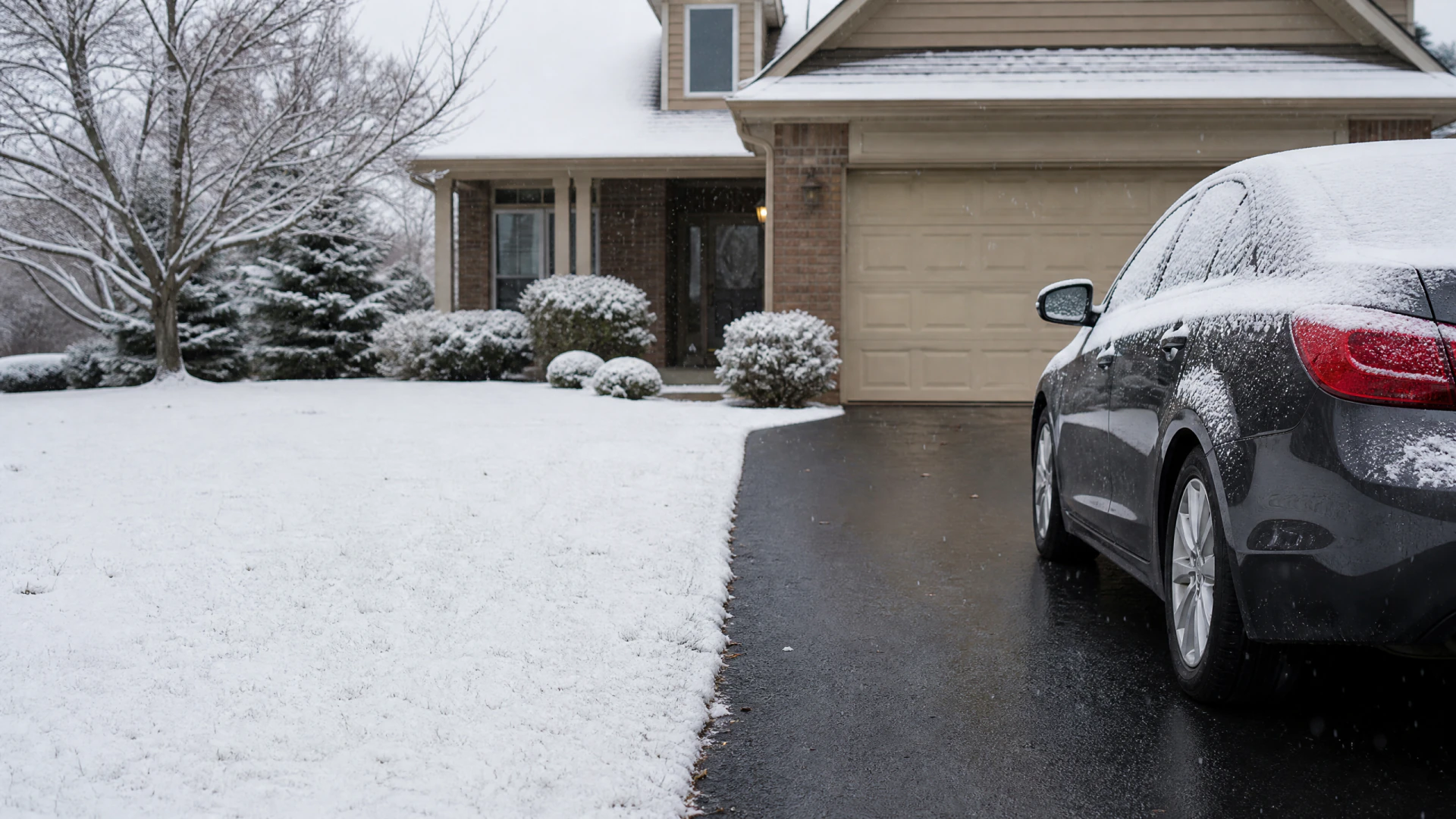
How fast that happens depends on the battery's age and condition more than almost anything else. An old battery that's already losing capacity will struggle much sooner than one that's newer and healthy. Temperature matters too, since cold weather makes it harder for a battery to deliver power even if it hasn't lost much charge, and heat accelerates the chemical wear that shortens a battery's life in the first place.
This is also where the extra car in the driveway becomes relevant. A vehicle one of the kids used to drive, now sitting untouched for long stretches, is exactly the situation where this slow drain adds up. If nobody starts it regularly, the battery is working against itself the entire time.
The fix isn't complicated. Starting the car and letting it run for a while, or better yet driving it, recharges the battery faster than idling alone. If a car is going to sit for a long stretch, a trickle charger or battery maintainer keeps it topped off without anyone needing to remember to start it.
The car nobody drives anymore
Say one of the cars in the driveway used to belong to a child who's since moved out. It sits for long stretches now, only driven when someone needs a second vehicle or when the kid visits and borrows it. One Saturday, the key turns and nothing happens, just a weak clicking sound.
The battery wasn't new to begin with, and sitting idle through a cold snap was enough to finish it off. A jump start got it running again, but the real fix was deciding what to do with a car that doesn't get used enough to justify leaving it untended. The owner picked up a small battery maintainer that plugs into the wall, and now the car starts every time, no matter how long it's been since anyone drove it.

Once you've decided the car's fate, compare quotes to see what it actually costs to keep it insured.
Does leaving a car unused affect its insurance, not just its battery?
It can, depending on how the policy is set up and what coverage is on the vehicle. A car that sits for long stretches is still a car that needs to be insured if it's registered and sitting somewhere accessible, even if nobody is driving it regularly.
Some insurers offer reduced coverage for vehicles that aren't being driven, often keeping protection against theft, fire, or weather damage while dropping the parts of the policy tied to driving. Whether this is available, and what it's called, varies by insurer and sometimes by state, so it's worth asking directly rather than assuming the current policy already accounts for a car that mostly just sits.

What actually determines how long the battery lasts while parked
- Battery age and health An older battery loses the ability to hold charge even when the car isn't being driven. If it's getting on in years, expect it to drain faster and plan to check it more often.
- Temperature swings Cold weather makes it harder for a battery to deliver power, and heat wears down its internal chemistry over time. A car parked outside through seasonal extremes needs more attention than one in a garage.
- Devices drawing power at rest Alarms, trackers, and some factory electronics keep drawing a small amount of power even when the car is off. A car with aftermarket add-ons will drain faster than a stock one.
- How you start it matters A short start that barely runs the engine doesn't recharge the battery much. If the car is only started occasionally, let it run for a while or actually drive it instead of just starting it.
- Using a maintainer for long gaps A battery maintainer plugged in during extended idle periods keeps the charge level steady without anyone needing to remember. This is the most reliable fix for a car that sits unused for long stretches.
Will a car battery drain faster if the car still has a tracking device installed?
Yes, any aftermarket device wired into the car draws power even when the engine is off, and that adds to the normal drain from the car's own systems. If a tracker, alarm, or dash cam was installed for a teen driver and never removed, it's worth checking whether it's still active. Removing unused devices or having them properly disconnected can meaningfully slow down how fast the battery loses charge while the car sits.
Is it bad to jump start a car that's been sitting for a while?
It's not harmful by itself, but a jump start only gets the engine running, it doesn't fully recharge the battery. After a jump start, the car needs a longer drive or run time to actually restore the charge, otherwise it may struggle to start again soon after. If a battery needs jump starting more than once in a short period, that's usually a sign it's weak and may need replacing rather than just recharging.
Should I disconnect the battery if the car won't be driven for a while?
It depends on how long the car will sit and how convenient reconnecting it will be. Disconnecting stops all drain completely, which works well for a car parked for an extended stretch, but it can reset clocks and some electronics, and isn't practical for a car that might get used on short notice. For a car that sits unused but still needs to be ready to drive, a battery maintainer is usually the easier option.