Does It Make Sense to Own Three Cars
It makes sense only if all three cars are actually driven enough to justify insuring, registering, and maintaining them.
It comes down to whether every car is earning its keep
A third car only makes financial sense when it's doing something the other two can't. That might be a dedicated bad-weather vehicle, a car for an adult child who visits often enough to need one on hand, or a vehicle you're keeping for a specific purpose like towing or a long commute. If a car just sits in the driveway most of the year, it's costing you money in insurance, depreciation, and upkeep without giving you much back.
Insurance treats each car as its own risk, so you pay for coverage on all three regardless of how often any one of them moves. Some insurers offer a reduction for a vehicle that's driven rarely or kept for occasional use, but this varies by company and by state, so you'll want to ask directly whether such an option exists and what counts as low enough mileage to qualify.
The math also depends on who's driving which car. If a car sits unused most weeks but gets driven occasionally by a visiting adult child, you still need to decide whether that person is a regular driver on your policy or something else entirely, since that status affects both your rate and your coverage if something happens while they're behind the wheel.
The cases where three cars clearly make sense are the ones where each vehicle has a distinct job. Two daily drivers plus a truck used for hauling, or a commuter car plus a weather backup, are different from three cars doing the same job redundantly. If you can't name what each car is for, that's usually the sign it's time to simplify.
What decides if three cars is worth it
- How often each car moves A car driven only a few times a month is costing you full insurance and upkeep for part-time use. Check its mileage over the last year before deciding to keep it.
- Whether it has a real purpose Each car should be doing something the others can't, like towing, bad weather, or a long commute. If two cars serve the same purpose, one is probably unnecessary.
- Who else drives it If an adult child drives the third car during visits, you need to know how your insurer treats occasional visiting drivers. This affects both your premium and your coverage.
- Low-use discount options Some insurers reduce cost for a vehicle that's rarely driven or stored for part of the year. Ask directly what qualifies and what documentation they need.
- Cost of selling versus keeping Selling a car saves on insurance and upkeep but loses you a backup vehicle and resale value if you wait longer. Weigh what you'd actually use that money or space for.
Should I keep the extra car just for when my kids visit?
That depends on how often they actually visit and whether a rental or ride-share would cost less than a year of ownership. If your kids come back only a few times a year, keeping a full car insured and registered for that purpose rarely pays for itself compared to renting a car when they arrive or adding them temporarily to your policy for visits.
If visits are frequent, extended, or unpredictable, having a car ready might genuinely save time and hassle, especially in areas without easy rental access. The right call depends on your insurer's rules for occasional drivers and whether they charge extra to add a child temporarily versus keeping them listed year-round. Ask your insurer directly what a short-term add looks like in cost and paperwork before deciding either way.
Once you know which cars earn their keep, compare quotes to see what dropping or keeping the third one costs.

Keep the car or let it go
If you do
You keep flexibility for visits, bad weather, or future need, but you keep paying full insurance, registration, and upkeep on a car that may sit idle most weeks. Check if your insurer offers a lower rate for low mileage before assuming the cost is fixed.
If you don't
You lower your monthly costs and simplify your coverage, but you lose a backup vehicle and will need another plan for when a visiting child or extra driver needs a car. Selling also means losing resale value if you wait too long after deciding.

A family deciding whether to keep the old family car
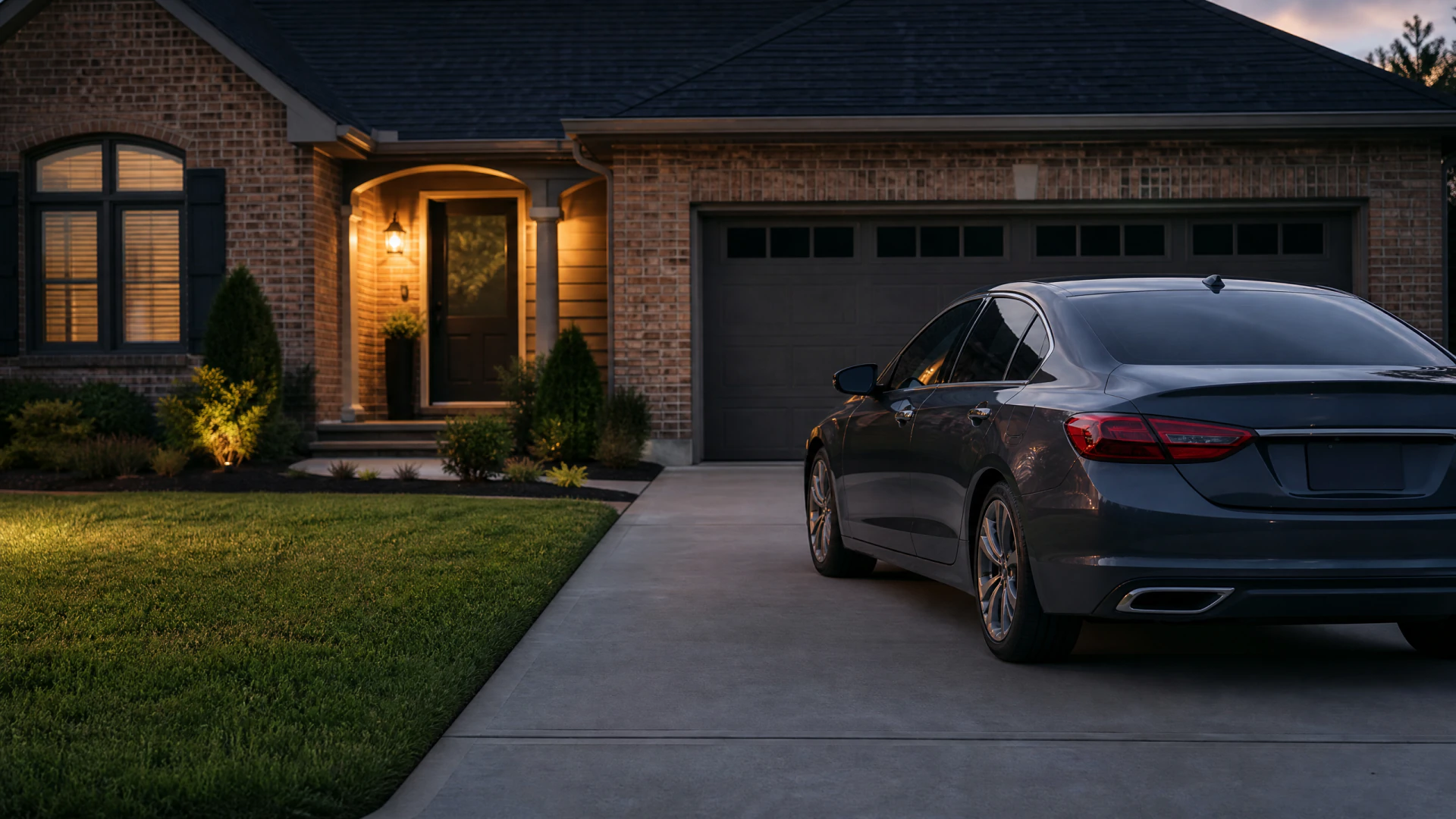
A couple in their mid-fifties had three cars insured. Two were daily drivers for themselves, and the third was an older sedan their daughter used before she moved out. She now visits a few weekends a month and occasionally longer in summer. The car hadn't been driven more than a few hundred miles in the past year outside her visits.
They called their insurer to ask about low-mileage options and learned the car qualified for a reduced rate given how rarely it moved. They decided to keep it, add their daughter temporarily during extended visits instead of year-round, and revisit the decision after a year to see if her visits became more or less frequent. This let them keep the convenience of a backup car without paying full price for a vehicle used only occasionally, and gave them a clear point to reconsider if her visits tapered off.