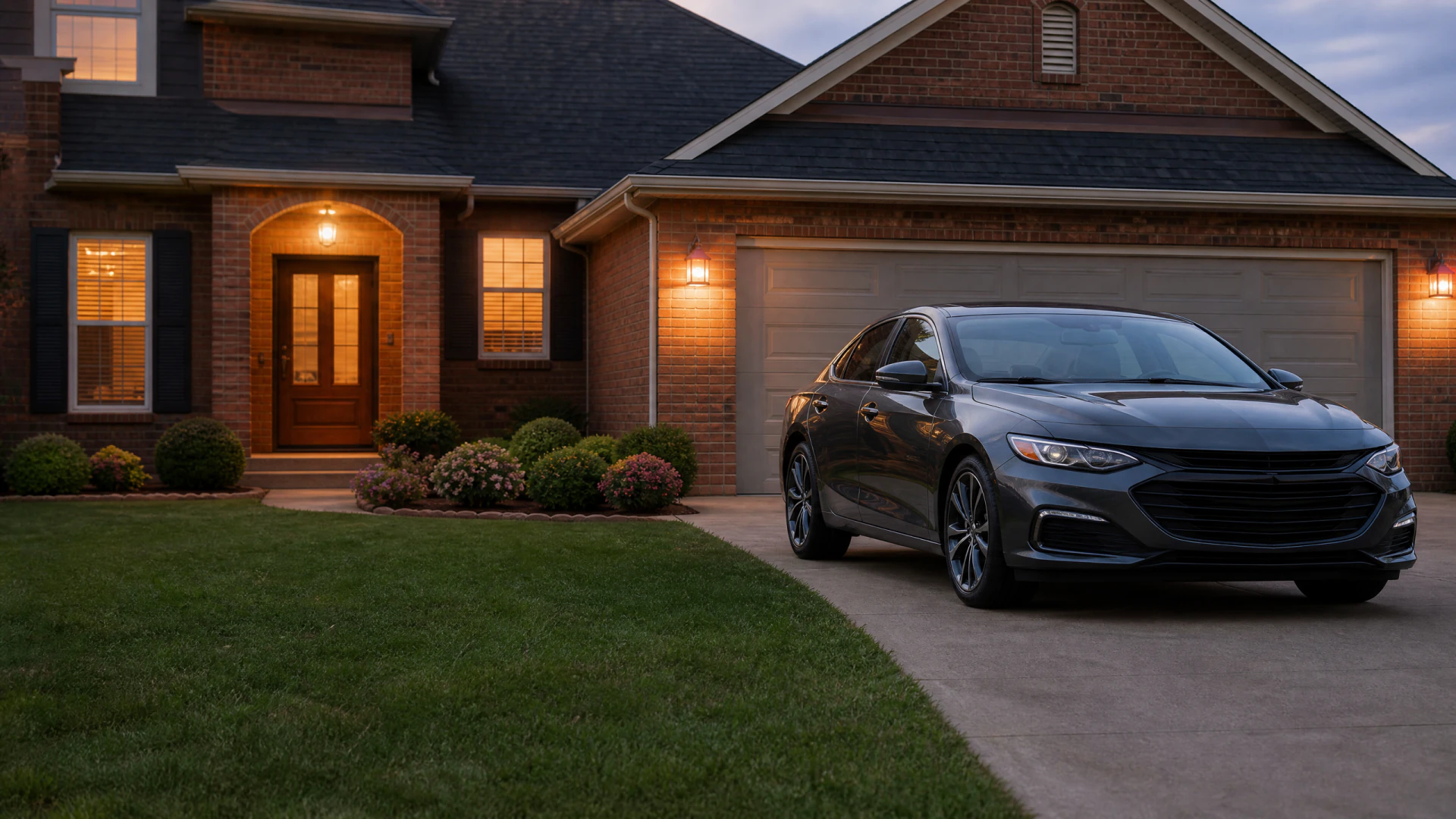
Is It Bad for a Car to Sit Unused
Yes, a car that sits unused can develop real mechanical problems, which matters for deciding whether to keep insuring it or let it go.
Why sitting still causes more damage than driving
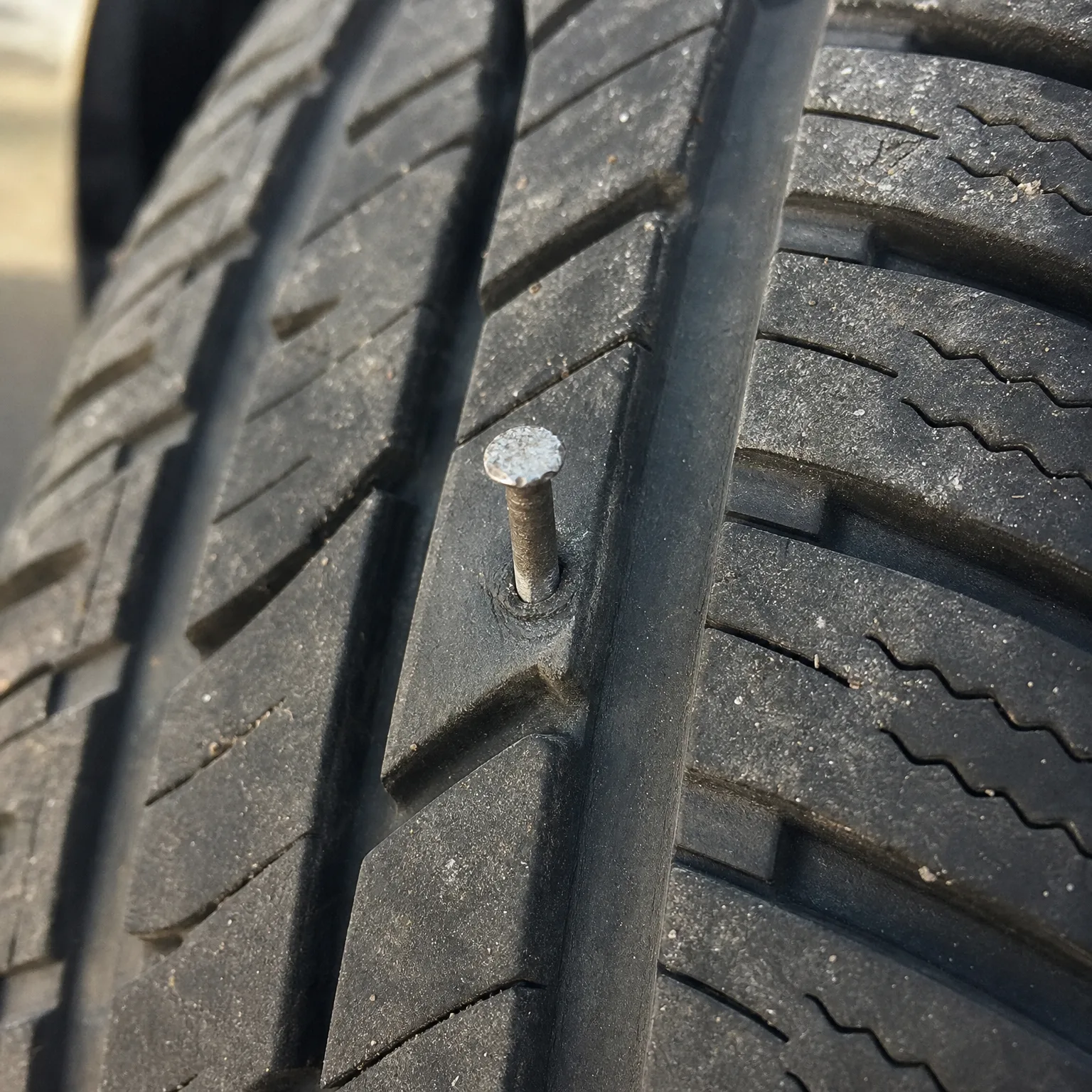
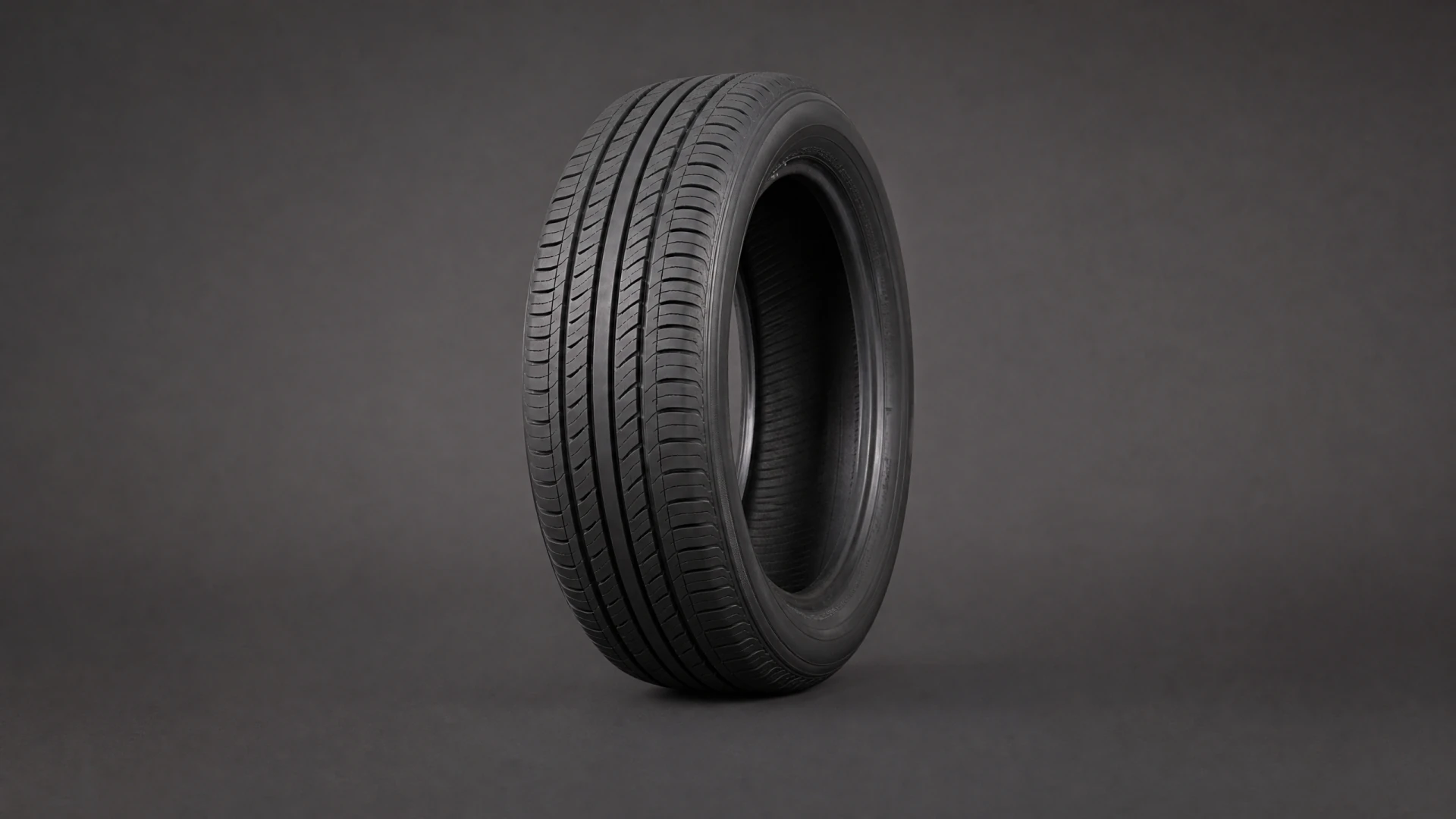
A car is built to be used. The battery needs regular charging cycles or it slowly drains and loses its ability to hold a charge. Tires develop flat spots where they rest on the pavement, especially if the car sits for weeks at a time. Fluids settle, seals dry out without lubrication moving through them, and fuel can degrade if it sits long enough without being run through the engine.
Rodents and insects are another real problem. An unused car in a garage or driveway is an inviting place for mice to nest, and they can chew through wiring in ways that are expensive and sometimes dangerous to fix. The longer the car goes untouched, the more likely something small turns into something that needs a mechanic.
This is why the car being unused matters for your insurance decision, not just your maintenance one. If nobody is driving it, you still have choices about how much coverage it needs. A car that only sits does not need the same protection as one being driven daily, but it usually still needs some form of coverage if it is titled, registered, and parked somewhere accessible.
What counts as too long varies by car, by climate, and by how it is stored. A car in a dry garage in a mild climate tolerates sitting much better than one parked outside through a harsh winter. If you are unsure how your specific car and situation hold up, a mechanic can tell you what to watch for and how often it should be started or driven.
The short version
Yes, a car that sits unused can develop real problems like a dead battery, flat-spotted tires, and wiring damage from rodents. The fix isn't to ignore it, it's to decide whether the car earns its keep or should be sold, and then make sure whatever coverage you keep on it actually matches how it's being used.
Should I drop coverage entirely on a car that just sits there?
Probably not entirely, and here's the reasoning. Most places require some minimum coverage on any car that is titled and registered, even if it never leaves the driveway. Letting registration lapse to avoid any coverage at all can create its own problems, including fees or complications if you ever want to drive or sell the car again.
What you can usually do is scale back what you're paying for. If the car isn't being driven, you likely don't need the same liability protection built for daily use, though you may still want protection against theft, fire, or damage while it sits. Ask directly what options exist for a vehicle that's parked rather than driven, since this is exactly the kind of case where the details depend on your state and your insurer, and it's worth checking before you assume either extreme, full coverage or none, is your only option.
Once you know this car's future, compare quotes for coverage that actually matches how it's being used.

Keep driving it occasionally or let it sit completely still
If you do
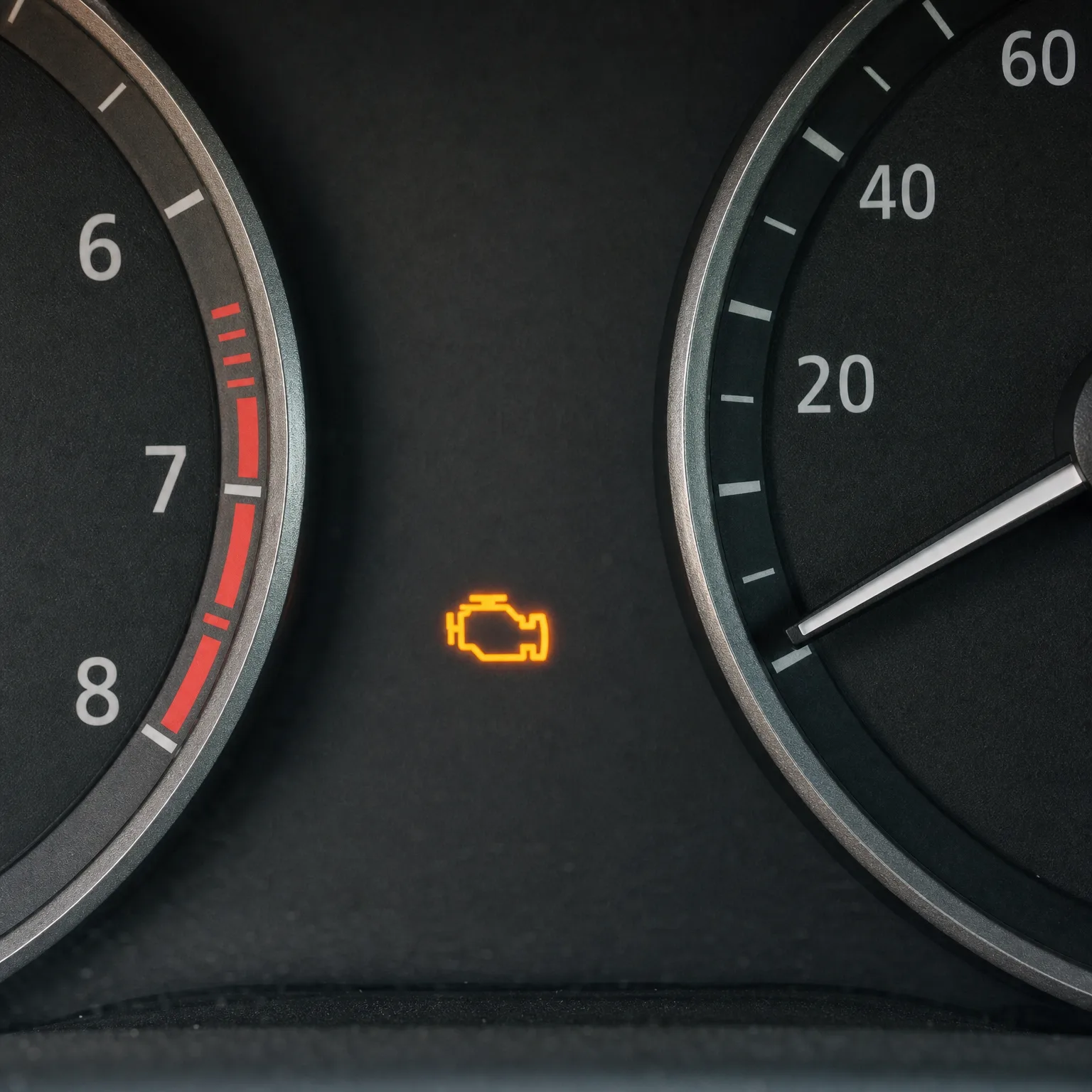
Starting the car and driving it every so often keeps the battery charged, moves fluids through the engine, and prevents tires from flat-spotting. It also gives you a chance to notice problems early, like a check engine light or a strange sound, before they turn into bigger repairs.
If you don't
Letting it sit completely still for weeks or months raises the odds of a dead battery, flat spots on the tires, and rodents getting into the wiring. The car may need a jump, a tow, or real repair work before it's drivable again, even though nothing happened to it on the road.
What to actually do with the unused car
- Decide its future first Before touching the policy, decide if this car is staying long-term, going to the adult child, or getting sold. The right coverage depends entirely on which of these is true.
- Check minimum coverage rules Most places require some coverage on any registered vehicle, even an unused one. Ask what the lowest allowed option is if the car isn't being driven.
- Ask about reduced-use coverage Some policies offer lower rates for cars that are stored or rarely driven. Ask directly rather than assuming your current plan already reflects this.
- Start it every few weeks Driving the car briefly every few weeks prevents battery drain and tire flat spots. This is maintenance, not an insurance issue, but it avoids repair costs that make keeping the car less worthwhile.
- Reconsider if nobody drives it If no one has driven the car in months and no one has plans to, selling it may cost less overall than continuing to insure and maintain it. Weigh the ongoing cost against what the car is actually worth to you.