What Car Insurance Should a 26 Year Old Get
At 26, you need a policy built around your own car and driving record, not whatever your parents picked for you years ago.
Your rate now reflects you, not your age bracket
Insurance pricing is built around risk, and by 26 you've aged out of the group that insurers consider least predictable. That shift alone tends to lower what you pay compared to your teens and early twenties, even before anything else changes. But the flip side is that your own record now matters more than it used to. Tickets, accidents and gaps in coverage show up more clearly on a profile that no longer gets smoothed over by being attached to a parent's long history.
The coverage decision splits into two parts, and they work differently. Liability coverage protects other people if you cause an accident, and every state requires some minimum amount. That minimum is often too low to actually protect your savings, so many people carry more than the state requires. Collision and comprehensive coverage, which pay to fix or replace your own car, are optional once a car is paid off. Whether they're worth it depends entirely on what the car is worth and what you could afford to replace out of pocket.
This is also the age where some people start considering raising their deductible to lower their monthly cost, which can make sense if you have savings to cover the higher amount if something happens. It backfires if you don't actually have that money set aside when a claim comes in.
State rules vary on minimum liability limits and on what else may be required, so check what applies where you live and where you keep the car registered. If you've moved states recently, confirm your policy actually matches the state you're in now, since that's an easy thing to overlook.
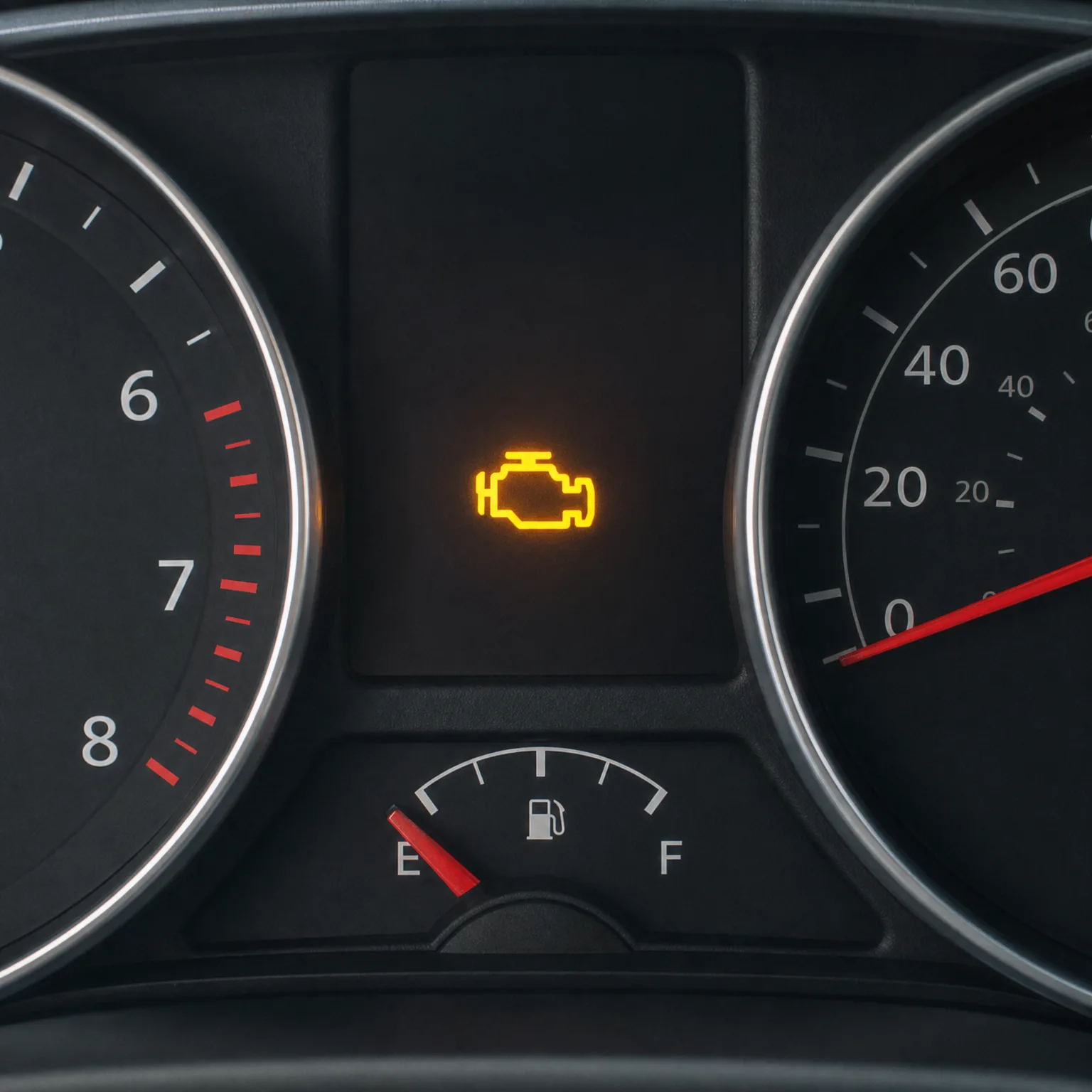
What to actually decide at 26
- Liability above the minimum State minimums are often too low to cover a serious accident. If you have savings, a car, or future wages that could be at risk, carry more than the minimum requires.
- Collision and comprehensive These only make sense if your car is worth enough to justify the cost. If you could replace the car in cash without much trouble, dropping them may save you money.
- Deductible size A higher deductible lowers your monthly payment but raises what you owe after a claim. Only raise it if you actually have that amount saved and accessible.
- Your own policy or a parent's If you're financially independent, your own policy reflects your real rate instead of a shared family rate. Ask what each option actually costs before deciding.
- Discounts tied to your situation Bundling renters or home coverage, paying in full, or having a clean record can lower your rate. Ask directly what you qualify for instead of assuming none apply.
Now that you know what to look for, compare quotes to see what your own coverage actually costs.
Should I stay on my parents' policy or get my own?
It depends mostly on whether you're financially independent and where you live, since some insurers require adult children off a parent's policy once they're no longer at the same address. If you still live with your parents, staying on their policy is often cheaper, because you benefit from their history and any bundled discounts.
If you've moved out, gotten married, or bought your own car, your own policy usually makes more sense and may be required by the insurer. The real way to know is to get a quote for your own policy and compare it to what staying would cost. Sometimes staying is cheaper for a while longer, and sometimes going independent costs less than you'd expect once you qualify for your own discounts.
Moving out and buying a used car at the same time
A 26 year old moves into their own apartment and buys a few year old sedan the same month, having been on a parent's policy for years. They assume the easiest move is just adding the new car to the family policy, but the insurer requires anyone no longer living at the same address to carry a separate policy. They get quotes for a standalone policy and compare it against what adding the car to the parents' plan would have cost.
The standalone policy ends up being manageable once they apply a safe driver discount and bundle it with renters insurance. They choose liability limits above the state minimum because they now have savings worth protecting, and they skip comprehensive coverage since the car's value is modest and they could replace it if needed. Later, with a clean record, they shop again and find a lower rate elsewhere, so they switch without much hassle.
Does my insurance drop automatically once I get older?
No, it doesn't happen automatically. Rates tend to improve as you move past the youngest driver bracket because insurers see fewer claims from this group, but you usually need to ask your insurer to reprice your policy or shop around yourself to actually see the lower rate reflected.
How much liability coverage do I actually need at 26?
Enough to cover what you'd lose in a lawsuit if you caused a serious accident, which for most people is more than the state minimum. Check your state's required minimum, then think about your savings, income and assets before deciding how much higher to go.
Is full coverage worth it on an older car?
Usually not once the car's value drops low enough that the payout wouldn't be worth the ongoing cost. Check your car's current value and compare it to what you're paying for collision and comprehensive combined before deciding to drop them.