Will a Car Last 20 Years
A car can absolutely last 20 years, but the deciding factor is maintenance and insurance choices, not the odometer.
Longevity comes from upkeep, not luck
A car reaching 20 years is mostly a story about maintenance habits. Engines and transmissions are built to run far longer than most people keep a car, so the limiting factor is usually rust, deferred repairs, or accumulated small failures that never got fixed. Regular oil changes, timely belt and fluid replacements, and fixing small problems before they become big ones are what separate a car that dies early from one that keeps running for decades.
Where you live and how you drive matter too. Cars in regions with road salt or extreme heat tend to break down structurally faster, even with good mechanical care, because rust and heat attack things maintenance schedules don't cover. A car driven gently on highways will usually outlast one used for constant short trips and stop and go traffic, since that kind of driving wears out engines and brakes faster.
Insurance plays a quieter role in whether an old car survives. As a car ages, its value drops, and at some point the cost of comprehensive and collision coverage can exceed what the car is worth to replace. Many owners drop those coverages on an older car and keep only what's legally required, which is a reasonable choice once the car's value is low enough that repair costs after an accident wouldn't be worth claiming anyway.
The exception is a car with real sentimental or practical value to you, like one you plan to hand down or keep as a backup. In that case it can make sense to keep fuller coverage even on an older vehicle, since replacing it wouldn't be simple regardless of its market value. Check with your insurer about what coverage options exist for older vehicles, since rules and minimums vary.
When should you drop collision coverage on an aging car?
Drop collision and comprehensive coverage once the car's value gets low enough that a claim payout wouldn't cover much after your deductible. At that point you're paying premiums for protection that wouldn't meaningfully help you if something happened.
A simple way to check is to look up what your car is actually worth right now, then compare that to what you're paying annually for those coverages. If the annual cost is a large share of the car's value, you're essentially insuring something the insurer would barely pay out for anyway. This calculation changes if you rely on the car daily and couldn't easily replace it, since the inconvenience of being without it is worth something too. Ask your insurer to walk through the math with your specific numbers before deciding.

Deciding whether to keep full coverage on an old car
If you do
If you keep collision and comprehensive coverage, you stay protected against accidents or damage regardless of the car's age. But you may be paying premiums that cost more over time than the car itself is worth, especially if the vehicle rarely leaves your neighborhood or sits unused for long stretches.
If you don't
If you drop down to liability only, your payments shrink and you stop overpaying for a car that isn't worth repairing after a serious accident. But you'll cover all repair or replacement costs yourself if something happens, so make sure you could handle that cost comfortably before switching.
Now that you know what your old car's coverage should look like, compare quotes to see what it actually costs.
What actually determines if your car reaches 20 years
- Maintenance consistency Regular oil changes and timely repairs matter more than the brand or model. Keep records and don't skip small fixes, since those are what prevent bigger failures later.
- Climate and road conditions Salt, heat, and rough roads wear down a car faster than mileage alone. If you're in a harsh climate, expect more rust-related issues even with great mechanical care.
- Coverage versus car value At some point insuring an old car costs more than it's worth to repair. Check your car's current value and compare it to your premium before renewing.
- Driving habits over time Short trips and stop-and-go driving age a car faster than highway miles. If you want longevity, gentler and more consistent driving patterns help significantly.
- Your real attachment to the car A car with sentimental or practical value may be worth insuring more fully even past its market worth. Decide this deliberately rather than by default.
A car crossing into its twentieth year
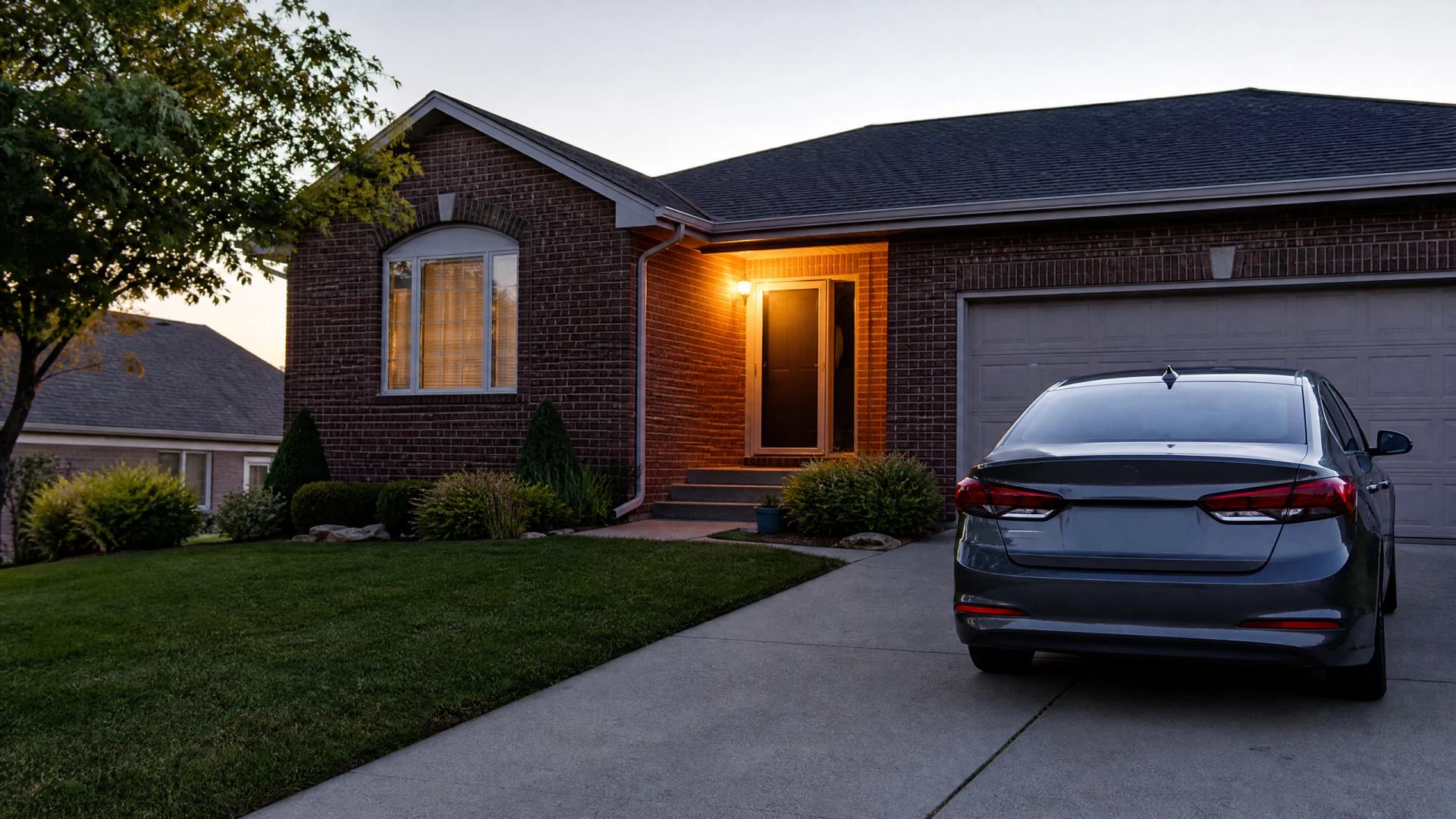
A reader had a sedan they bought new that was now entering its twentieth year of use. It still ran fine and passed inspection, but they weren't sure whether to keep paying for full coverage or scale back. They checked the car's current market value and found it was worth very little, while their collision and comprehensive premiums were still a meaningful yearly cost.
They called their insurer to ask what dropping those coverages would mean and confirmed they'd still have liability coverage required by law. Since they had savings set aside and didn't rely on the car for daily commuting anymore, they decided the risk of paying out of pocket for repairs was manageable. They switched to liability only, lowered their payment, and kept driving the car without worrying about insuring it as if it were still worth what they paid for it originally.