
Am I Liable for My Adult Childs Car Accident
You're usually not liable for your adult child's accident unless you own the car or insure it under your own policy.
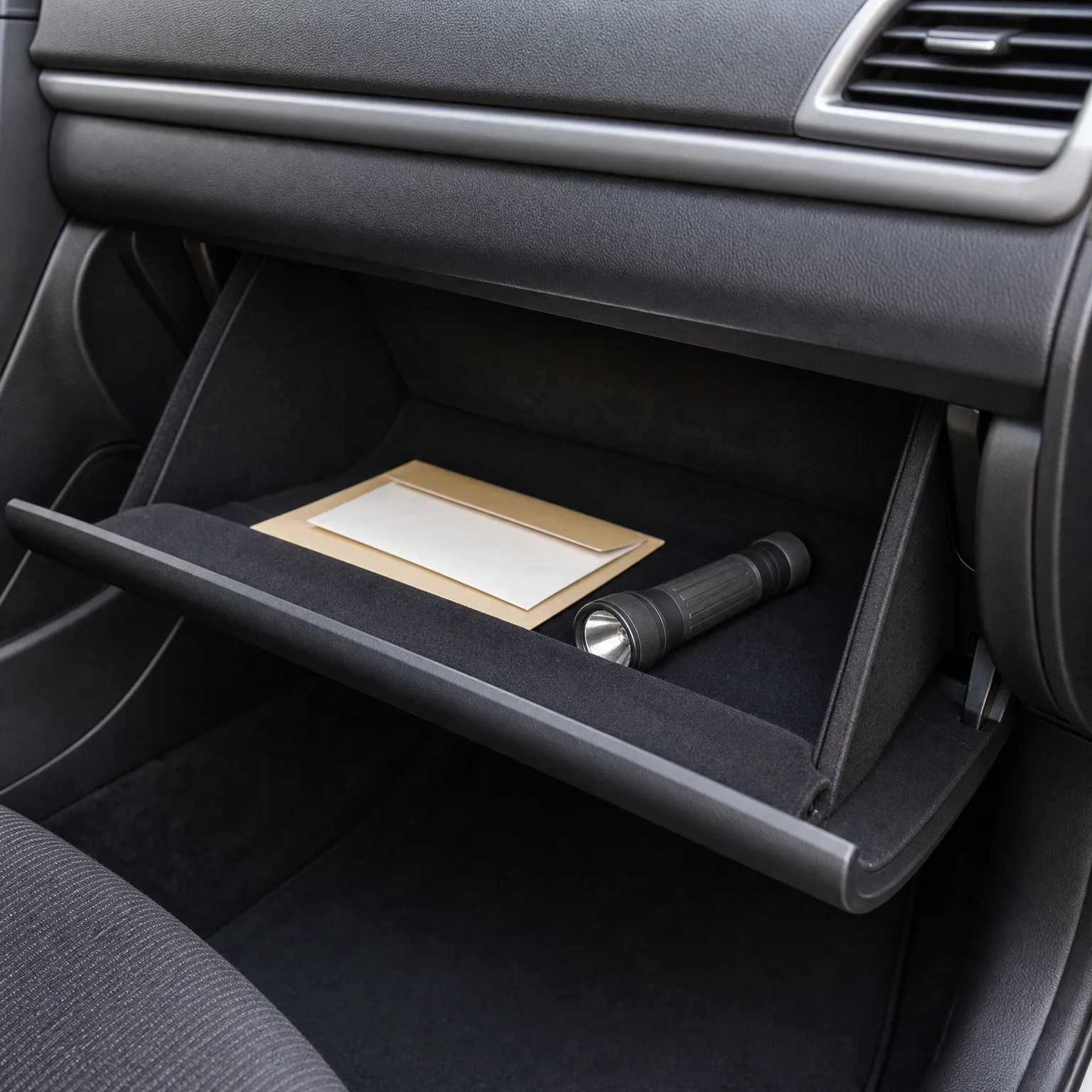
What actually determines your liability
- Whose name is on the title If the car is titled in your name, your insurance and your assets are exposed when it crashes. Retitle it to your child once they're financially able to carry their own policy.
- Whose policy covers the car If the car sits on your policy, your insurer and sometimes you are on the hook for the claim. Decide deliberately whether that car moves to its own policy under your child's name.
- Whether they're a listed driver Being listed as a driver on your policy is different from owning the car or the policy itself. Keep them listed only while they're actually driving your household's vehicles regularly.
- Where they live Some insurers treat a child away at school or living elsewhere differently than one still at your address. Check with your insurer how they define household residency for coverage purposes.
- What the state assumes A few states hold parents responsible for a minor's driving, but adult children are legally their own responsible party in most cases. Confirm your state's rule since this is one area that varies.
Should my adult child get their own car insurance policy?
Once your child has their own car, their own address, or their own income, it usually makes sense for them to carry their own policy. Keeping them on yours past that point can mean you're still financially tied to their driving record and any claims they cause, even accidents that have nothing to do with you otherwise.
The right moment isn't a fixed age. It's when the car they drive most isn't really a shared household vehicle anymore, when they live somewhere else for most of the year, or when they're financially able to carry their own coverage. Until then, keeping them on your policy while they're still using your cars regularly is usually simpler and sometimes cheaper, since insurers often give better rates to young drivers through an established household policy than a brand new one.
Talk to your insurer about the specific triggers they use, since this varies by company.

Now that you know what puts you at risk, compare quotes to match your policy to who's really driving.

Keep your adult child listed on your policy or not
If you do
They stay covered under your policy's limits, which can be more coverage than they'd buy alone. But any accident they cause affects your record and premium, and you may still be liable if the car itself is in your name.
If you don't
You're protected from their driving record and any claims they cause on their own policy. But if they still drive your cars occasionally, make sure your insurer knows, since an unlisted regular driver can jeopardize a claim.

When a visiting son driving the family car caused a crash
A woman in her late fifties had kept her son listed on her policy even after he moved out two years earlier, mostly because he still drove the extra car in the driveway whenever he visited. One weekend he borrowed that car and rear-ended someone at a stoplight. Because the car was titled in her name and insured under her policy, the claim went through her coverage, and her premium went up at renewal.
Looking back, she realized the car had basically become his, even though the paperwork still said hers. After the claim, she retitled the car to him and helped him set up his own policy, since he now had steady income and his own address. She kept the policy and the vehicle separate going forward, and when he visited and borrowed her other car occasionally, she simply listed him as an occasional driver rather than a full-time one, which her insurer treated differently than owning the car outright.
Why liability follows ownership, not the relationship
Liability for a car accident generally follows the car and the policy, not the family relationship. Insurers and courts look at who owns the vehicle, whose policy is paying the claim, and who was legally responsible for maintaining coverage on it. Being someone's parent doesn't by itself create liability once that child is a legal adult.
This is why the two things that matter most are the title and the insurance policy. If a car is titled in your name, you're the legal owner, and ownership carries responsibility for how that car is covered and sometimes how it's driven. If the policy is yours, your insurer is the one paying out and raising rates afterward, even if you never touched the wheel.
Where things get less clear is when a child uses a household car occasionally but isn't the primary driver, or when they've moved out but haven't formally separated their insurance from yours. Insurers differ in how they define a household member or a regular driver, and some state laws add rules about who's responsible for a car's use regardless of the policy. This is exactly the kind of detail to confirm directly with your insurer and your state, since it changes the answer in ways a general rule can't capture.
The practical takeaway is that liability isn't really about whether you raised them or whether they still come home for holidays. It's about whose name is on the paperwork that matters, and keeping that paperwork current as your child's life changes is what actually protects you.