At What Point Is Full Coverage Not Worth It
Full coverage stops being worth it once the car's value falls below what you'd pay in premiums and deductible if it were totaled.
It comes down to what the car is actually worth now
Full coverage exists to protect the car's value, not to protect you from every possible cost. Comprehensive and collision coverage will only ever pay out up to what the car is worth at the time something happens to it, minus your deductible. If the car itself isn't worth much anymore, that payout shrinks, but the premium you pay for the privilege of having that coverage doesn't shrink the same way.
So the real question isn't your car's age or mileage, it's a comparison. Add up what you'd pay in premiums for collision and comprehensive over a year or two, then add your deductible. If that total is close to or more than what the car would fetch if it were totaled tomorrow, the coverage is costing you more than it could ever give back.
This is also where your two cars probably look different. The one your kids used to drive, if it's older or has higher mileage, may have crossed this line already. A newer car still has enough value that the math usually still favors keeping full coverage. You don't have to treat both cars the same way.
There are cases where it still makes sense to keep full coverage even on a car with low value. If you're still financing or leasing it, the lender usually requires it. If replacing the car quickly matters to you regardless of payout size, that's a reason to keep it too. And rules about what counts as a total loss, and how insurers calculate value, vary by state and by insurer, so check how yours defines it before you decide.
How do I find out what my car is actually worth?
Look up your car's value using a pricing guide or valuation tool that accounts for your specific year, mileage, and condition, not just a general estimate based on the model. Insurers typically use similar tools when calculating a payout, so this gives you a realistic number to compare against your coverage costs.
It's worth doing this separately for each car still on your policy, especially the one that used to belong to a driver who's since moved out. Values can shift more than you'd expect over a few years, and what felt like a reasonable number when you last checked may not hold now. Once you have a real number, the decision about dropping full coverage becomes a straightforward comparison instead of a guess.

Once you know which cars still justify full coverage, compare quotes to see what dropping or keeping it really costs.

Deciding whether to drop full coverage on an older car
If you do
You stop paying monthly for collision and comprehensive on that car. If it's stolen, totaled, or badly damaged, you cover the repair or replacement cost yourself. This usually makes sense once the car's value is low and you could afford to replace it without help.
If you don't
You keep paying premiums sized to protect the car's value, even if that value has dropped significantly. If something happens to the car, you get a payout, but it may be smaller than you expect once the deductible is subtracted. This makes sense if the payout still matters to you or the car is financed.
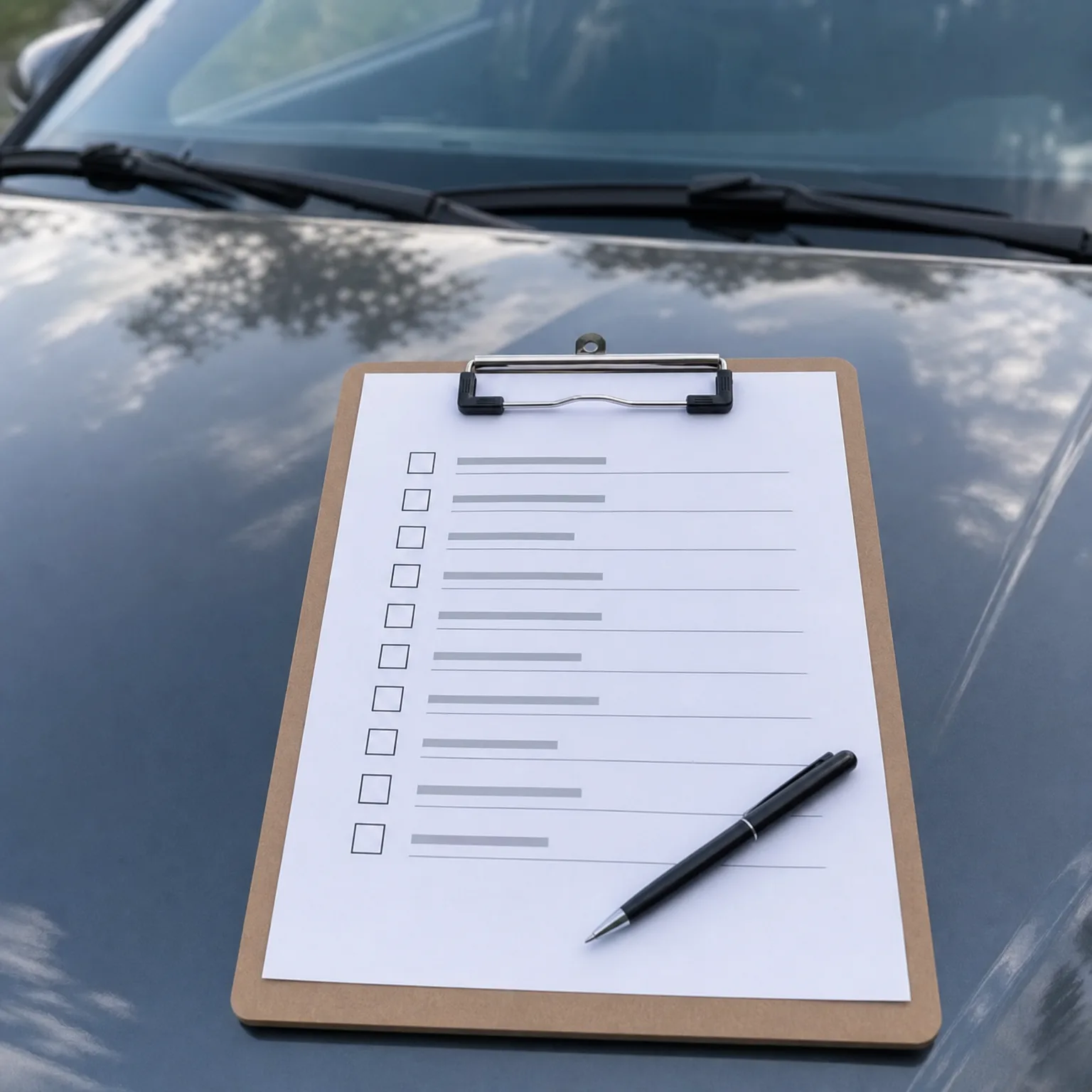
What to check before you drop full coverage
- Current market value Look up what the car is actually worth now, not what you paid or remember it being worth. This number is the whole basis for the decision.
- Loan or lease status If the car is financed or leased, the lender likely requires full coverage regardless of value. Check your agreement before changing anything.
- Cost of premiums plus deductible Add up what you'd pay for collision and comprehensive over a year, then add the deductible. Compare that total directly to the car's value.
- Ability to replace it If the car was totaled tomorrow with no payout, could you cover a replacement yourself. If not, keeping some coverage may still make sense.
- Total loss rules vary How a car is valued and declared a total loss can differ by state and by insurer. Check your insurer's specific rules before deciding.
This isn't about the car's age, it's whether its current value still justifies what you pay to protect it.