Can I Change My Garaging Address After a Move
Yes, you can and should update your garaging address as soon as a car's regular parking location changes.
Your rate is tied to where the car actually sleeps at night
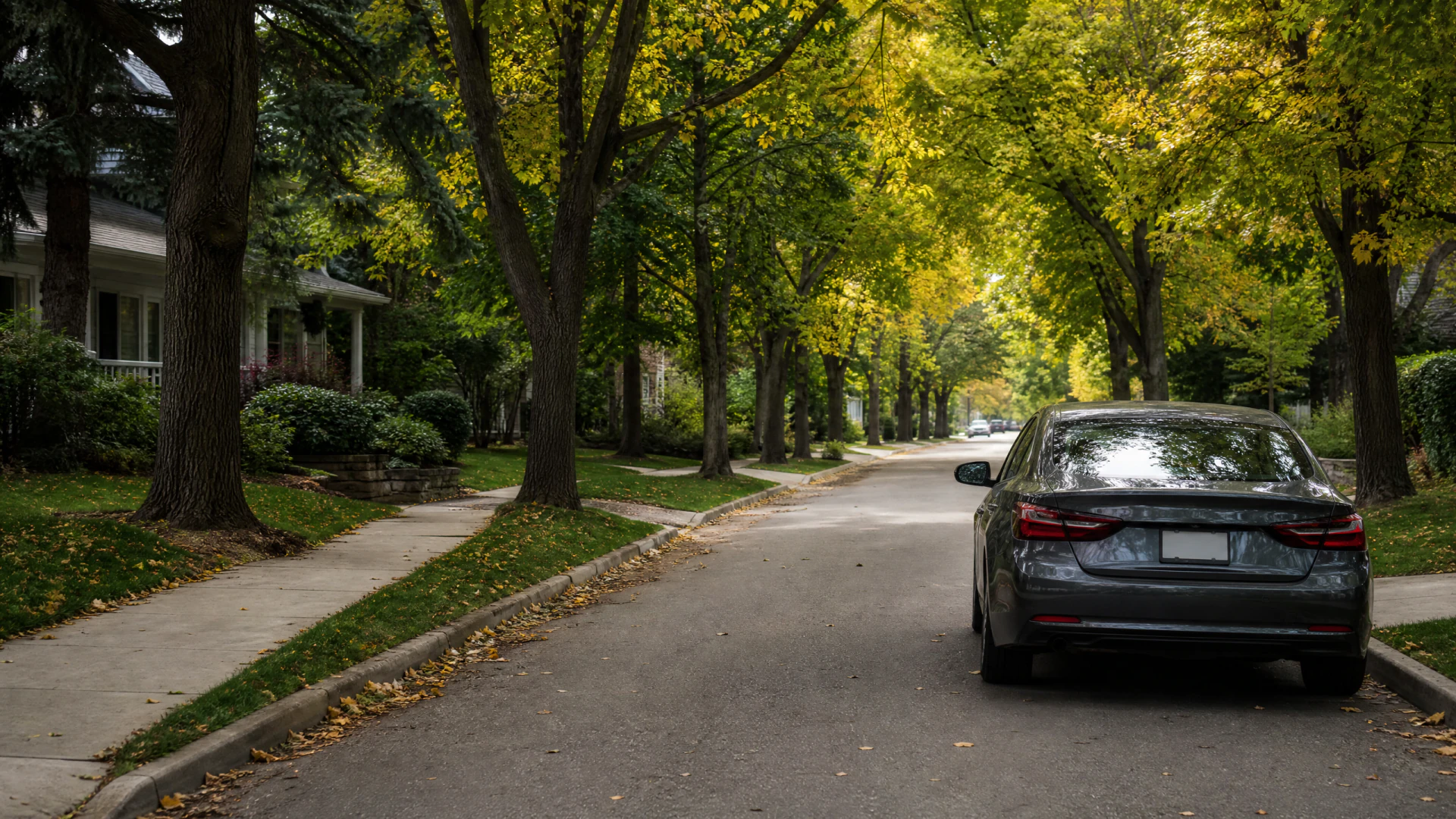
Garaging address is the location your insurer uses to price risk, based on things like traffic density, weather, theft rates, and local claims history in that area. It's not about where you're licensed to drive or where you're registered to vote. It's about where the car spends most of its time, which is usually your driveway or garage.
When your household shrinks, your actual risk picture often shifts too, even if the address itself hasn't changed. Fewer drivers using a car, more predictable commuting patterns, and a car that sits unused more often can all matter. Updating the address matters most when a car has physically moved, like one now living at a child's apartment instead of your house.
Insurers rely on you to report this accurately, and most policies require you to tell them when the garaging location changes. This isn't optional paperwork. If a car is routinely kept somewhere other than what's listed, a claim could be reviewed more closely, or your insurer could decide the risk was misrepresented.
What counts as a permanent move versus a temporary one can vary by insurer. Some companies have clear guidance on how long a car can be away before the address must change, others leave it more open. If one of your children takes a car to a new city for school or work, check with your insurer directly on timing.
When a car follows a child out the door
A couple had two cars and two kids in their twenties still listed as drivers. One child moved out of state for a job and took the older sedan with them. The parents weren't sure if they needed to do anything since the policy was still in their name and the car was still technically theirs.
They called their insurer and learned the garaging address had to change because the car now lived in a different state full time. The rate on that car adjusted to reflect the new location, and the child was moved to their own policy since they were no longer a household member in the parents' eyes. The parents kept the remaining car on their policy as before. The change took one phone call and a short wait for updated documents, and it resolved a gap that could have caused real problems if that car had ever been in an accident far from home.
The address on your policy should describe where the car lives now, not where your family used to be.
Compare quotes once you know which cars and addresses actually belong on your policy.

What to check before you update anything
- Car's actual location Figure out where each car spends most nights now. If one moved with a child, it likely needs its own address and possibly its own policy.
- State the car lives in Moving a car across state lines can change more than the address. Insurance rules and coverage requirements differ by state, so ask your insurer what else shifts.
- Driver list accuracy If a child no longer lives with you and no longer drives your cars regularly, they may need to come off your policy. Check your insurer's rule on how long someone can be listed as away before this matters.
- Visiting drivers coverage Ask what happens when a child comes home and drives your car during a visit. Many policies allow occasional use by a listed driver without a full address change, but confirm the limit.
- Unused car options If a car sits mostly unused, ask about reduced usage categories. It may qualify for lower rates if it's rarely driven.

Do I need to remove my adult child from my policy if they moved out?
Not necessarily right away, but you should tell your insurer the change happened. If your child no longer lives at your address and doesn't regularly drive your cars, most insurers want them off as a listed driver, especially once they have their own car or policy. Keeping them listed when they shouldn't be can inflate your premium unnecessarily. If they still visit often and drive your cars during those visits, ask your insurer how they classify occasional use before removing anyone. The right move depends on how often they actually get behind the wheel of your cars now.
What happens if I don't update my garaging address after a move?
Your coverage could be questioned if a claim happens and the address on file doesn't match where the car was actually kept. Insurers price policies based on garaging location, so an outdated address means you might be paying the wrong rate, and in a worst case, a claim could be delayed or disputed. This matters most when a car has moved to a new state or a meaningfully different area. Update it as soon as you know the change is permanent rather than waiting for a renewal cycle to prompt you.
Should my adult child get their own car insurance policy after moving out?
Usually yes, once they have a stable address and are no longer a regular member of your household. Staying on a parent's policy can work temporarily, but once someone has their own home, their own car, or a job that changes their driving pattern, insurers typically expect a separate policy. Ask your insurer when they consider someone to have moved out for good, since definitions vary. If your child is still financially tied to you or moves back and forth, it's worth asking directly rather than guessing.