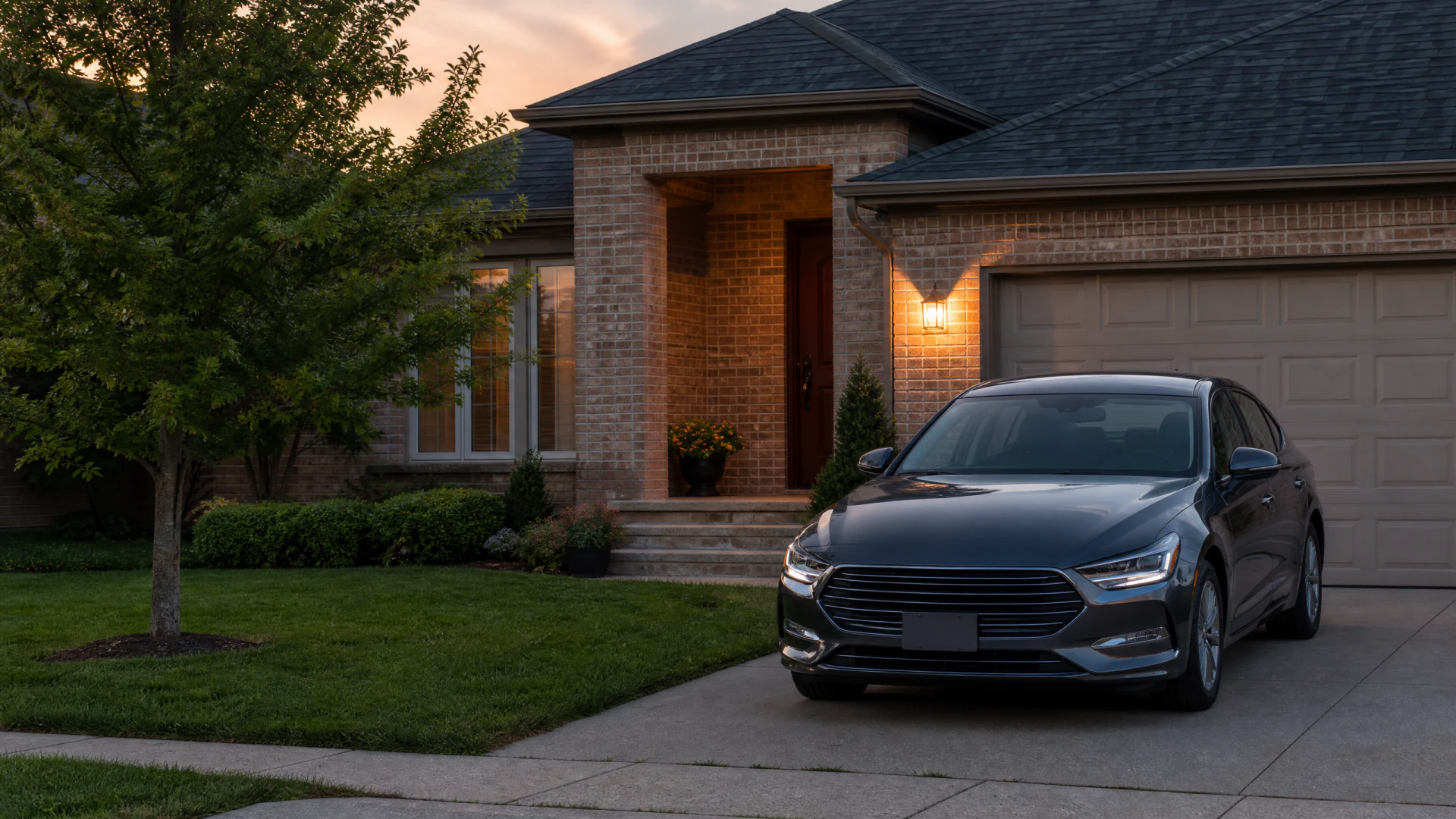
Can I Give My Friend Permission to Drive My Car
Yes, you can hand your friend the keys, and in most cases your insurance follows the car, not the driver.

What matters before you say yes
- Your policy follows the car In most states your insurance covers whoever is driving with your permission. This is why saying yes matters, because you're the one whose policy answers for what happens next.
- Occasional use is fine Letting a friend borrow your car once in a while is normal and expected. Problems only come up if someone drives your car so often they're really living with it, which can change how a claim gets handled.
- Check their driving record Your insurance doesn't ask about your friend's history, but a bad one can still shape what happens after a claim. Ask casually before you hand over the keys if you don't already know.
- A crash still hits your policy If your friend causes an accident while borrowing your car, it typically counts against your coverage, not theirs. Decide before you lend the car whether you're comfortable with that outcome.
- Confirm it with your insurer Rules about permissive use, exclusions, and listed drivers vary by state and by insurer. A quick call before you lend your car out regularly costs you nothing and settles any doubt.

A friend borrows the car for a weekend trip
Your friend doesn't own a car and asks to borrow yours for a weekend trip two states away. You hesitate, not because you don't trust them, but because you're not sure what happens if something goes wrong on an unfamiliar highway. You think it through, remember that your policy covers permitted drivers, and decide the real question isn't whether you can say yes. It's whether you're comfortable being the one whose coverage responds if there's a claim.
You say yes, but first you ask if they've had any recent accidents or tickets, since that shapes what you're actually agreeing to. They haven't, so you hand over the keys with a quick reminder to go easy on an unfamiliar car. The weekend passes without incident, and the car comes back exactly as it left. Nothing about your coverage changed, because nothing happened that needed it to. The only real cost was the five minutes you spent thinking it through before you said yes, which is exactly the point of doing it that way.
The real question isn't if you can say yes, but whether you're ready to own what happens if you do.
Once you know how your policy handles a borrowed car, compare quotes to see if your coverage still fits your situation.

Do you let your friend drive your car
If you do
Your policy covers the accident if something goes wrong, the same way it would if you were driving. Your friend doesn't need their own coverage for this one trip. You keep the convenience of lending your car without paperwork, as long as the borrowing stays occasional rather than regular.
If you don't
Your friend has to find another way to get where they're going, whether that's their own car, a rental, or public transit. You avoid any chance of a claim touching your policy, but you also avoid the small added risk that comes with being helpful. Nothing about your coverage changes either way.
Why your policy covers a borrowed car
Car insurance in most places is built around the vehicle, not just the person named on the policy. The idea is that a car is a single risk, and whoever is behind the wheel with the owner's permission is covered by the same policy that covers the owner. This is what people mean when they talk about permissive use, and it's why lending your car to a friend for an afternoon or a weekend doesn't require any special steps in most situations.
The reasoning behind this is practical. Insurers can't realistically track every person who might occasionally drive a given car, so instead they attach coverage to the vehicle and assume reasonable, permitted use. That covers the common cases, a friend driving you to the airport and bringing your car back, or borrowing it for an errand while their own car is in the shop.
Where this breaks down is frequency and regularity. If a friend starts driving your car often enough that they're functionally a regular driver, an insurer may expect them to be listed on the policy or treated differently when a claim comes in. The threshold for what counts as regular use isn't universal, so this is one of the places where checking with your own insurer matters more than assuming the general rule applies exactly to your situation.
There are also exceptions written into some policies, like excluding certain drivers by name or limiting coverage for drivers who live in the same household but aren't listed. None of that is about friends borrowing a car occasionally, but it's worth knowing those exclusions exist so you're not caught off guard by a clause you never read.
Does my friend's own insurance ever come into play if they borrow my car?
Usually not for a single incident, since coverage typically follows the car first. Your friend's own policy might apply as a secondary layer in some situations, like if damages exceed what your policy covers, but that varies by insurer. Check your policy's limits and ask your insurer directly if you want certainty before a long loan.
Should I list my friend as a driver if they borrow my car often?
If it's becoming regular rather than occasional, yes, that's worth doing. Insurers generally want regular drivers listed, and not doing so can complicate a claim if one happens. Ask your insurer where they draw the line between occasional and regular, since that threshold isn't the same everywhere.
What if my friend doesn't have a license or has a suspended one?
This changes things significantly, and it's not something your policy is built to absorb casually. Letting an unlicensed or suspended driver take your car can affect how a claim is handled and may even affect your own standing with your insurer. Don't assume permissive use covers this case, and check with your insurer directly before agreeing.