Can My Daughter Be on My Insurance if She Lives Elsewhere
Usually yes, but it depends on where her car is kept and whether she still shares your household in the insurer's eyes.
Insurers care about where the car actually lives
Car insurance follows the vehicle and the household more than it follows family ties. When your daughter moved out, the question isn't whether she's still your child, it's whether she and her car are still tied to your address in a way the insurer recognizes. Some insurers are fine keeping an adult child on a parent's policy as long as she doesn't own the car herself or garage it somewhere else full time. Others draw a harder line the moment she has her own address, regardless of whose name is on the title.
This is why the answer varies so much by insurer and by state. A few states have rules about who can be rated on a policy based on residency, and insurers layer their own underwriting rules on top of that. One company might treat a daughter in a nearby city as still part of your household if she visits often and doesn't have her own policy. Another might require her to be removed the moment her license shows a new address.
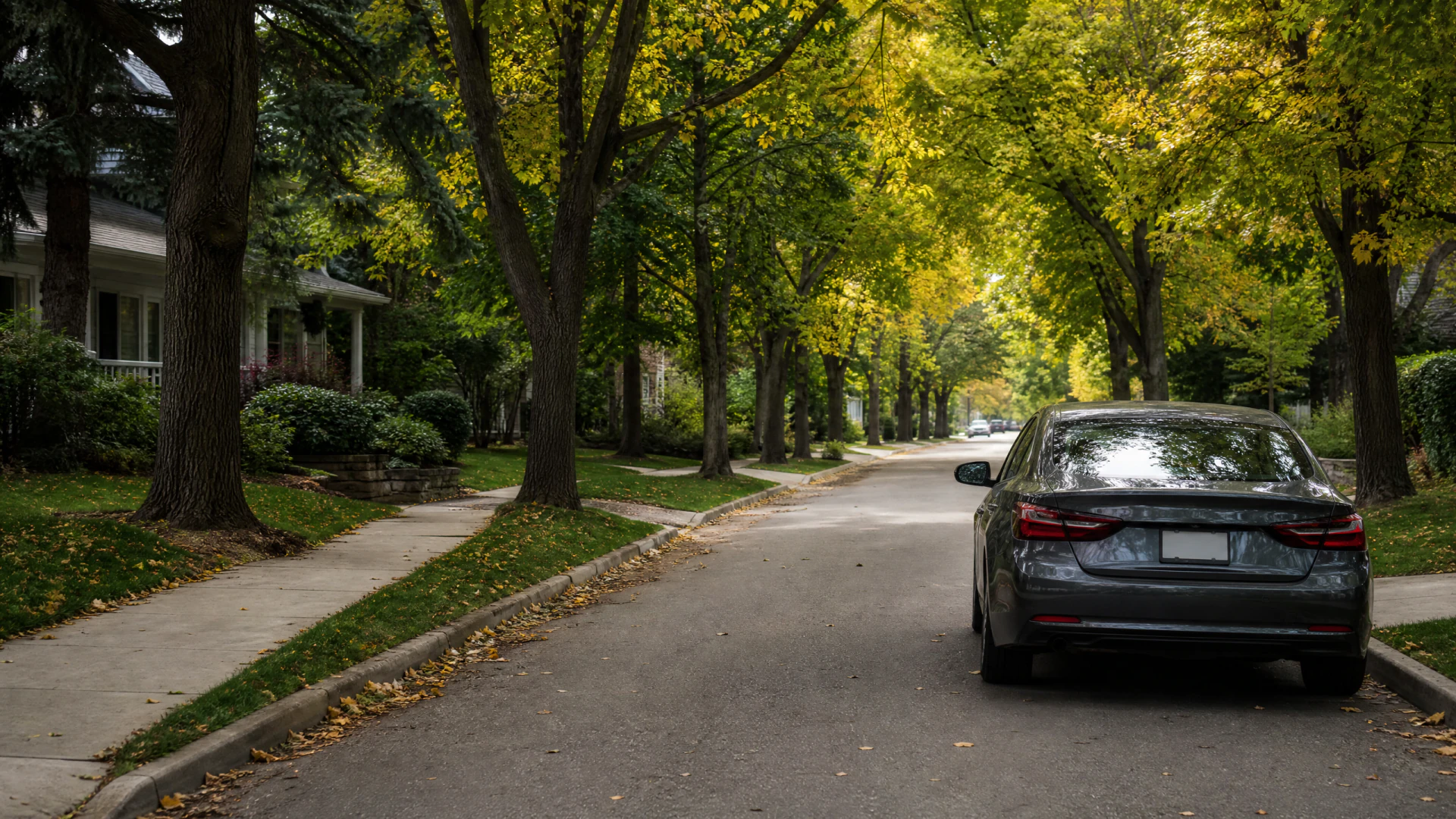
What usually decides it is the car, not the relationship. If she's driving a car that's titled and garaged at your home, keeping her on your policy often makes sense since the car's risk is still tied to your address. If she bought her own car and keeps it where she lives now, most insurers will want that car and that driver rated separately, even if you're paying for it.
The cases that go wrong are the quiet ones. A family keeps a daughter on the policy out of habit, her address on file is years old, and nobody updates it. If something happens and the insurer discovers the mismatch, it can affect how a claim is handled. That risk, not the insurance rules themselves, is the real reason to get this settled now instead of assuming it's fine.
What if she visits often but doesn't live with me anymore?
Frequent visits don't automatically keep her on your household policy. What matters is her primary residence and where her car, if she has one, is actually kept most of the time. If she's living elsewhere full time, even if she comes home often, most insurers will consider that a separate household.
If she drives your car occasionally during visits, that's usually fine to handle as an occasional driver rather than someone rated full time on your policy. Tell your insurer how often she drives and which car, and ask directly how they classify that situation. The answer differs enough between insurers that it's worth asking plainly rather than guessing.

Once you know whether she stays on your policy or needs her own, compare quotes to see which setup actually costs less.

Whether you tell your insurer she moved out
If you do
You give your insurer accurate information, so they can tell you clearly whether she stays on your policy or needs her own. If a change is needed, you make it on your terms, with time to compare options and avoid a coverage gap or a surprised adjuster later.
If you don't
Your policy keeps assuming she lives with you, which might work out fine or might not. If she's ever in an accident and her actual address doesn't match what's on file, the insurer may question the claim, and you could end up dealing with that at the worst possible time.

A daughter who moved two towns over but kept the family car
A mother had her daughter on her policy as a listed driver for years. When the daughter moved out to share an apartment two towns over, she took the older family car with her since she didn't own one yet. The mother assumed nothing needed to change because the car was still titled in her name and the daughter visited most weekends.
She called her insurer to check, and found out the daughter's new address needed to be on file even though the car's title hadn't changed. The insurer kept her on the same policy but rated the car based on where it was now garaged, which changed the price slightly. The mother also learned that once her daughter got her own car later, that vehicle would need its own policy. Making the call early meant there were no surprises and no gap if anything happened during one of those weekend visits.
It's not about whose name is on the car, it's about where that car actually lives now.