
Can My Kid Drive My Car Without Being on My Insurance
Your child can drive your car occasionally without being listed, but regular use usually needs to be reported to your insurer.
Coverage follows the car, but insurers expect honesty
Car insurance is built around the vehicle, not just the person named on the policy. That's why your policy generally covers anyone you give permission to drive your car, including your adult child, as long as they're driving occasionally. This is sometimes called permissive use, and it exists because insurers know cars get borrowed.
The line moves once occasional turns into regular. If your child visits a few times a year and borrows the car for an afternoon, that's permissive use. If they're back living at home for a few months, or they visit every weekend and drive often, insurers consider them a regular driver of that household, and regular drivers are expected to be on the policy. The reasoning is simple. Your premium was priced on who actually drives the car and how often, so a driver who's become part of the regular pattern changes that risk even if they don't live there full time.
This is also where state and insurer rules genuinely differ. Some insurers draw the line by how many days a year someone drives the car, others by whether they still reside at your address, and some ask about it directly when you renew. A few states have their own rules about who must be listed. Check your policy documents or call your insurer to find out exactly how they define it, because the difference between permissive use and a reportable driver isn't the same everywhere.
Where it gets complicated is if your child has moved out and has their own insurance already. Even then, if they borrow your car, your policy is usually what pays first if something happens, not theirs. That surprises people, so it's worth confirming with your insurer rather than assuming their coverage follows them.

When a visiting child staying longer changed the answer
A mother removed her son from her policy two years ago when he moved out and bought his own car with his own insurance. He visits a few times a year and occasionally borrows her car to run errands while he's in town, which she never thought twice about, assuming it was covered like any guest driving her car.
This past winter he stayed for six weeks between jobs and drove her car almost daily. She called her insurer to ask whether that changed anything, and it did. Because he was driving regularly during that stretch, the insurer asked her to add him temporarily, which cost very little for the weeks he was there and was removed once he left. She kept that call documented, so if anything had happened during that stretch, there was no question about whether he was covered.

Telling your insurer your child is driving your car again
If you do
Your insurer notes the change and confirms coverage applies while your child drives, even occasionally. If they end up needing to be added temporarily, you know right away and pay only for the time it matters. No surprises if a claim comes up during a visit.
If you don't
You're relying on your own assumption about what counts as occasional use. If your child's visits turn into weeks of daily driving and something happens, the insurer may question why a regular driver wasn't disclosed, which can slow down or complicate a claim at the worst possible time.
Once you know how your child's driving fits your policy, compare quotes to confirm you're not overpaying.

What to check before assuming your child is covered
- Occasional versus regular use A quick visit home is usually covered automatically. Weeks of daily driving usually isn't, so ask your insurer exactly where their line falls.
- Permission matters Coverage generally requires that you gave permission to drive the car. Make sure that's clear and not just assumed on either side.
- Your policy pays first If your child has their own insurance but borrows your car, your policy is usually primary. Confirm this with your insurer so there's no confusion later.
- Call before a long stay If your child is coming home for an extended visit, call ahead rather than after. Adding them temporarily is usually simple and avoids any dispute.
- Get it in writing Ask your insurer to confirm coverage details by email or in your account notes. A documented answer protects you if a claim ever comes up.
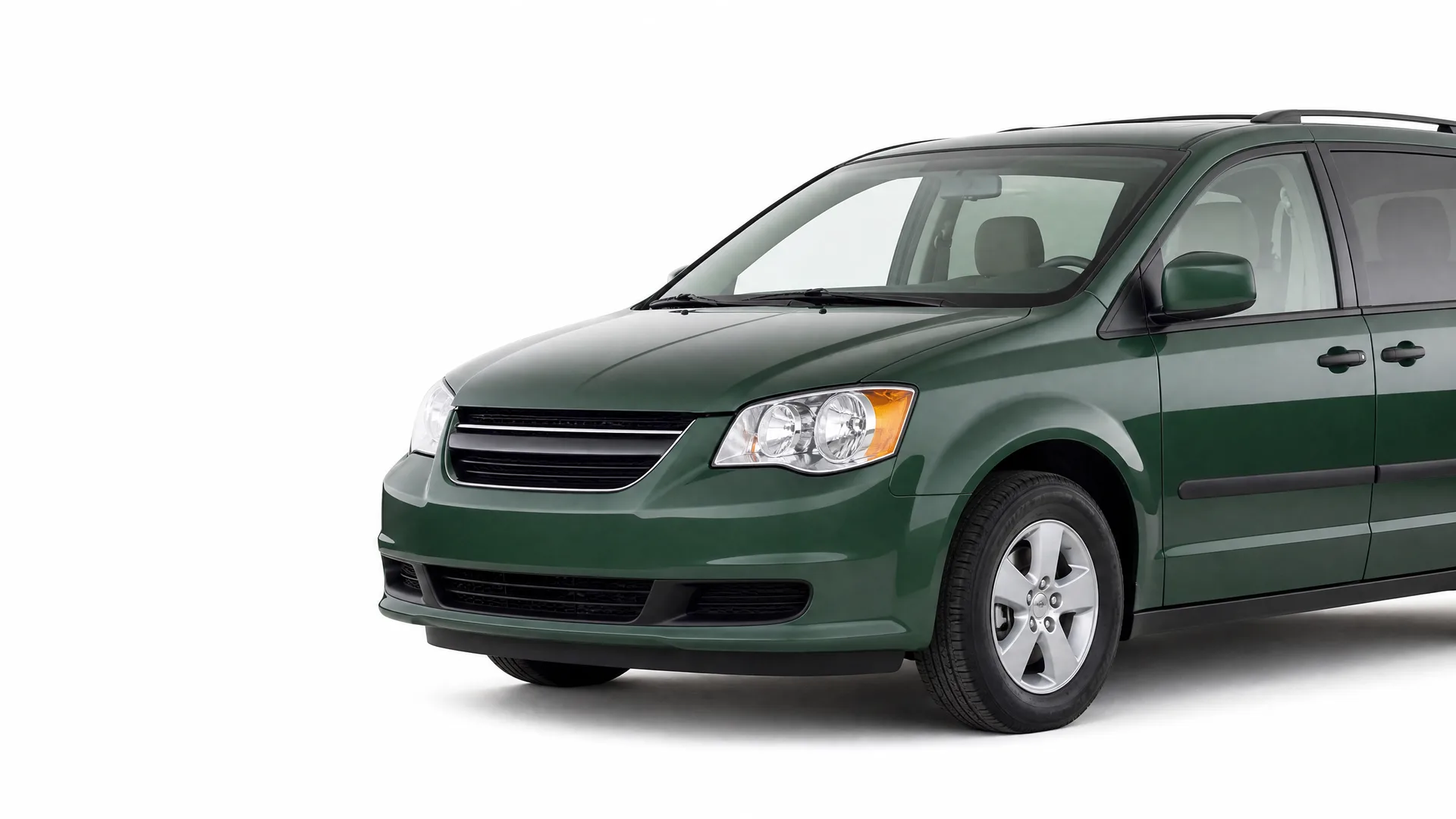
The real question isn't whether your child can drive your car, it's how often they actually do.
Does my child need their own car insurance once they move out?
Not automatically, but it depends on whether they have steady access to a car. If your child moved out and has their own vehicle, they need their own policy for that car. If they're carless and only drive when visiting you, your policy's permissive use usually covers them without any changes needed.
The harder case is when they move out but still borrow your car often, like every weekend or for long stretches. At that point many insurers expect them listed even without a car of their own, because frequent access to your vehicle makes them a regular driver in the eyes of the policy. Ask your insurer how they define frequent, since this is one of the areas that varies most by company. Getting a clear answer now avoids a dispute later if your child is ever in an accident while borrowing your car.