
Can My Son Stay on My Car Insurance if He Moves Out
Yes, in most cases he can stay on your policy even after he moves out, as long as he's still accurately listed.

What decides if he can stay or should leave
- His new address If he's moved to a different state, most insurers require him to get his own policy there. If he's still in-state, staying on yours is usually fine, but check with your insurer to confirm.
- Which car he drives If he took a car with him, that car and his use of it need to be reported accurately. If he left his car behind and only drives occasionally, say so, since occasional use is rated differently than daily use.
- Whether he owns the car If he bought his own car, most insurers want it on its own policy, often his own. Keeping it on yours when he owns it can cause problems if he ever files a claim.
- School or temporary moves If he's away at school or working temporarily, that's usually still fine to keep as is. Tell your insurer anyway, since some give a discount for students living away without a car.
- Cost versus simplicity Staying together can be cheaper, but it also means your rates are tied to his driving record. Decide if that tradeoff still makes sense now that he's living elsewhere.
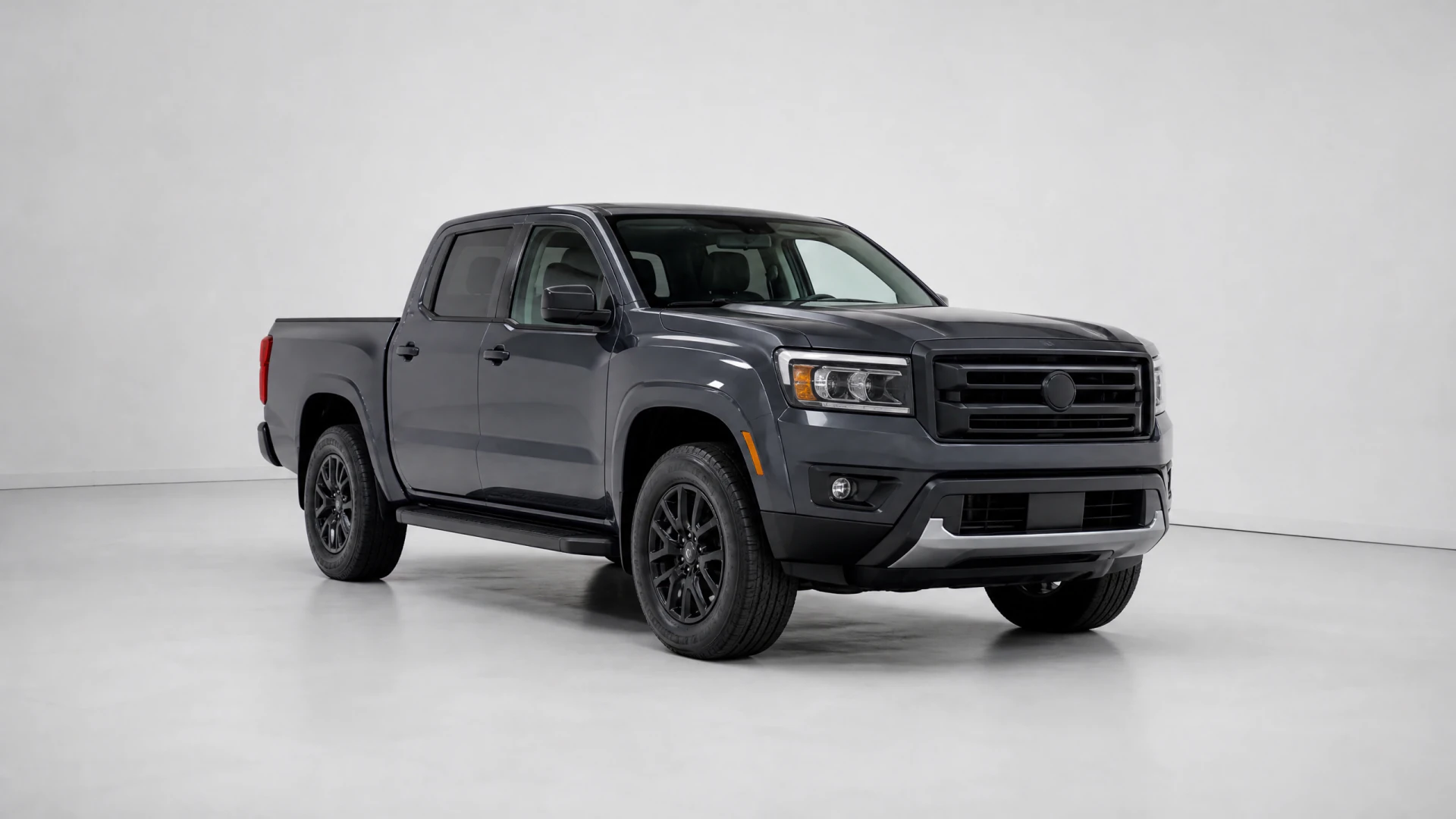
The short version
Your son can usually stay on your policy unless he's crossed state lines or bought his own car, in which case he likely needs a separate policy. Insurers rate based on where a car is kept and who mainly drives it. Call your insurer and tell them what changed.

When a move changes more than you expected
Say your son moved two states away for a new job, left his old car in your driveway, and bought a newer one once he got settled. You kept him on your policy because it was easier, figuring you'd deal with it later. Six months in, you got a renewal notice with a rate increase you didn't expect, and a line item questioning why a driver listed at your address had a car registered elsewhere.
You called your insurer, explained the situation, and they walked you through it. His new car needed its own policy in his new state, since insurers base coverage on where a car is actually kept and driven. You removed him from your policy, he got a policy of his own, and your rate dropped back down because you were no longer covering a car and driver you didn't actually interact with anymore. It took one phone call to fix something that had been quietly costing you for months.
Now that you know whether he can stay on your policy, compare quotes to see what keeping or separating actually costs.

Whether you report the move now or wait
If you do
You call your insurer, update his address and car, and get an accurate rate right away. If he needs his own policy, you start that process immediately, so there's no gap in coverage and no surprise bill later. It takes one call and a few minutes of your time.
If you don't
Your policy may still technically be active, but if he's in another state or driving a car you haven't reported, a claim could be delayed or denied. You could also be paying for coverage that no longer matches your actual situation, without knowing it.
When should my son get his own car insurance policy?
He should get his own policy once he has a permanent address in another state, owns his own car, or is financially independent enough that keeping him on yours no longer makes sense. The clearest trigger is the address change, since most insurers require the car's primary location to match where it's actually kept and driven overnight.
Ownership matters too. If he bought the car himself, insurers generally expect the policy to follow the owner, not stay with a parent. Independence is murkier, since there's no rule that says an adult child must leave a parent's policy just because he's employed or living elsewhere, but many families use it as a natural point to split, especially once the discount from being on a shared policy no longer outweighs the complexity of tracking someone else's driving and cars from a distance.