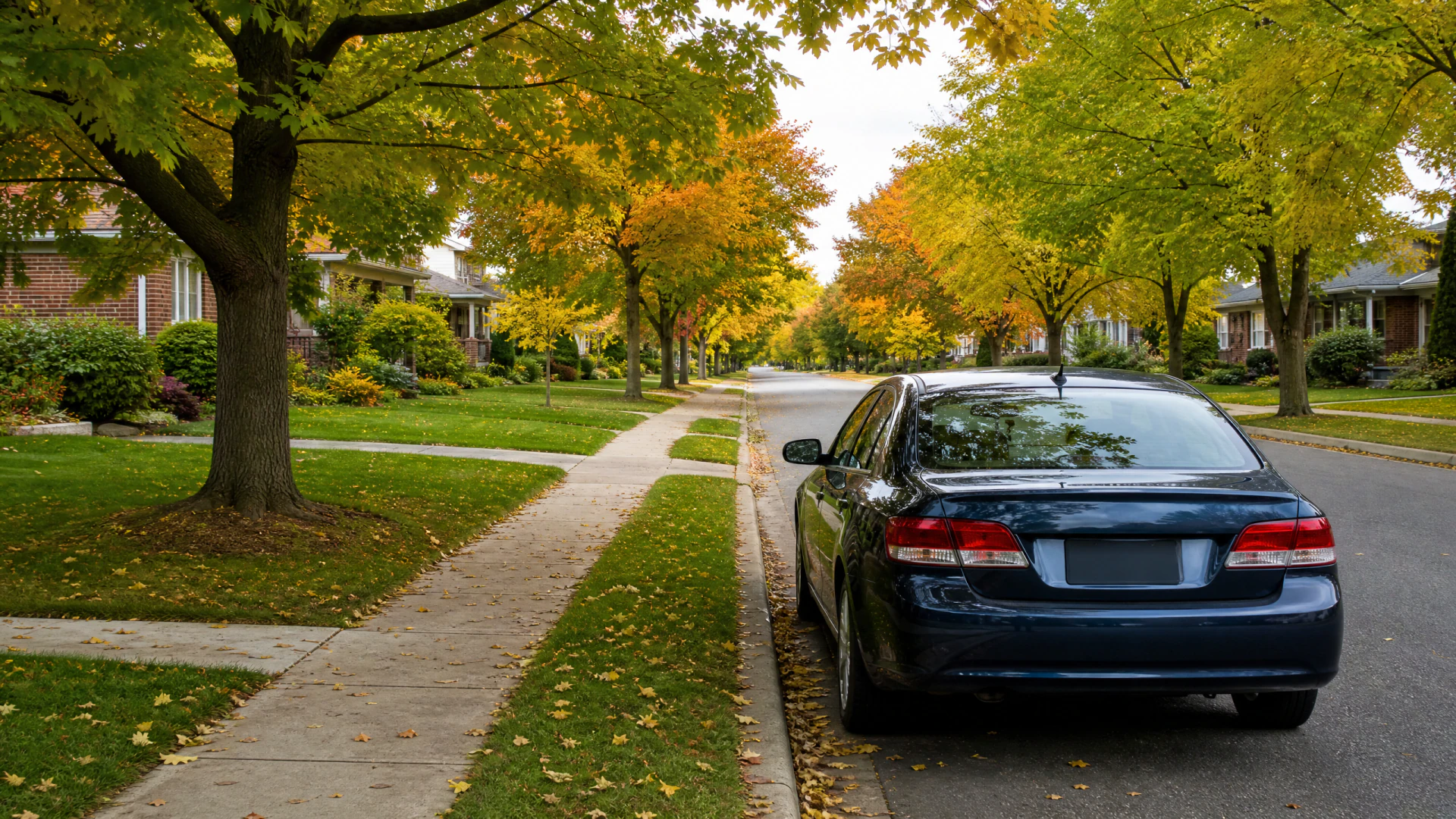
Can Someone Who Does Not Live in My House Drive My Car
Yes, someone who doesn't live with you can drive your car occasionally, as long as you gave permission and they're not regularly using it.

When a Grown Child Visits for the Holidays
Say your son moved out last year and comes home for a week at Thanksgiving. He borrows the family car to run errands and see friends while he's in town. Because he's not living in the house anymore and isn't driving the car regularly, he can usually be covered as a permissive driver under your policy without being listed on it. The key factor insurers look at is how often someone drives the car, not just whether they're related to you or used to live there.
Now say that same son starts coming back every other weekend because he's between apartments, and he's using the car most of those visits. That pattern looks less like an occasional visit and more like regular use, which is exactly the gray area insurers watch for. At that point it's worth a call to your agent to ask whether he should be added to the policy or get his own. Sorting it out before an accident happens is far easier than trying to explain the arrangement after one.
What If My Child Visits Often But Doesn't Live With Me?
This is the situation that causes the most confusion, because there's no official line between an occasional guest driver and someone who should be on your policy. What matters most is the pattern insurers would see if they looked at how the car is actually used.
If your child visits a few times a year and drives occasionally, that's typically fine as a permissive use situation. If they're coming back regularly, staying for extended periods, or using the car as a routine part of their life, that starts to look like regular use, even without a change of address. The honest move is to call your insurer and describe the actual pattern. They can tell you whether it needs to change, and doing that before a claim happens protects you far more than guessing.
The real question isn't where your child lives, it's how often and how regularly they drive the car.
Once you've settled how your child's driving fits your policy, compare quotes to see if the rest still fits.

What Actually Decides Whether They're Covered
- Permission to drive If you gave them the keys and said yes, they're almost always covered as a permissive driver. Make sure that permission is clear and not just assumed.
- How often they drive it Occasional use is very different from a regular pattern. If it's becoming routine, call your insurer before it becomes a problem.
- Where they actually live A household member is usually someone who lives there most of the time, not just someone related to you. An address change matters more than a visit.
- Their driving record If your child has a history of tickets or accidents, letting them drive your car regularly could affect your rate even if they're never added. Ask your insurer how guest drivers factor in.
- Needing their own policy Once they have a car, apartment, or steady income, it's often time for separate coverage. Ask what changes for both of you when that happens.

Do I need to add my adult child to my policy if they visit a lot?
Not automatically, but it depends on how often and how long they stay. If visits are occasional, permissive use typically covers them fine. If they're staying for weeks at a time or driving the car as part of a regular routine, insurers may consider them a de facto household member, which usually means they should be listed. The safest move is to describe the actual pattern to your insurer and let them tell you whether it crosses that line, since the definition varies by company and by state.
Does my insurance still cover my child if they get their own car?
Once your child buys or leases their own car, that vehicle generally needs its own policy, separate from yours. Your policy covers the cars you own and insure, not people as individuals, so a new car in their name usually isn't covered under your plan even if they still visit often. This is usually the clearest sign that it's time to separate the policies. Check with your insurer about the exact point at which a newly owned vehicle needs its own coverage.
Will removing my child from my policy lower my rate right away?
In most cases, yes, since young drivers are often the biggest factor in a family policy's cost. But the exact change depends on your insurer and how your policy is structured, so it's worth asking for a breakdown before and after the change. If your child still visits occasionally, make sure you understand whether they're still covered as a guest driver even after being removed, so there's no gap if they do borrow the car.