Do I Need Comprehensive and Collision on an Old Car
Drop comprehensive and collision once the car's value is too low for a payout to cover what you're already paying in premiums.
The math changes as the car's value drops, not as the car ages
Comprehensive and collision exist to pay you the car's current value if it's totaled or stolen, minus your deductible. That payout shrinks every year as the car depreciates, but your premium for that coverage doesn't shrink at the same pace. At some point you're paying a steady amount every year to insure a payout that's gotten small, and that's the moment the coverage stops making sense.
The way to check is simple. Find out what the car is actually worth now, then find out what you're paying each year specifically for comprehensive and collision, separate from liability. If a year or two of those premiums would get you close to the car's value, the coverage isn't doing much for you anymore. You're better off setting that money aside yourself.
This isn't only about age. A car with low mileage or one that's been well kept can still be worth enough to justify keeping full coverage, even if it's been on the road a long while. And a newer car that's been in accidents or has high mileage might already have dropped below the threshold. Value is the real test, age is just a rough proxy for it.
One thing that doesn't change with the car's value is whether you still owe money on it. If there's a loan or lease, the lender almost always requires comprehensive and collision until it's paid off, regardless of what the car is actually worth. Check your loan terms before you drop anything.

A family car nobody drives much anymore
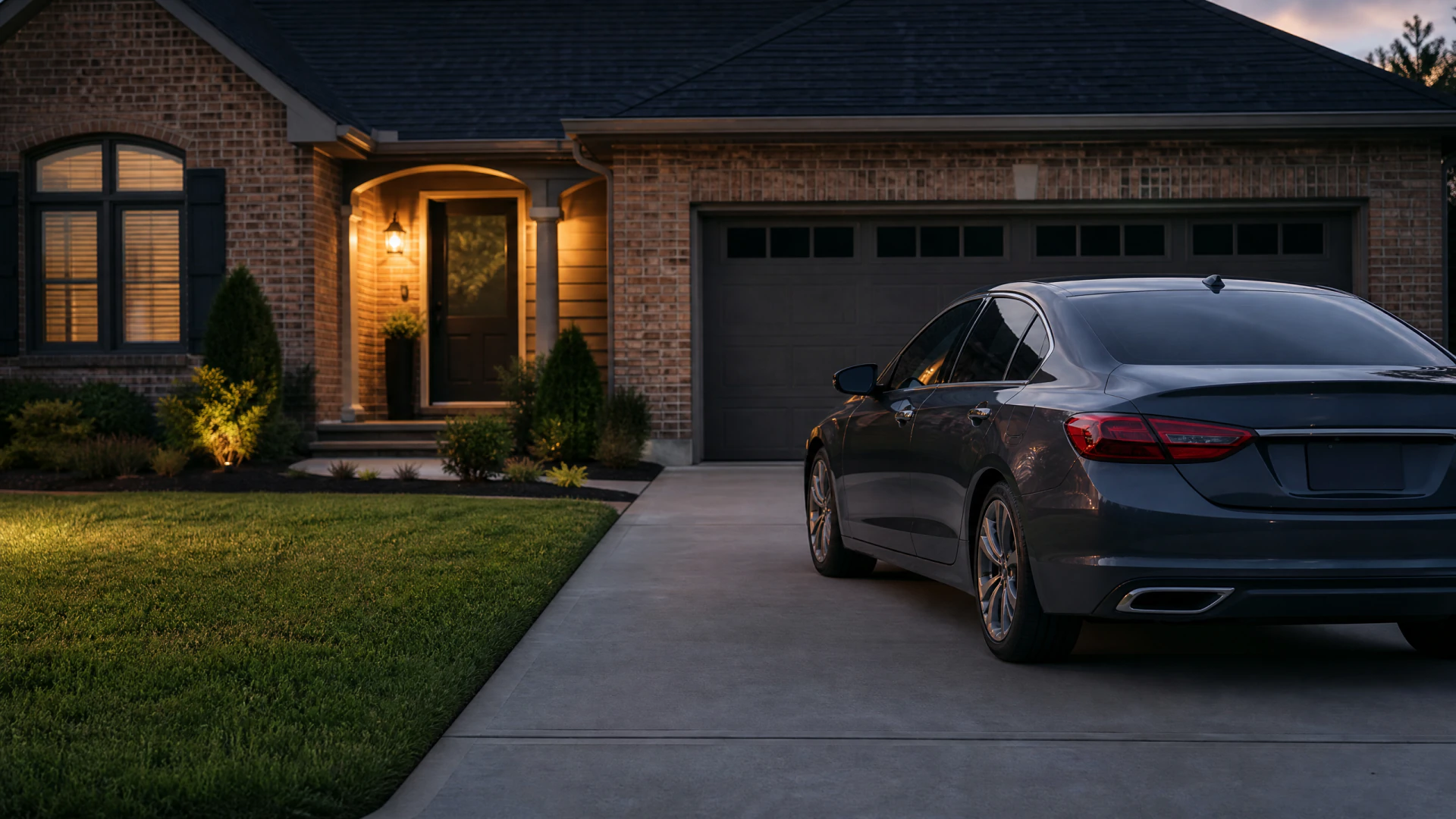
One parent had an older sedan sitting in the driveway, originally bought for a kid who's since moved out and now visits a few times a year. The car was paid off, worth a modest amount, and the premium for comprehensive and collision had stayed roughly the same for years even as the car's value kept falling. They pulled up the declarations page, found the dollar amount specifically tied to comprehensive and collision, and compared it to what the car would sell for.
The premium for two years of that coverage was close to the car's total value. They dropped comprehensive and collision, kept liability since the car was still driven occasionally, and set aside the difference in a separate account in case something happened to the car later. When their kid visited and borrowed the car for a few weeks, they checked their policy's language on occasional drivers first and confirmed liability still applied. A few months later a minor hailstorm dinged several cars on the block, and theirs wasn't one of the ones covered for that kind of damage, but the savings already outweighed what a claim would have given them anyway.
What the car is worth today decides this, not how many years it's been sitting in the driveway.
Once you know what the car is worth, compare quotes to see what keeping or dropping that coverage actually costs you.

Should you drop comprehensive and collision on this car
If you do
You stop paying for coverage that would only pay out a small amount if the car were totaled or stolen. You keep liability, so damage you cause to others is still covered. If the car is damaged or stolen, you pay for repairs or replacement yourself, which is manageable if its value was already low.
If you don't
You keep protection against theft, weather damage, and at-fault accidents, which matters if the car still holds real value or if an adult child drives it often. You keep paying a premium that may be close to what the car is worth. If the car is financed or leased, this isn't optional anyway.
What to check before you decide on this car
- Current market value Look up what the car would actually sell for now, not what you paid for it. This number is the whole decision.
- What you pay for the coverage Find the line on your policy that breaks out comprehensive and collision separately from liability. Compare that amount to the car's value.
- Whether a loan or lease exists If the car isn't paid off, the lender likely requires this coverage regardless of value. Check your loan agreement before changing anything.
- How often it's actually driven A car an adult child borrows often during visits still carries real risk. Factor in who drives it and how, not just who it's titled to.
- Your deductible amount A high deductible shrinks what you'd actually receive in a claim. Subtract it from the car's value to see the real payout you're insuring for.