How Can Older Drivers Get Cheap Car Insurance
The biggest savings come from matching your policy to the car and driving you actually have now, not shopping harder for the same policy.
Your rate reflects risk, and your risk profile just changed
Insurers price you based on a mix of experience, claims history, and the specific car being driven. Older drivers, especially those with a long clean record, usually sit in one of the cheapest risk bands an insurer offers. But that pricing only shows up if your policy still reflects reality. If you're still covering a car nobody drives often, or carrying add-ons built for a different stage of life, you're paying for risk that isn't there anymore.
This is why the same driver can get two very different rates depending on how the policy is structured. Coverage levels, deductibles, and whether you're bundling multiple cars under one plan all push the number up or down independently of your age. An older driver with a high deductible and liability-only coverage on an older car will almost always pay less than one who kept full comprehensive coverage out of habit.
Where this gets less predictable is around things like mileage, retirement status, and completed driving courses. Some insurers reward lower annual mileage or completion of a defensive driving refresher with a real discount, others don't factor it in at all. This varies by insurer and sometimes by state, so it's worth asking directly what your specific company offers rather than assuming it's standard.
The other variable is how long you've been with the same insurer. Loyalty doesn't always pay off the way people expect. Rates drift upward over years even when nothing about your driving has changed, simply because insurers count on people not checking. That's a separate problem from your age or experience, and it's one shopping around solves directly.
A driver who finally checked what she was paying for
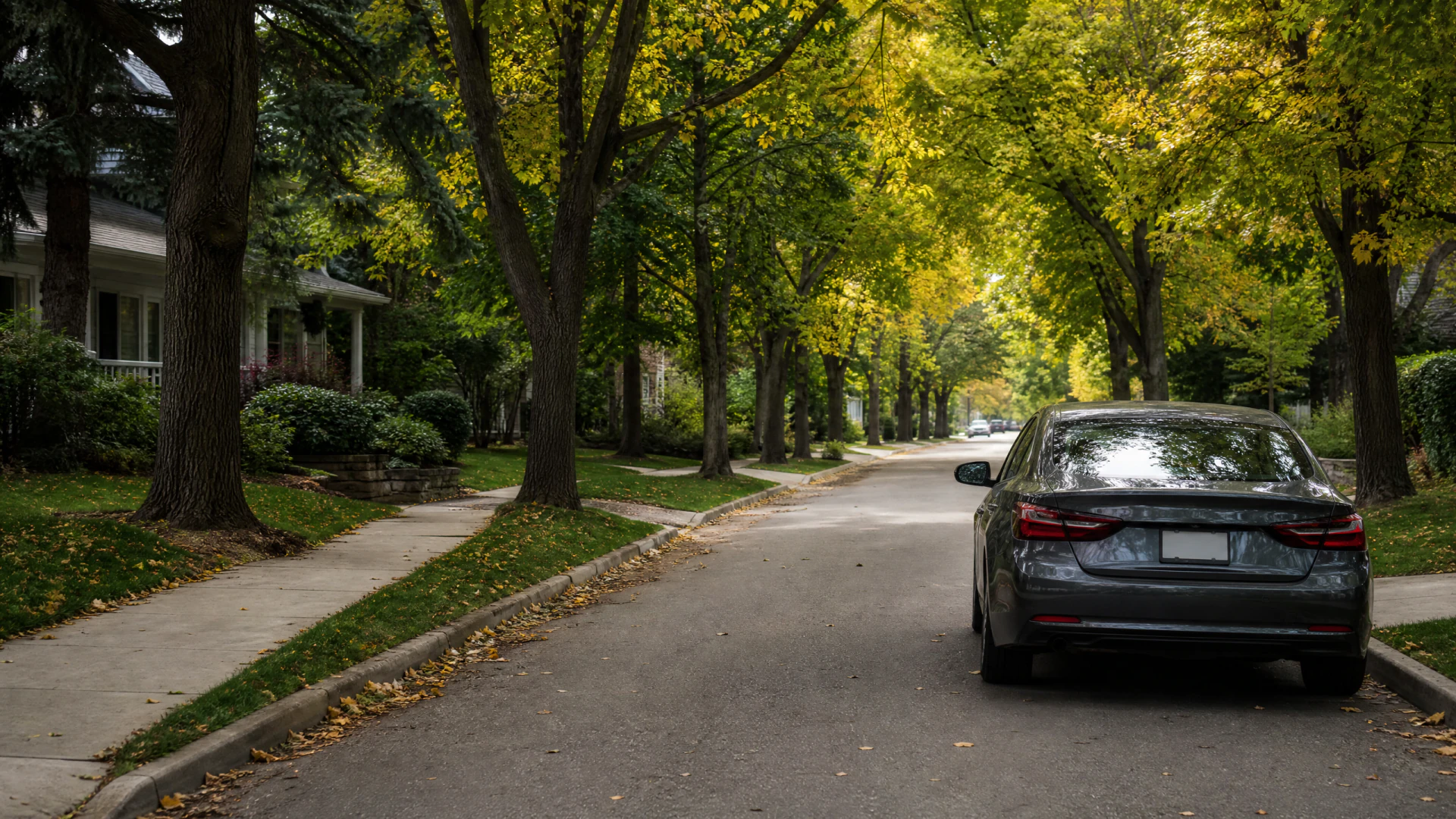
A woman in her late fifties had two cars on her policy, her own sedan and an older car that used to belong to her son. He'd moved out two years earlier and only drove it when he visited, maybe four or five times a year. She was still paying full coverage on both cars and had never adjusted anything since he left.
She called her insurer, dropped comprehensive and collision on the older car since it wasn't worth much anymore, and switched it to a lower-mileage usage category. She kept her own car's coverage as is since she still relied on it daily and wanted the protection. Then she got a few comparison quotes using her updated numbers. The combination of right-sized coverage and a competitive quote brought her total policy cost down noticeably, and she kept the old car insured just enough to cover her son when he visited.
The savings aren't about your age, they're about whether your policy still matches how you actually live now.
Compare quotes now using your current coverage needs, not the ones from years ago, and see what you're really owed.
Will my rate keep dropping as I get older, or does it go back up eventually?
It depends mostly on your health and driving record, not just your birthday. Rates for older drivers tend to improve steadily through the fifties and sixties as experience builds and claims risk statistically falls. Somewhere later on, usually tied to specific risk factors like vision changes, slower reaction time, or a new health condition, insurers may start treating age itself as a factor again.
This isn't universal and doesn't happen on a fixed schedule. It depends on the insurer's own data and sometimes on state rules about how age can be used in pricing. The best approach is to keep shopping periodically rather than assuming your rate will only move one direction. A clean record and a well-matched policy will keep you in good standing longer than age alone would predict.

Should I remove my adult child from my policy as soon as they move out?
Not necessarily right away. If they still drive your car occasionally, like during visits home, most insurers want them listed or at least noted, or claims could be denied. If they truly won't drive your vehicles anymore and have their own policy, removing them is reasonable. Check your insurer's specific rule on occasional drivers before deciding, since this varies by company.
Is it cheaper to keep an extra car insured or get rid of it?
If it's driven rarely, a stripped-down low-mileage policy is usually cheaper than full coverage but costs more than nothing. Compare that cost against what you'd get selling it, plus what it's worth having available for visiting family. If it sits unused most of the year, ask your insurer about low-mileage or seasonal coverage options first.
Does bundling home and auto insurance save more than shopping separately?
Often yes, but not always, so it's worth checking both ways. Bundling discounts can be meaningful, but a competitive standalone auto quote sometimes beats a bundled rate, especially if your home insurer isn't the cheapest option for your area. Get separate quotes for both before committing either way.