How Does Car Insurance Work if Someone Else Is Driving
Your car insurance generally follows the car, not the driver, so permission to drive it matters more than who's behind the wheel.

What decides whose insurance pays when someone else drives
- Permission is the key test If you said yes to them driving your car, your policy is usually the one that responds first. If they took it without asking, that can change everything, so be clear about who you've allowed to drive.
- Occasional use differs A visiting adult child borrowing your car once in a while is usually covered under your policy. If they're driving it often, the insurer may expect them listed as a driver, so tell your agent how often they actually use it.
- Their own policy can still apply If your adult child has their own car and policy, that policy may also come into play depending on the situation. Ask your insurer how coverage stacks when more than one policy could respond.
- Resident relatives differ Someone living in your home, even part of the year, is often treated differently than an outside friend borrowing the car. Tell your insurer about anyone who stays with you regularly, including a child home from college.
- State rules on this vary How permissive use and resident relative rules work can differ by state and by insurer. Ask your agent directly how your state and your policy define both.

When a visiting adult child borrows the car for the weekend
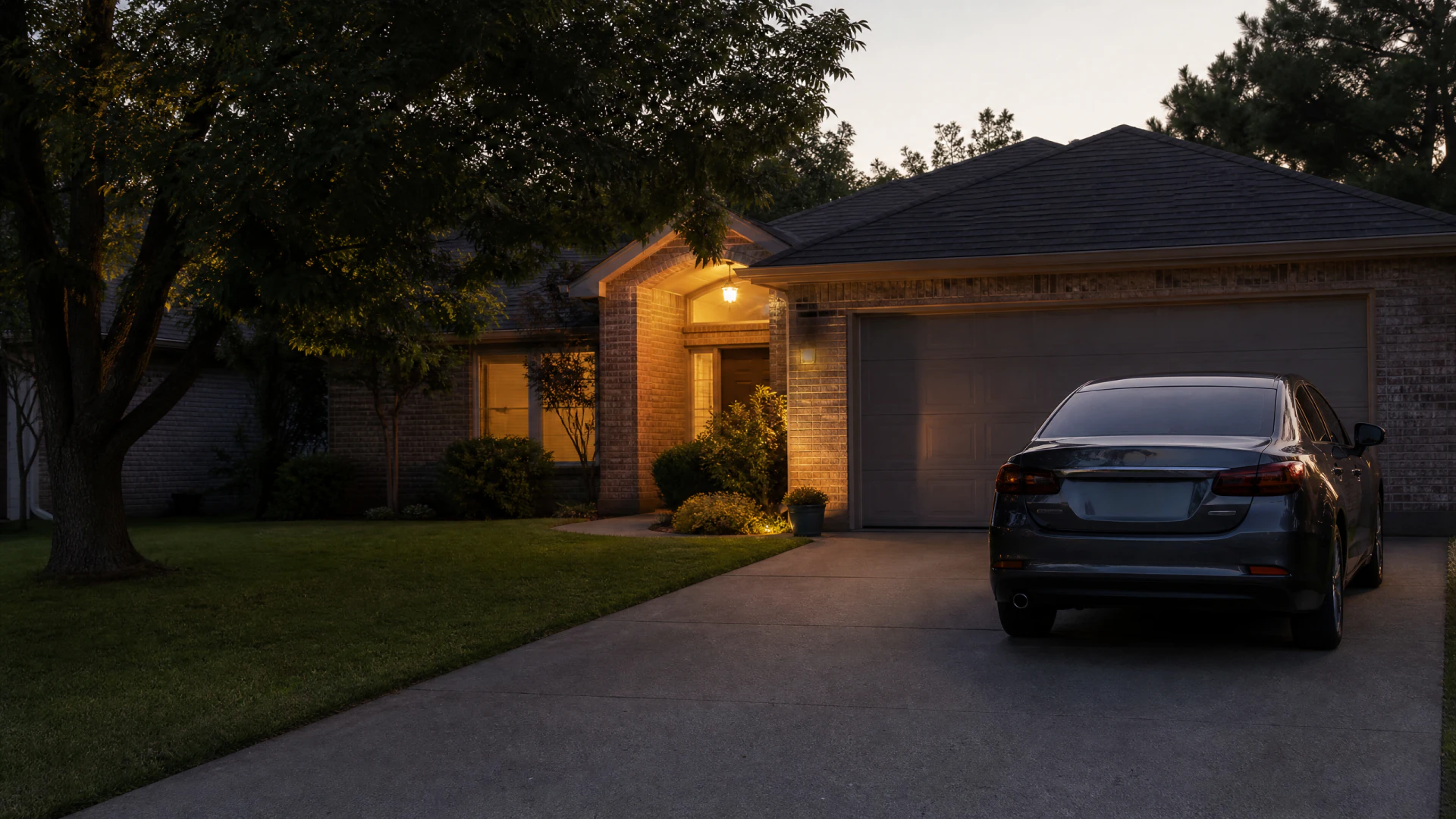
Say your daughter moved out last year and no longer lives at home, but she's back visiting for a long weekend and asks to borrow your car to see old friends. You say yes. While she's driving, another car backs into her at a parking lot. She's not at fault, but the question of whose insurance responds comes up right away.
Because you gave her permission and she doesn't live with you anymore, your policy is typically the one that applies first, since insurance usually follows the car itself. Your insurer handles the claim as if you were driving, checks whether she's listed anywhere as a driver, and confirms this was occasional use rather than a regular pattern. The other driver's insurance may also get involved since they caused the accident. In the end, your policy covers the car as expected, and the situation reinforces why it mattered that you'd already told your insurer she sometimes borrows it when she visits.
Does my policy still cover my child once they move out and get their own car?
Once your child has moved out and gotten their own car, your policy generally stops being the main one responsible for their driving. At that point they typically need their own policy, since insurers expect coverage to follow where someone lives and what they regularly drive.
Your policy can still apply in specific moments, like when they're visiting and borrow your car with your permission. But their everyday driving, in their own car, usually falls to their own coverage. The clearest way to know where you stand is to tell your insurer the full picture, including where your child lives now and what they drive, and ask directly whether they still need to be listed on your policy.
Now that you know whose policy covers your child's driving, compare quotes to make sure your coverage still fits.

Should I remove my adult child from my policy once they move out?
Usually yes, once they live elsewhere and no longer drive your cars regularly, but timing matters. Removing them too early, while they're still using your car often, can leave gaps. Tell your insurer the real situation, including how often they visit and drive, and let the insurer tell you when removal makes sense rather than guessing on your own.
Does it cost more to let my child drive my car occasionally without listing them?
It depends on your insurer and state rules around occasional versus regular use. Some insurers are fine with occasional, undisclosed use by a resident relative or visiting child. Others want anyone who drives with any regularity listed, even if infrequent. Ask your insurer directly what threshold they use so you're not guessing wrong in a claim.
What happens to my rates once I remove a driver and an unused car?
Rates typically drop when you remove a driver who no longer lives with you or a car that's rarely driven, but how much depends on your insurer and your full policy. The best way to know is to ask your insurer to recalculate with the changes you're considering, then compare that new quote against what you're paying now.
Stop assuming your policy quietly covers anyone who drives your car. Permission and residency decide that.