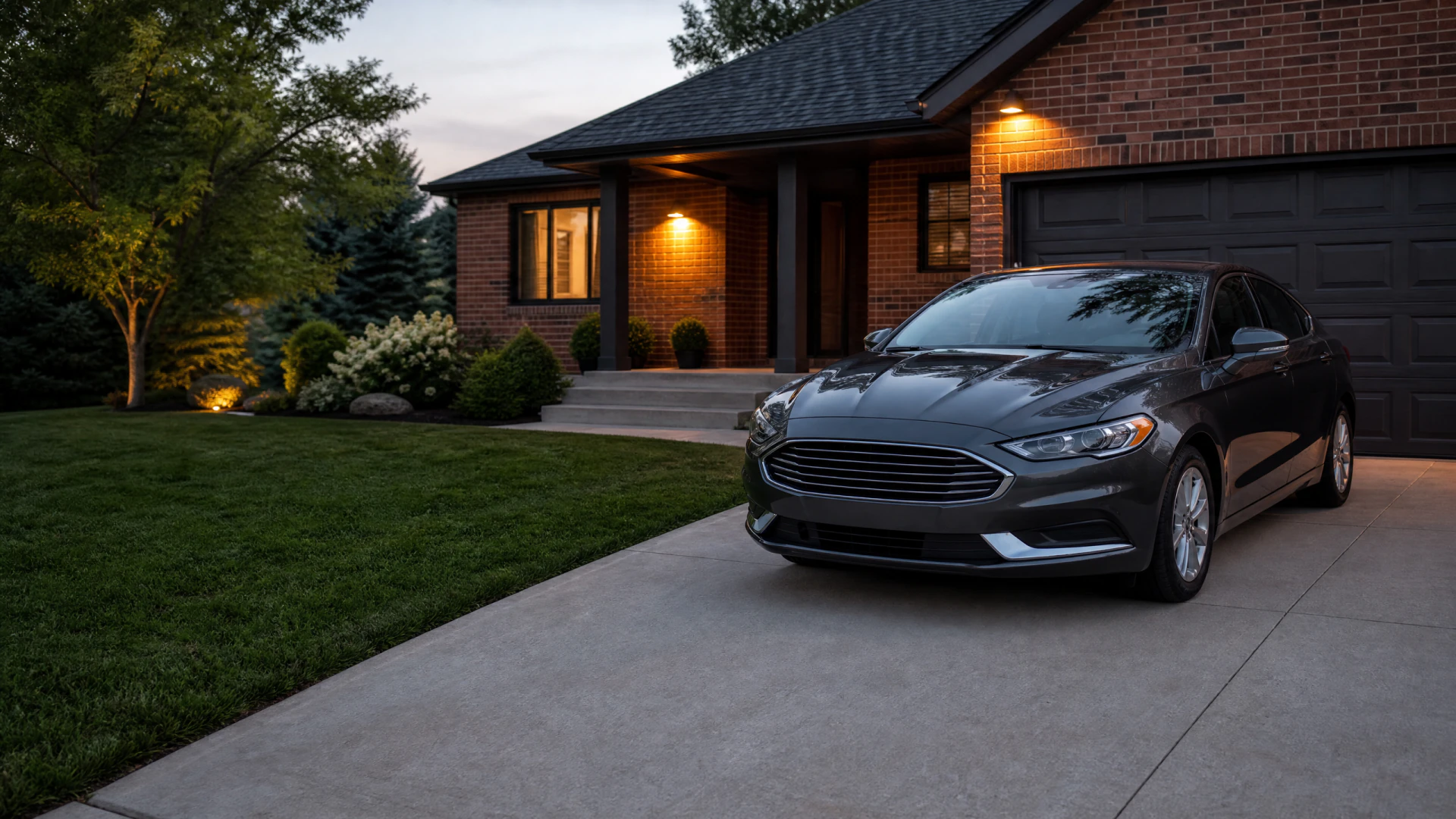
How Does Non-Owned Auto Insurance Work
Non-owned auto insurance covers a driver without a car of their own, not a vehicle already sitting in your driveway.
It covers the driver, not the car, and that distinction matters
Non-owned auto insurance exists for situations where someone regularly drives a vehicle that isn't theirs and isn't insured under any policy they're on. It fills the gap so that person has liability coverage when they borrow or rent a car. What it does not do is cover a specific vehicle. If a car is sitting in your driveway, registered and available for regular use, that car needs its own policy regardless of who's driving it.
This is why it rarely fits the situation of an adult child who comes home and drives a car that already belongs to you or is still parked at your house. That car already needs coverage because it exists and is driven, whether by them or by you. Non-owned coverage is built for people who don't have a car at all, like someone who drives a company vehicle for work but owns nothing themselves, or an adult child who moved out, has no car, and occasionally borrows a rental.
Where it does apply to your situation is the reverse case. If your adult child moved out, bought their own car, and insured it themselves, but still drives your car on visits home, your own policy's permissive use rules usually cover that without any extra step. Non-owned coverage would matter more for your child's policy if they sometimes drive a borrowed or rented car and own nothing themselves.
States and insurers differ on how permissive use is defined and how long a visiting driver can use a vehicle before they're expected to be listed. Ask your insurer directly what their threshold is, since this is the detail that actually decides whether you need to change anything.
The short version
Non-owned auto insurance covers a driver, not a car, so it matters most for someone who owns no vehicle but occasionally drives one. For your household, the car in the driveway needs its own policy either way. Ask your insurer how long a visiting adult child can drive your car before they need to be added.

A grown child visiting and driving the family car
Say your daughter moved out two years ago, has her own car and her own policy, but comes home every few months and borrows your car for a week at a time. You've wondered whether you need to add her to your policy for those visits or get some separate coverage for her.
You called your insurer and asked directly. They explained that occasional, permitted use by a listed household member's adult child is covered under your existing policy's permissive use terms, as long as it stays infrequent and short. Since she has her own car and her own insurance the rest of the time, nothing needed to change. You kept your policy as is, and the only thing you confirmed was the exact point at which 'occasional' would stop applying, so you'd know if her visits got longer or more frequent.
Now that you know what actually needs coverage, compare quotes to match your policy to the household you have today.

Should you add non-owned coverage for a visiting adult child
If you do
You pay for coverage that mostly duplicates what your policy's permissive use already provides, since the car itself is already insured. It only adds real value if your child drives other unowned or rented vehicles elsewhere and needs their own standalone protection for that.
If you don't
You rely on your existing policy's permissive use rule, which almost always covers occasional driving by a visiting adult child. You save the extra cost, but you should confirm with your insurer exactly how often or how long she can drive before she needs to be listed.
Does my adult child need their own car insurance policy now?
Yes, once they have steady access to a car that isn't already insured under your policy, whether they bought it or it's effectively become theirs to drive full time. The deciding factor isn't age or where they live, it's whether a vehicle exists that nobody's policy currently covers.
If they moved out and took a car with them that's still on your policy, that's the clearest sign to separate it out, since insuring a car at an address where you can't confirm how it's driven gets complicated and can affect claims. If they moved out with no car and just visit to borrow yours occasionally, your policy likely still covers that under permissive use, and nothing needs to change yet.
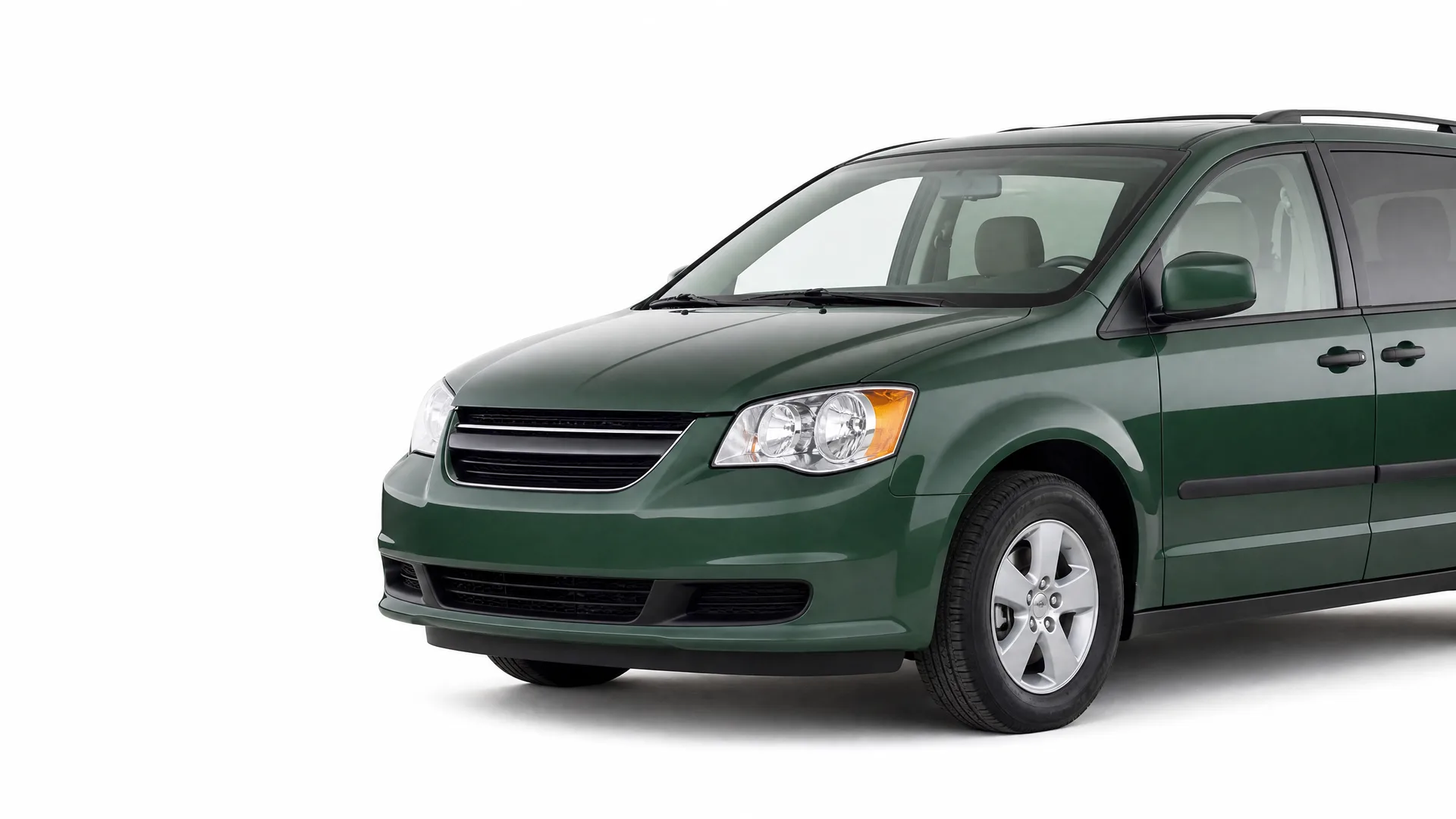
The real question isn't who's listed as a driver, it's which cars at which addresses need their own policy.