How Insurers Rate Older Couples on Car Insurance
Insurers rate you mainly on who drives, what they drive, and how clean your records are, not on your age alone.
What actually moves your rate now
- Driver list Every listed driver affects the price, even one who rarely drives. Remove anyone who no longer lives there or drives your cars regularly.
- Vehicle use A car that mostly sits still can often be rated for lower mileage. Tell your insurer how each car is really used so you're not paying commuter rates for a driveway car.
- Clean history credit Years without claims or tickets usually unlock better pricing than when the house was full. Ask directly whether you're getting full credit for that record.
- Bundling and loyalty Combining home and auto, or staying with one insurer a long time, can help or quietly cost you. Compare that bundled price against separate quotes to be sure.
- Coverage levels Old coverage limits may have been set for a bigger household and more risk. Revisit how much liability and collision coverage still makes sense for your cars now.
Will removing my adult child from the policy actually save money?
Usually yes, but only if they're not driving your cars anymore. Insurers price a policy based on who might realistically get behind the wheel, so a driver who's moved out and has their own car and insurance no longer belongs on your policy.
The savings depend on how much that driver was adding to the cost in the first place. A young driver with a clean record might have added less than one with a rougher history. Either way, once they're off, the price should reflect a smaller, lower-risk household.
The exception is if they still drive your car sometimes, like when visiting. In that case, talk to your insurer about how occasional use is handled rather than removing them outright, since the rules on this vary by insurer.

Once you know who belongs on your policy, compare quotes to see what a right-sized policy should cost.
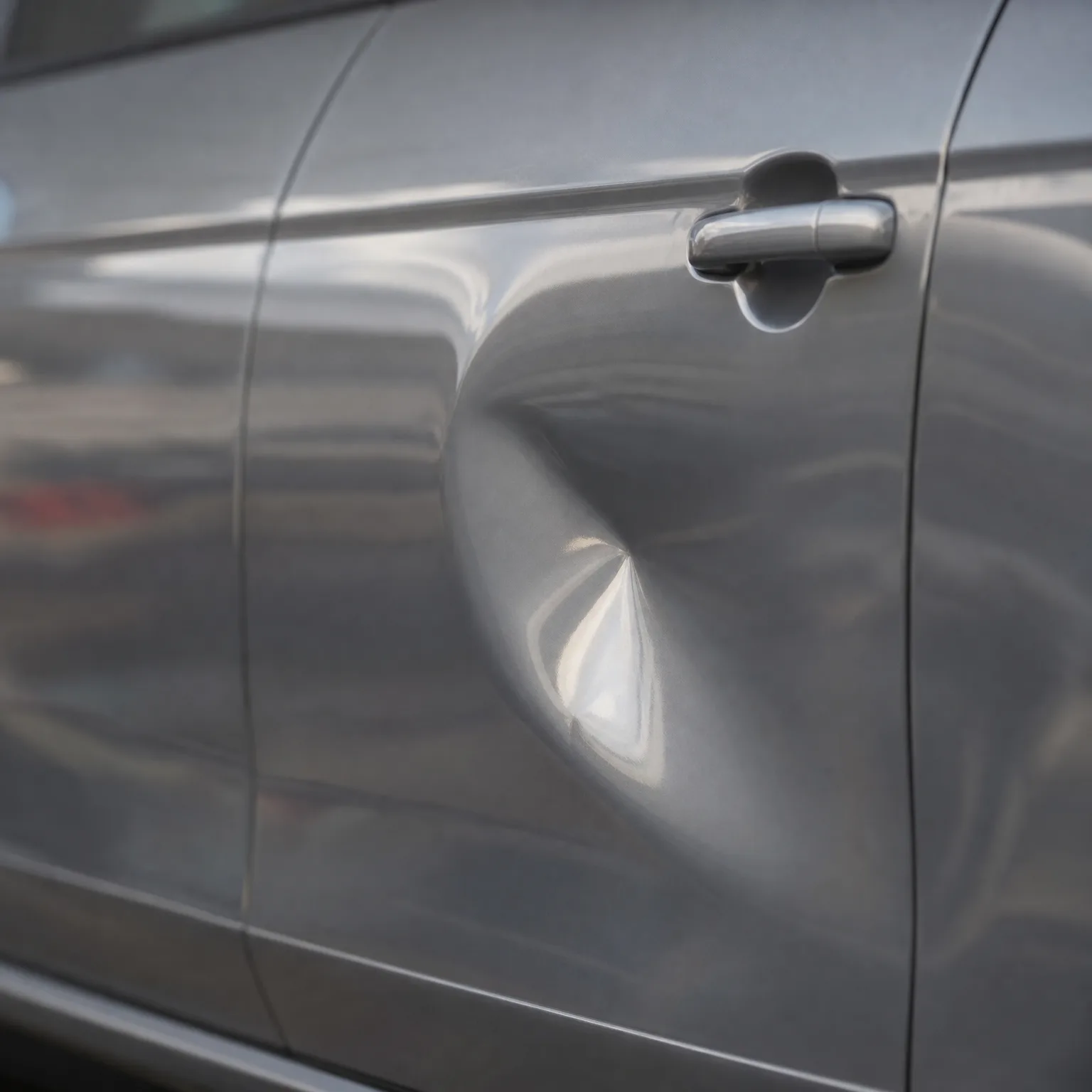
When the extra car became the real cost
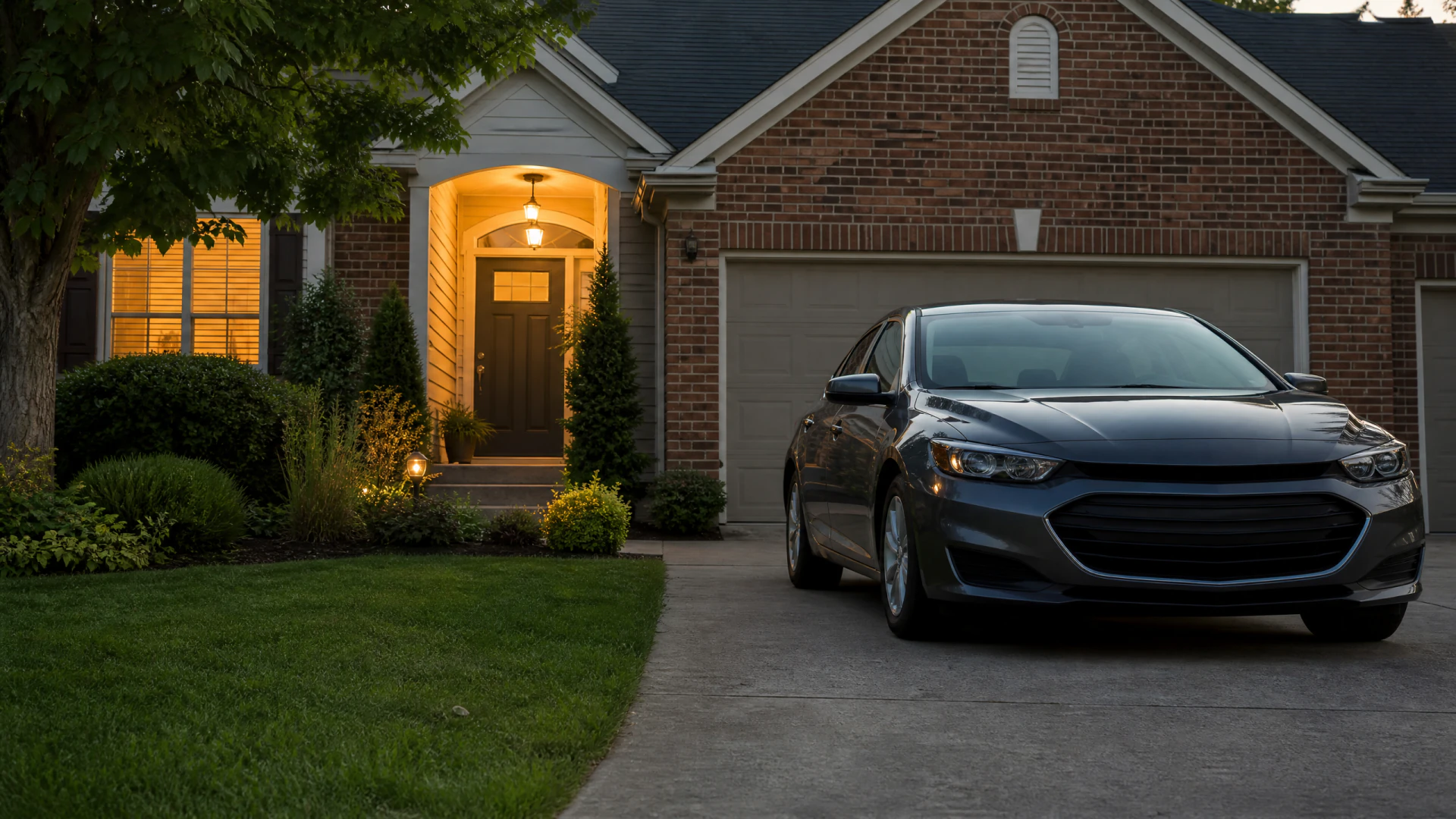
A couple in their mid-fifties still had their son listed as a driver two years after he moved out and bought his own car with his own insurance. They also still had his old car sitting in the driveway, insured as if it were driven daily. They assumed the price would have dropped on its own by now, but it hadn't moved much because nothing on the policy had actually changed.
They called their insurer, removed their son as a listed driver, and confirmed he had coverage elsewhere, which matters since an uninsured driver connected to your address can cause problems later. They also reclassified the extra car as rarely driven and listed it mainly for occasional errands. The price dropped noticeably once both changes were made, not because they'd aged into a better rate, but because the policy finally matched how they actually lived. They kept that policy another year, then compared quotes anyway, just to confirm they weren't missing a better price elsewhere.

Your price reflects what's on the policy, not your age, so the policy has to catch up to your life.
Should my adult child get their own car insurance policy now?
Yes, once they have their own car, their own address, or drive regularly somewhere other than your home, they usually need their own policy. Staying on yours made sense when they lived with you and shared your cars. Once that's no longer true, their own policy will price their actual risk instead of blending it with yours. Check with your insurer about the point at which they're required to have separate coverage, since that line can vary by insurer and by state.
What happens to insurance when my child visits and drives my car?
Most policies cover occasional drivers like a visiting child without adding them permanently, as long as it's infrequent and not a regular pattern. Problems come up if the visits turn into weeks at a time or a regular arrangement, since that starts to look like regular use. Ask your insurer how they define occasional versus regular use, because that threshold determines whether you need to add the child back temporarily.
Is it worth shopping around after removing drivers from my policy?
Yes, because insurers price risk differently, and the company that was competitive for a full household isn't always competitive for a smaller one. Once your driver list and vehicle use are accurate, get a few quotes to compare against your current renewal price. Do this especially if you haven't shopped in several years, since your insurer's pricing model may have shifted too.