How to Insure a Car That Is Rarely Driven
Insure a rarely driven car by keeping real coverage on it while adjusting the details that are tied to how much it's actually driven.
What to change on a car that mostly sits
- Update the mileage estimate Your premium is partly based on how many miles you drive each year. If that extra car is barely used, tell your insurer so the policy reflects it instead of assuming regular commuting.
- Don't drop liability coverage A parked car can still cause damage, get hit, or get stolen, so liability and basic protection should stay in place. Reducing coverage to save money can cost far more if something happens.
- Review comprehensive coverage If the car is older and low in value, comprehensive and collision are the parts worth reviewing. Liability protects other people and should rarely be the one you cut.
- Check the listed drivers If a driver no longer lives there or doesn't use the car, that affects the rate. Confirm the household list matches who actually drives before assuming the price is wrong.
- Ask about low-mileage options Some insurers offer different pricing structures for cars driven well below average. Ask directly, since this isn't automatic and varies by company.
The short version
Keep the car insured with real coverage, since parked cars can still be damaged or stolen, but update the mileage estimate and household driver list so the price matches actual use. Ask your insurer about low-mileage pricing. Then compare quotes to see if another insurer prices light use better.
The second car that only gets driven on visits home
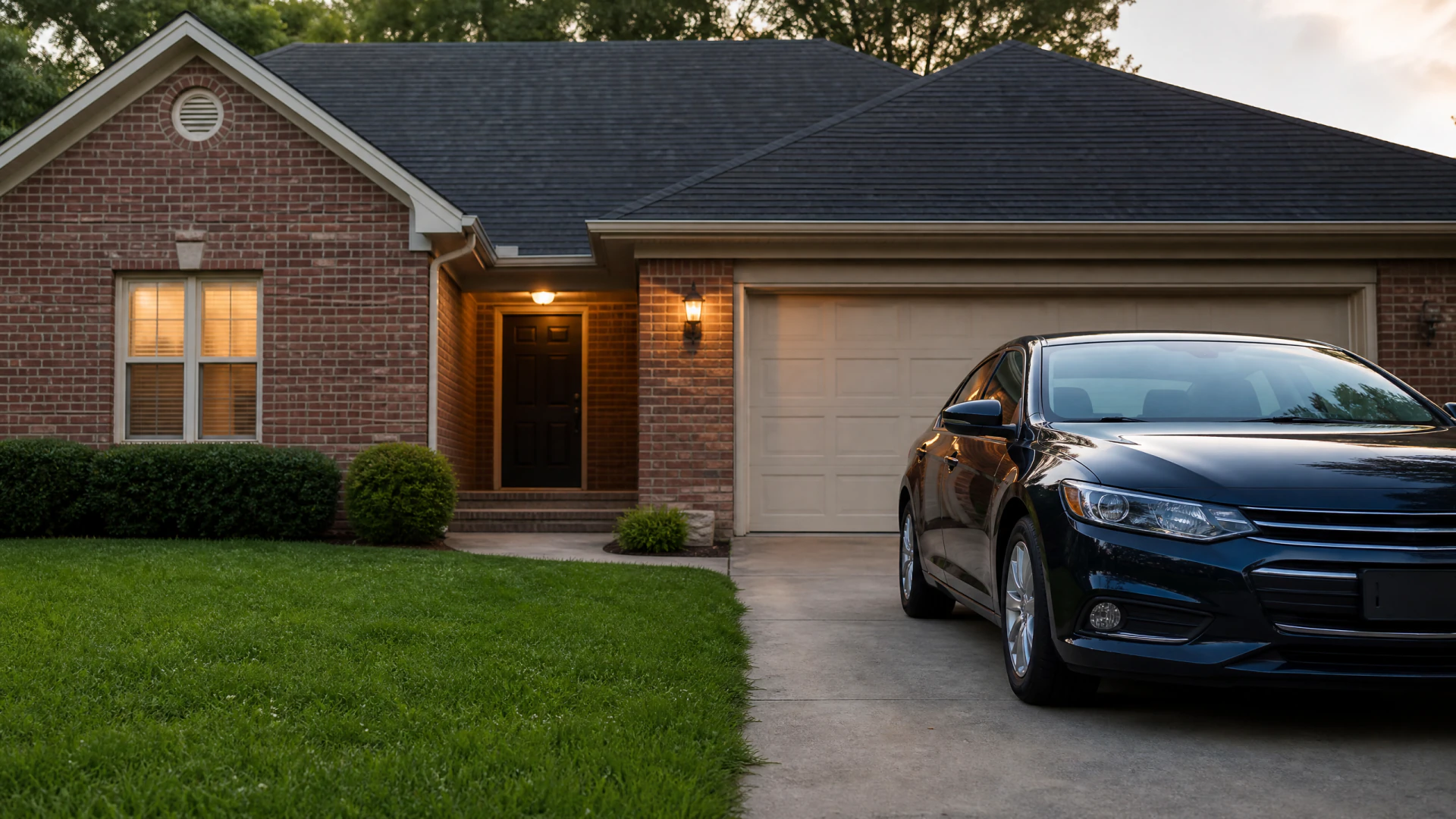
A couple had a car that used to belong to their son. He took his primary car to college but left this one behind for visits. For two years, the policy still listed him as a frequent driver and estimated mileage based on daily use, even though the car sat in the garage most weeks.
They called their insurer, corrected the mileage estimate, and confirmed he was listed as an occasional driver rather than a primary one since he still drove it when he visited. They also looked at whether comprehensive coverage still made sense given the car's age and decided to keep it, since the car still had meaningful value. The premium dropped once the details matched reality, and when they compared quotes elsewhere, one insurer offered an even lower rate for low-mileage use. They switched that one car over while keeping the rest of the policy as is.
Now that you know what to adjust, compare quotes to see which insurer prices a low-mileage car best.

Whether you update the policy for actual use
If you do
You tell your insurer the real mileage and driver situation. Your premium gets recalculated to match how little the car is actually driven, and you may qualify for a low-mileage rate. Coverage stays active in full, so you're still protected if the car is hit, stolen, or damaged while parked.
If you don't
Your insurer keeps pricing the car as if it's driven normally, so you keep paying for mileage and usage that no longer applies. Nothing about your coverage changes, but you're likely paying more than the car's actual use justifies, sometimes for years without noticing.
Should I drop the rarely driven car to liability only?
Not automatically. Dropping comprehensive and collision makes sense mainly when the car is old enough that its value is low compared to what that coverage costs. If the car still has real value, keeping comprehensive protects you against theft, fire, weather, or vandalism, all of which can happen to a parked car just as easily as a driven one.
The decision depends on the car's value, not how often it's driven. A rarely driven car isn't a safer car to underinsure, since it can still be stolen or damaged sitting still. Check the car's current value and weigh that against the cost of comprehensive coverage before deciding, and reconsider this each year as the car ages.
How often a car is driven changes its mileage rating, not whether it deserves real protection while parked.