How to Save Money on Car Insurance
The biggest savings come from matching your policy to the household you have now, not the one you used to have.
Your rate reflects risk, and your risk already changed
Insurers price a policy based on who drives the cars and how often. A household with a young driver carries more risk than one with only experienced adult drivers, so the price reflects that difference. When a child moves out and stops driving your cars regularly, the risk your policy is actually covering goes down, even if nobody has told the insurer yet.
The savings don't appear automatically. Insurers don't lower your rate because a driver happens to live elsewhere, they lower it because you tell them the driver list and the cars on the policy have changed. That means the update has to come from you, usually with a phone call or a form confirming who lives in the household and who regularly drives each car.
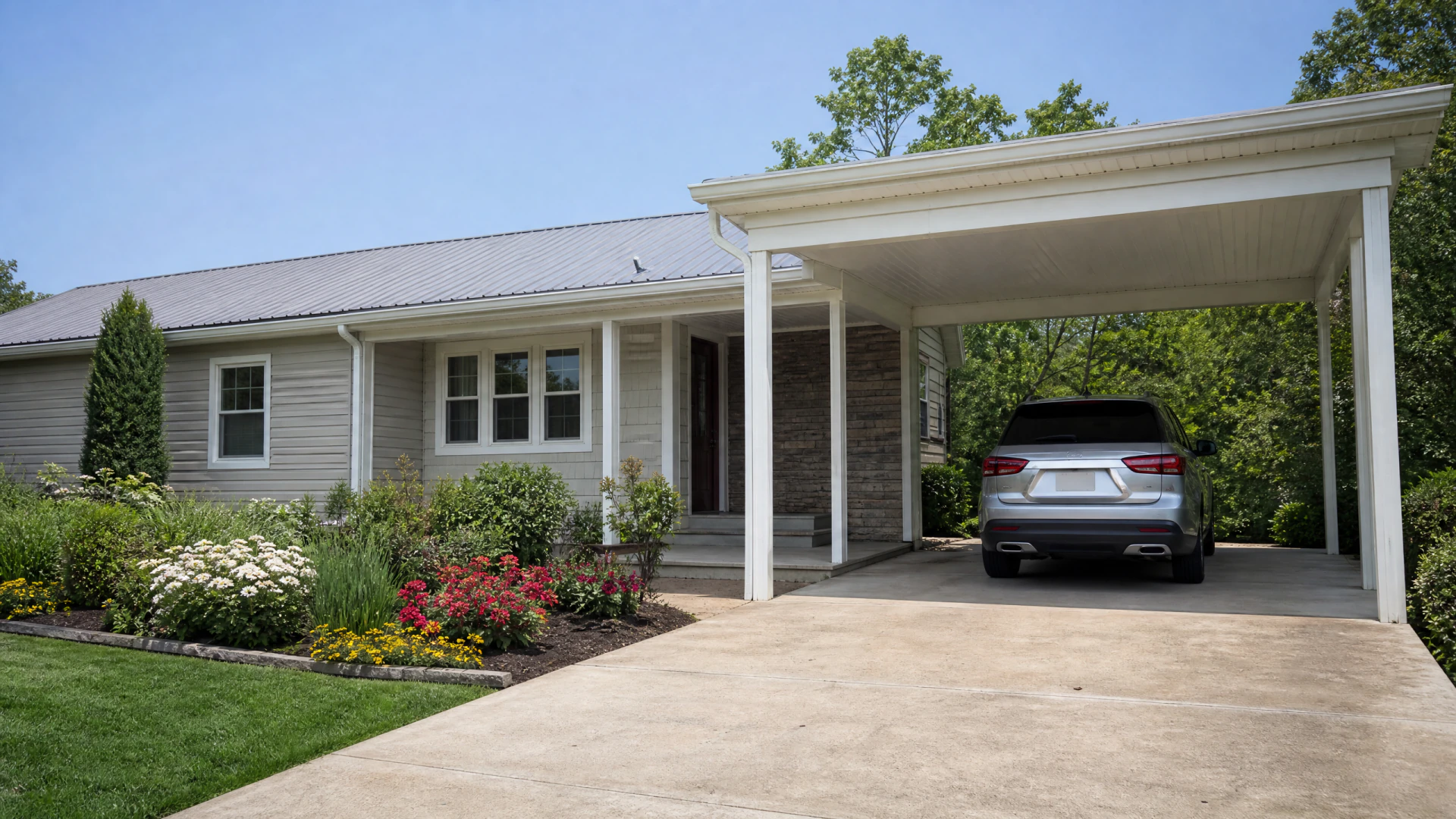
This is also where unused cars quietly cost you. A car that sits in the driveway most of the year may still carry full coverage priced for daily use. Lowering coverage on a car that's rarely driven, or insuring it differently if a family member only drives it occasionally, can matter as much as removing a driver.
What counts as 'moved out' and how a visiting adult child should be handled varies by insurer, and some states have their own rules about who must be listed on a policy. Check your insurer's definition before making changes, especially if your child visits often or still uses a car registered in your name.
A policy built for four drivers and two cars that are mostly idle
A couple had two children on their policy along with three cars, one of which barely left the garage since the youngest left for college. The parents assumed the price had already adjusted on its own. It hadn't. The policy still listed both children as primary drivers on cars they no longer used.
They called their insurer, confirmed both children now lived elsewhere and drove other cars insured under their own names, and asked about the car that sat unused. The insurer removed both children from the policy and adjusted coverage on the idle car to reflect occasional use instead of daily driving. The updated policy covered the same two adults and two actively driven cars, priced for the household that actually existed. They still kept the third car registered in case a child visited and needed it, but confirmed what that would mean for coverage first.

Update the policy now, or wait and see
If you do
You call your insurer, confirm who actually lives in the household, and adjust drivers and coverage on each car. The price reflects your real risk going forward. If a child visits and drives occasionally, you already know how your policy handles that, so there's no confusion later.
If you don't
Your policy keeps pricing risk that no longer exists, so you keep paying for drivers and daily use that ended. If a child visits and gets into an accident while undocumented as an occasional driver, your insurer may question coverage at the worst possible time.
Once you know who and what belongs on your policy, compare quotes to see what that household should actually cost.
Should my adult child get their own policy now?
It depends on where they live and how often they drive your cars. If they've moved out permanently and have their own car, they generally need their own policy, since insuring a car they own under your policy usually isn't allowed and leaves gaps in coverage if something happens.
If they still drive your car regularly, even from a different address, they often still belong on your policy as a listed driver. The line is really about regular access to a vehicle, not just where someone sleeps. If your child visits occasionally and drives your car a few times a year, many insurers have a separate way to note that without a full policy change.
Check with your insurer directly, since the rules about address, ownership and frequency of use vary, and getting this wrong can affect a claim later.

Your policy doesn't update itself. The savings are sitting behind a phone call you haven't made yet.