Is 100/300 Car Insurance Enough for Most People
For most households with fewer drivers and lower risk than a few years ago, 100/300 is a solid, defensible level of coverage.
It matches what a serious accident actually costs you
Liability coverage exists to pay for injuries you cause to other people, not damage to your own car. The two numbers in 100/300 set a per-person limit and a per-accident limit for that kind of claim. A bad crash involving hospital stays or lasting injury can run well past lower limits that used to be common, which is why insurers and agents generally point people toward higher ones now.
What changes the math is how much you have to lose and how much driving risk is actually in your household. A household with two adults, a car or two, and no young or inexperienced drivers carries less exposure than one with a brand-new driver just starting out behind the wheel. If your kids have moved out and aren't regularly driving your cars anymore, your actual risk profile has gone down even if your policy hasn't caught up.
Where this gets less certain is your own financial picture. People with real assets to protect, a paid-off house, savings, retirement accounts, sometimes carry higher limits or add an umbrella policy on top, because a judgment against you in a serious crash can reach beyond your auto policy. People with fewer assets to protect have less to gain from going higher.
State rules also shape this. Minimum required limits vary by state, and some states handle liability differently, including a few no-fault states with their own rules layered on top. Check what your state requires and how your insurer structures its limit options before you assume 100/300 is either overkill or not enough.
The short version
100/300 is enough liability coverage for most households once the driver list has shrunk, especially if you don't have unusual assets or risk. The main thing to check is who's actually listed as a driver on your policy and whether that still matches your household. Update that first, then decide on limits.
A couple whose son moved out and left a car behind
A married couple had their son on their policy for three years while he was in school and living at home. He moved out for a job two states away and took his own car, but an older sedan he used to drive sat in their driveway, still insured, still listing him as a driver. The couple assumed their rate would drop automatically and were surprised when it didn't change.
They called their agent, removed their son as a listed driver since he no longer lived there or drove the car regularly, and reviewed their liability limits at the same time. They kept the sedan but adjusted its coverage since it was now a second car used occasionally rather than a daily driver for a young driver. Their premium dropped, and they decided 100/300 was enough for their liability needs given their assets and the lower risk now that only two experienced drivers were on the policy.
Once you know 100/300 fits your household, compare quotes to see what that coverage actually costs you now.
What actually determines if this is enough for you
- Who's still listed as a driver If your kids moved out, they shouldn't still be listed as regular drivers on your policy. Update the driver list first, since that affects both your rate and what counts as covered.
- How often they visit and drive Occasional visits usually don't require adding them back as a listed driver. Check your insurer's rule on how many days or how often triggers a requirement to add someone.
- What an accident could cost you Higher limits matter most when you have real assets, savings, home equity, retirement funds, that a lawsuit could reach. If you have little to protect beyond the policy itself, the case for going higher is weaker.
- Whether you need that extra car A car nobody drives regularly is a cost without much benefit. Decide whether to keep it insured as a secondary vehicle, sell it, or hand it to whoever uses it.
- What your state requires Minimum limits and liability rules differ by state, and some states add their own layer on top. Check your state's specific requirements before assuming your current limits are standard or sufficient.
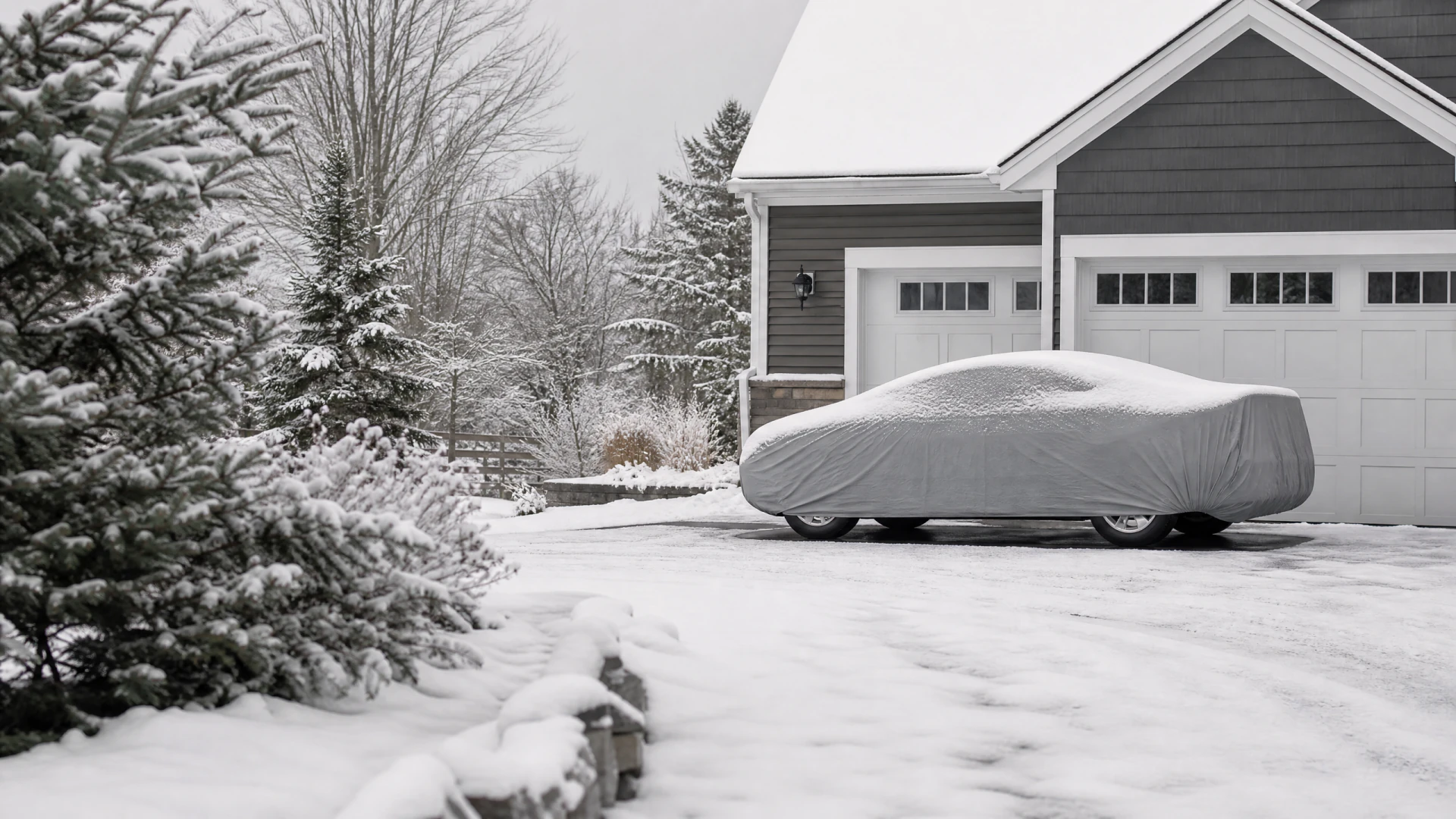
When should my adult child get their own car insurance policy?
Generally once they've moved out and live somewhere else regularly, even if they visit often. Staying on your policy made sense while they lived with you and drove your cars day to day, but once they have their own address and their own car, insurers usually expect them to carry their own policy. Check your insurer's specific rule on residency and driving frequency, since a short-term move or a temporary address might not trigger this yet. If they're still financially tied to your household in other ways, that doesn't change the insurance answer.
Do I need to add my kid back if they visit and borrow the car?
Usually not for occasional, short-term use, but check your policy's exact language. Most insurers cover someone driving your car with permission even if they're not listed, as long as it's infrequent. The risk comes from unclear or extended patterns, like a kid who visits for a month every summer and drives regularly during that time. If visits are frequent or long, call your insurer and ask directly rather than assuming you're covered, since this is one of the areas that varies by company.
Should I drop a car we barely drive anymore instead of insuring it?
It depends on whether you still need it for backup, guests, or occasional use, not just how often it's driven. A rarely used car can often be insured more cheaply under a reduced-use or secondary classification rather than dropped entirely. Selling it makes sense if it's costing you in maintenance and registration without real benefit. Check with your insurer about how they classify low-mileage vehicles before deciding, since the discount for infrequent use might make keeping it worthwhile.