Is 30-60-25 Coverage Enough
For most drivers 30-60-25 is the legal minimum, not a real safety net, and it can leave you paying out of pocket after a serious accident.
A fender bender that became a real bill
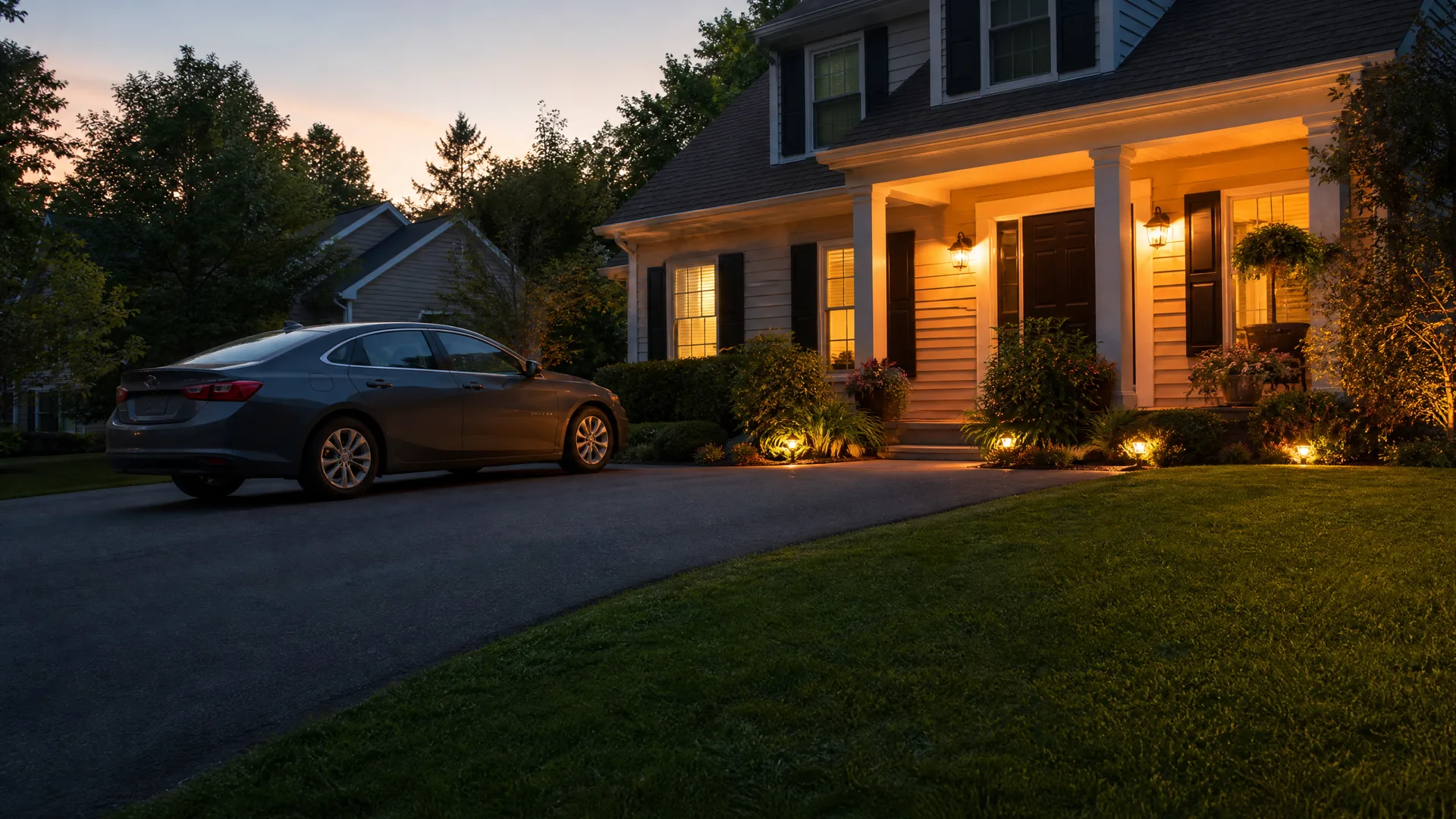
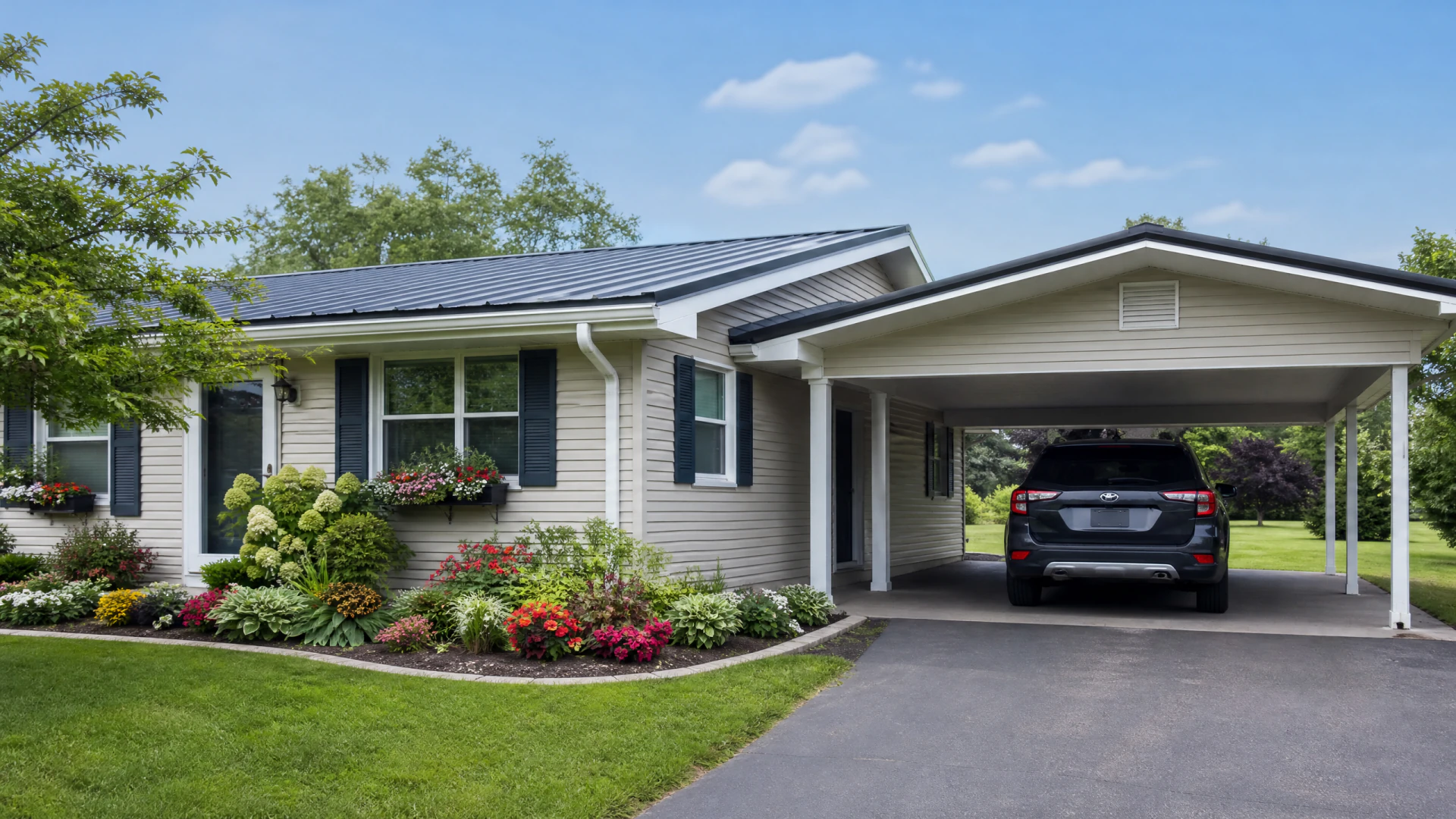
A driver backs out of a driveway and sidesweeps a parked SUV, then clips the mailbox post on the way. The SUV needs a new door and bumper, the post needs replacing, and the body shop estimate comes in higher than expected once paint and labor are added up. The 25 limit for property damage covers the post easily but falls short on the SUV repair.
The driver's policy pays out the 25 limit and stops there. The difference comes straight from the driver's own pocket, because the other car's owner is owed the full repair cost regardless of what the policy covers. This is the scenario that catches people off guard, not a highway pileup but an ordinary driveway mistake that happens to hit an expensive car.
What happens if a claim costs more than my limits?
You become personally responsible for the difference. The insurance company pays up to your policy limit and then stops, and the person you hit, or their insurer, can pursue you directly for the remaining balance through negotiation or a lawsuit.
This is why limits matter more than people expect. It is not about whether you caused damage, it is about whether your coverage matches what that damage typically costs in your area. If you have savings, a home, or wages that could be garnished, that is what's actually at risk when a limit runs out.
The real question isn't the average claim, it's whether these limits cover what you personally have to lose.
Once you know what limits actually fit your risk, compare quotes to find that coverage at a fair price.
What to check before you decide this is enough
- Your state's minimum 30-60-25 is above the legal floor in some states and exactly at it in others. Check your state's actual required minimum so you know if you're already choosing to carry extra.
- Cost of local vehicles Property damage limits need to match what cars actually cost to repair where you live. Look at average repair costs for common vehicles near you, not just your own car's value.
- Your assets at risk Liability limits protect what you own, not just what you drive. If you have savings or equity in a home, low limits leave more of that exposed in a lawsuit.
- Umbrella policy eligibility Many insurers let you add extra liability protection on top of these limits for relatively little cost. Ask whether you qualify and what it would take to raise your limits instead.
- State rules on excess judgments Some states allow wage garnishment or liens after an uncovered judgment, others limit how aggressively this can be pursued. Check your state's rules so you understand what's actually on the line.
Why minimums exist but rarely match real risk
Liability minimums are set by state lawmakers as a baseline, not as a recommendation. They're designed to ensure some compensation exists after an accident, not to reflect what accidents actually cost. That's why the same 30-60-25 can feel adequate in one state and thin in another, depending on local medical costs, vehicle prices, and legal norms.
The split structure itself tells you something important. The per-person and per-accident bodily injury limits exist because injuries are unpredictable and can involve multiple people, while the property damage limit is usually lower because, on average, car repairs cost less than hospital stays. But averages don't protect you in the specific accident you happen to have, and a single serious injury claim or a crash involving a newer vehicle can blow past these numbers quickly.
What changes the answer is less about the number itself and more about your exposure. A driver with few assets and an older car has less to protect if a judgment exceeds their limits, because there's less to collect. A driver with savings, equity, or steady income has more to lose, and that's where low limits become a real liability rather than a technicality.
This is also why the same coverage can be fine for one household and risky for another within the same state. It's not about being a worse driver, it's about what you stand to lose if the math goes wrong on a bad day.