Is Car Insurance Invalid if I Do Not Update the Address
Your policy stays valid, but an old address can still cost you money or delay a claim when you need it most.

When an old address almost cost a family their claim
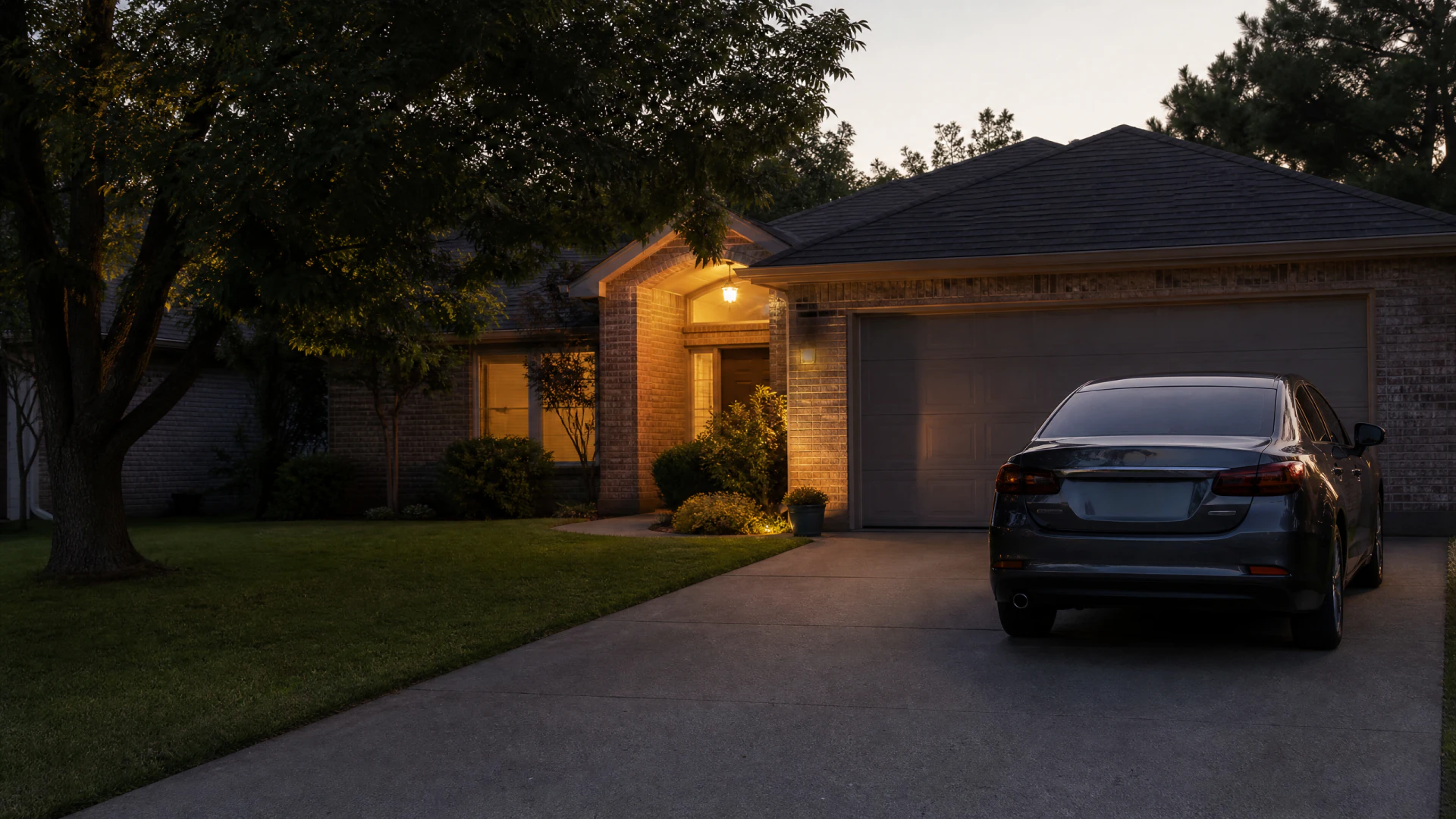
A couple in their fifties had their adult daughter's old apartment listed as her garaging address, months after she moved back home temporarily between jobs. When she was in a fender bender near her parents' house, the insurer asked why the car was garaged somewhere she clearly wasn't living. Nothing was denied, but it triggered extra questions and a delay while they sorted out paperwork to prove where the car actually lived.
The parents called their agent that week and updated every driver's address and the vehicle's garaging location. The agent also caught that one car was now sitting mostly unused in the driveway and could qualify for a lower rate since it wasn't commuting daily. The claim went through fine once the documentation caught up, but the parents realized they'd been paying based on information that hadn't been true for almost a year.

The short version
An unreported address doesn't cancel your coverage, but it can slow down claims and may mean you're paying the wrong rate. The fix is simple: update addresses for your policy, your vehicles, and every listed driver whenever living situations change. Do this now, especially if a kid moved out or came back temporarily.
Does my policy get cancelled if I forget to update an address?
No, forgetting to update an address does not automatically cancel your policy. Insurance stays in force based on your payments and the terms of your contract, not on whether every detail is current.
What can happen instead is friction. If a claim reveals that a driver or vehicle has been living somewhere different for a while, the insurer may ask more questions, request proof of where the car is actually kept, or recalculate your rate going forward. In rare cases, if the gap looks like you deliberately hid something to get a lower rate, it could raise concerns about misrepresentation. That's a different and more serious issue than a simple outdated address, so keeping things current avoids that risk entirely.
Update who's on your policy and where each car lives, then compare quotes to stop overpaying for an old household.
What to check when addresses or living situations change
- Vehicle garaging address This is where each car actually sleeps most nights, not just the main policy address. If a car moved with your kid, even part-time, tell your insurer so the rate reflects reality.
- Listed drivers still accurate If a child moved out and rarely drives your cars anymore, their status should change. Call your insurer to find out whether they should be removed or just marked as occasional.
- Temporary moves back home If a kid is staying with you again for a while, their address may need to be updated too. Mention any back-and-forth living situation so coverage matches what's really happening.
- Unused cars in the driveway A car that used to be driven daily by a teenager might now sit mostly idle. Ask about adjusting mileage estimates or usage type to reflect how little it's driven now.
- State rules on reporting changes Some states and insurers have specific timeframes for reporting address changes. Check your policy documents or ask your agent what your state requires.
Do I need to remove my child from my policy once they move out?
Not immediately, and not automatically. If they still drive your cars occasionally, like during visits, many insurers let you keep them listed as an occasional driver rather than removing them completely.
The real trigger for removal is whether they have their own car and their own policy now. If they do, removing them from yours avoids double coverage and keeps your rate accurate. Check with your insurer about how they define occasional versus removed, since the threshold varies.
What happens to coverage when my adult child visits and drives my car?
They're typically still covered under your policy as a permissive driver, as long as they're not a regular resident driving frequently. Occasional use, like a holiday visit, usually doesn't require any changes.
The gray area is frequency. If visits turn into weeks at a time or happen often throughout the year, some insurers want them listed as an occasional or rated driver. Ask your agent where that line falls for your specific policy, since it differs by insurer.
Will my rate go down automatically once my kids are off the policy?
No, rates don't adjust automatically just because a driver moved out. You have to actively tell your insurer to remove them or change their status, and the new rate only applies going forward from that update.
This is exactly why many parents overpay for years without noticing. Call your insurer, confirm who's actually driving each car now, and ask for a rate review based on the current household. If nothing's changed on your end, nothing changes on theirs.