Is Collision Worth It on an Older Car
Drop collision when the car's value falls below roughly what you'd pay in premiums and a deductible over the next year or two.
A family with one teen's old car still on the policy
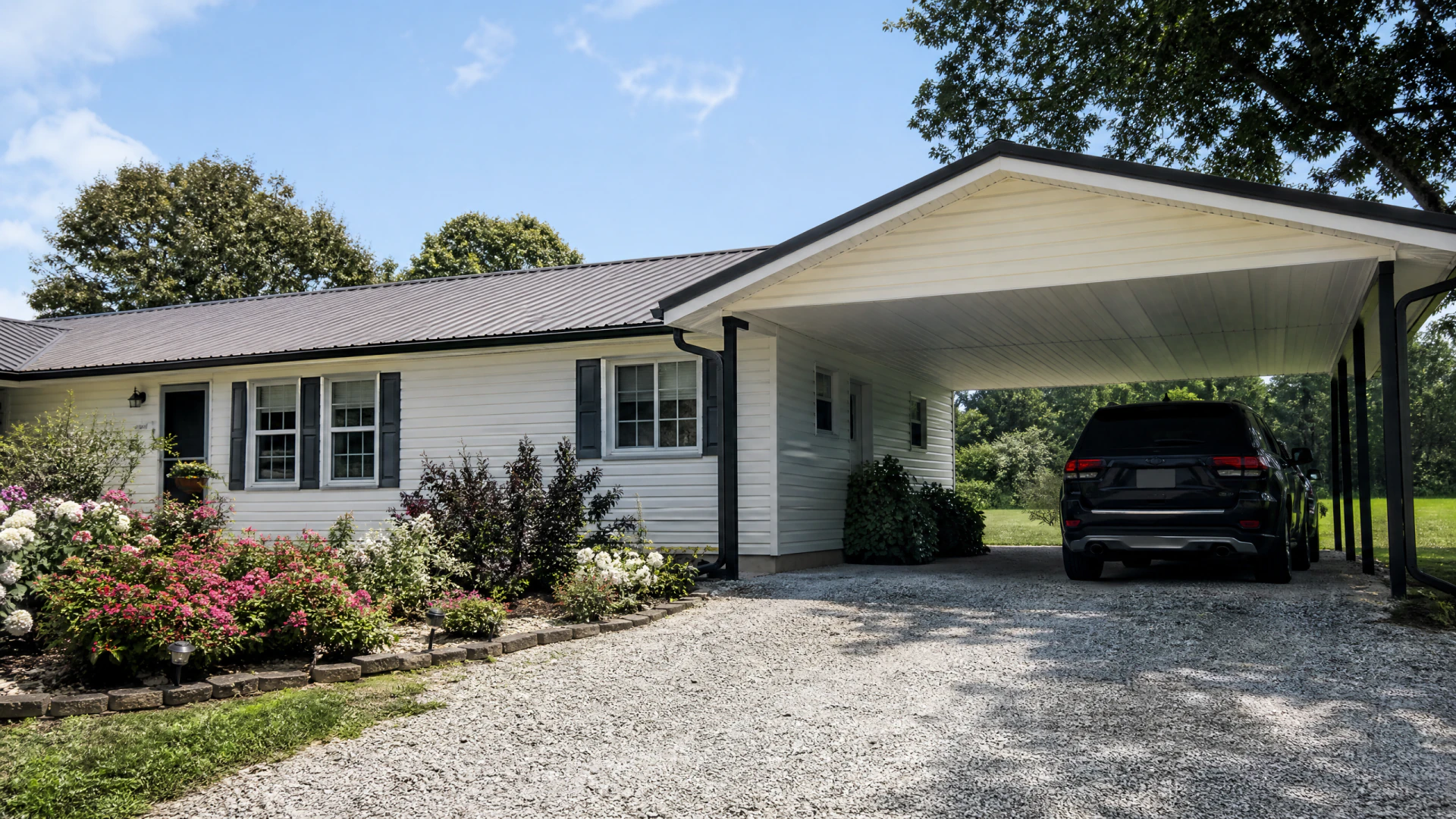
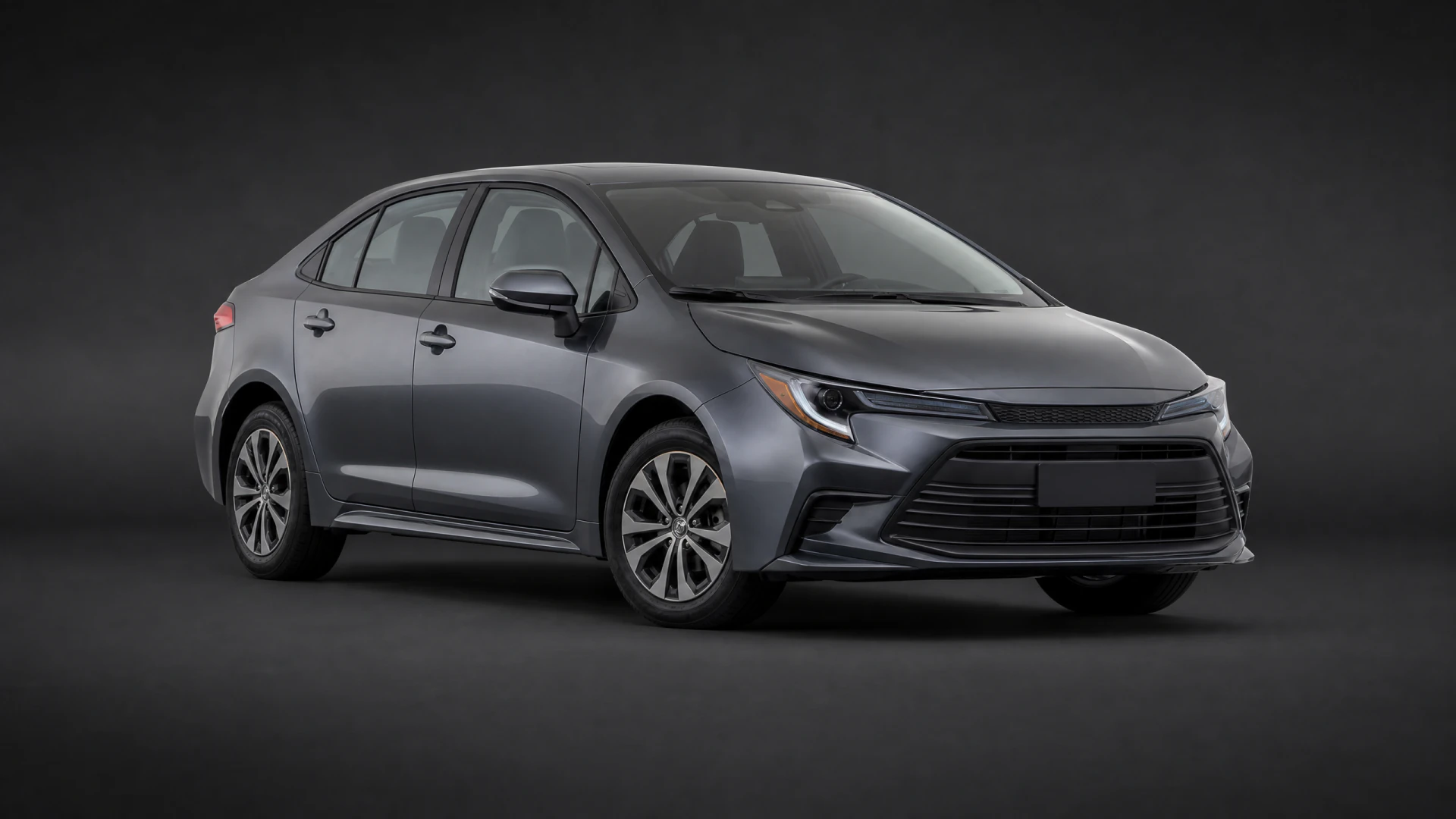
A couple had three vehicles on their policy, their own two cars and an older sedan that used to belong to their son. He'd moved out two years earlier and now drives his own car with his own policy, but the sedan stayed in the driveway as a backup and nobody had re-examined the coverage since he left. The car was worth a modest amount, and they were still paying full collision and comprehensive on it every six months.
They called their agent to ask what the car was worth and what they were paying to insure it against damage. The numbers made the answer obvious: the premium plus deductible over a couple years would come close to replacing the car outright. They dropped collision and comprehensive on the sedan, kept liability since it's still driven occasionally, and kept their son off their policy entirely since he's got his own now. Their bill dropped and they stopped paying to protect a car that wasn't worth protecting.
The short version
Collision makes sense when the payout would meaningfully help replace the car, and stops making sense when the car's worth less than you'd spend insuring it. Check the car's value, compare it to your premium and deductible, and drop collision if the math doesn't hold up. Keep liability regardless.
What if I'm wrong and the car gets totaled next year?
If you drop collision and the car is totaled, you pay out of pocket to replace or repair it, or you go without a car until you can afford to. That's the real tradeoff, not a hypothetical one.
The way to weigh it is to ask what you'd actually do if that happened. If losing the car tomorrow wouldn't change much because you'd just drive one of your other vehicles or do without for a while, the risk is small and dropping collision is reasonable. If that car is the only one left for visiting kids or errands and you couldn't easily replace it, keep the coverage even if the math looks marginal. The right call depends on how much the car matters to your daily life, not only on what it's worth on paper.
Once you know which cars still need collision, compare quotes to avoid overpaying for coverage you keep.

What to check before you decide on each car
- Look up actual cash value This is what the insurer would pay if the car were totaled, not what you paid for it or think it's worth. Get a real estimate before deciding anything.
- Add up premium plus deductible Multiply what you pay for collision and comprehensive by a year or two, then add your deductible. Compare that total to the car's value.
- Rarely driven versus unused A car driven occasionally still needs liability coverage. A car that's truly parked and unused might be better off dropped from the policy or insured differently.
- Visiting kids who still drive it If an adult child drives this car when they visit, that affects whether you keep it insured and how. Ask your insurer how occasional visiting drivers are handled.
- Re-rate every car on the policy Removing a young driver changes the rate for every car, not just theirs. Ask your insurer to re-run the numbers car by car instead of assuming one flat drop.
This isn't about the car's age, it's about whether it's worth more than it costs to insure against damage.
Should I remove my adult child from my policy if they still visit sometimes?
Not automatically. If they visit occasionally and drive your car a few times a year, many insurers have a way to note that without keeping them as a full-time listed driver, which usually costs less. If they visit often or for extended stretches, some insurers want them listed regardless. Call your insurer, describe how often and how long they drive your cars, and ask specifically how that situation is handled, since this varies by company.
Does my adult child need their own policy once they move out?
Yes, once they have their own car and address, they generally need their own policy, separate from yours. Some insurers allow a grace period right after a move before requiring this, so ask what your insurer's timeline looks like. If they don't have a car of their own and only drive yours when visiting, they may not need a separate policy yet. The key factors are whether they have a permanent address elsewhere and regular access to a vehicle.
Will dropping collision lower my premium a lot or just a little?
It depends on the car's value and how much of your premium collision and comprehensive make up versus liability. On an older car with low value, collision and comprehensive often make up a real share of that car's premium, so dropping them can matter. Ask your insurer for a breakdown by coverage type for that specific car before deciding, since the answer depends entirely on the numbers for your situation.