Is Gap Insurance a Rip-Off
Gap insurance is worth it only if you owe more on your car than it's worth, which for your household probably isn't the case anymore.
Check these before you decide gap coverage is wasted money
- Check your loan balance Compare what you still owe against what the car is actually worth right now. If the loan is close to paid off or smaller than the car's value, gap coverage isn't doing anything for you.
- Look at who's driving it A car an adult child drives occasionally is still insured under your policy in most cases, so gap coverage tied to that car matters only if there's still a loan on it. A car nobody drives much is a different problem than a gap problem.
- Separate leased from owned Leased cars almost always carry a real gap risk because lease payoffs don't track depreciation the way loans do. Owned cars with small balances usually don't need it.
- Know where you bought it Gap coverage sold through a dealership is often priced higher than the same protection added to your policy. If you still need it, ask your insurer what it costs added to the policy you already have.
- Reassess at loan milestones A car's value drops fastest in its first few years, so gap coverage matters most early in a loan. If your car is older or the loan is well into repayment, the gap has likely already closed.
The short version
Gap insurance isn't a rip-off, but it's only useful when your loan balance is higher than your car's value, which usually fades a few years into ownership. Check your current loan payoff against your car's value before assuming you need it or assuming you don't. If the gap is gone, drop it and ask your insurer to confirm.
A parent reviewing an old lease payment nobody questioned
One parent had been paying for gap coverage on a car bought new four years earlier, added automatically at the dealership when the loan started. Their son had driven it off to college and back a few times, but the loan was now in its final year and the balance was small. The parent assumed the coverage was just part of owning the car and never looked at it again.
When they finally checked the loan payoff against the car's current value, the two numbers were close enough that gap coverage wouldn't have paid out anything meaningful if the car were totaled. They called their insurer, confirmed the coverage could be dropped without affecting anything else on the policy, and removed it. The policy cost dropped a little immediately, and they made a note to check again before adding any new car loan to the household instead of letting it ride for years unexamined.
Compare quotes now that you know whether gap coverage still belongs on your policy.

Why gap coverage matters early and stops mattering later
Cars lose value fastest in the first couple of years you own them, while loan balances drop more slowly at the start because early payments are weighted toward interest. That creates a window where you can owe more than the car is worth. Gap coverage exists specifically to cover that difference if the car is totaled or stolen during that window.
As the loan matures, the balance keeps falling and the car's value decline slows down, so the two lines on the chart move closer together and eventually cross. Once your loan balance is at or below the car's value, gap coverage has nothing left to cover. Paying for it past that point isn't protecting you from anything, it's just an extra cost with no matching risk.
Leases work differently because lease-end payoffs are set by contract terms rather than tracking the car's real depreciation, so the gap can stay open longer or reopen in ways a loan doesn't. That's the main case where gap coverage keeps making sense well past the first couple of years.
The other variable is where you bought the coverage. Dealership-sold gap coverage is often bundled into financing at a higher cost than the same protection bought directly from an insurer, so even when you still need it, you may be paying more for it than necessary. That's worth checking independently of whether you need it at all.
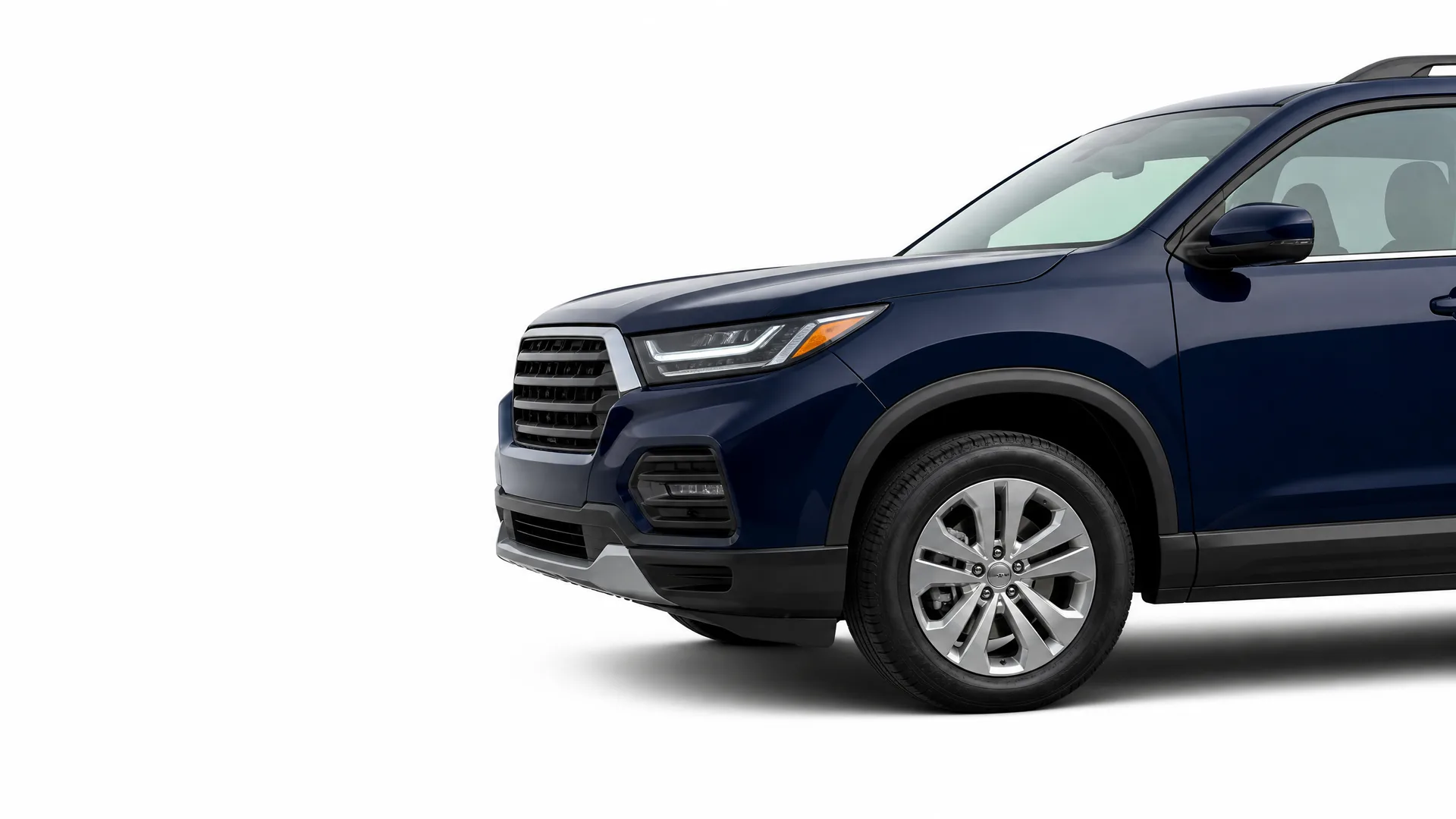
The real question isn't whether gap insurance is good, it's whether you still owe more than the car is worth.