Is It Better to Have Collision or Comprehensive
They aren't alternatives. Collision covers crashes, comprehensive covers almost everything else, and most cars need both or neither.

What each coverage actually protects you from
- Collision covers crashes This pays to repair your car after it hits another car or object, no matter who caused it. If your kid still drives one of the cars sometimes, this is the one protecting against their accidents.
- Comprehensive covers the rest Theft, vandalism, falling branches, deer, fire, flooding. If a car sits in the driveway most of the time, comprehensive is still worth keeping even when collision isn't.
- They're priced separately Dropping one doesn't touch the other. You can keep comprehensive on an older car while dropping collision, which is often the right move once a car's value drops.
- Car value decides the math Once a car is worth little, collision and comprehensive payouts shrink to match it. Check what your car is worth now, not what you paid, before deciding what to carry.
- Lenders can require both If a car is financed or leased, the lender usually requires both coverages until it's paid off. Check your loan terms before dropping either one.

The car that stayed behind when a kid moved out
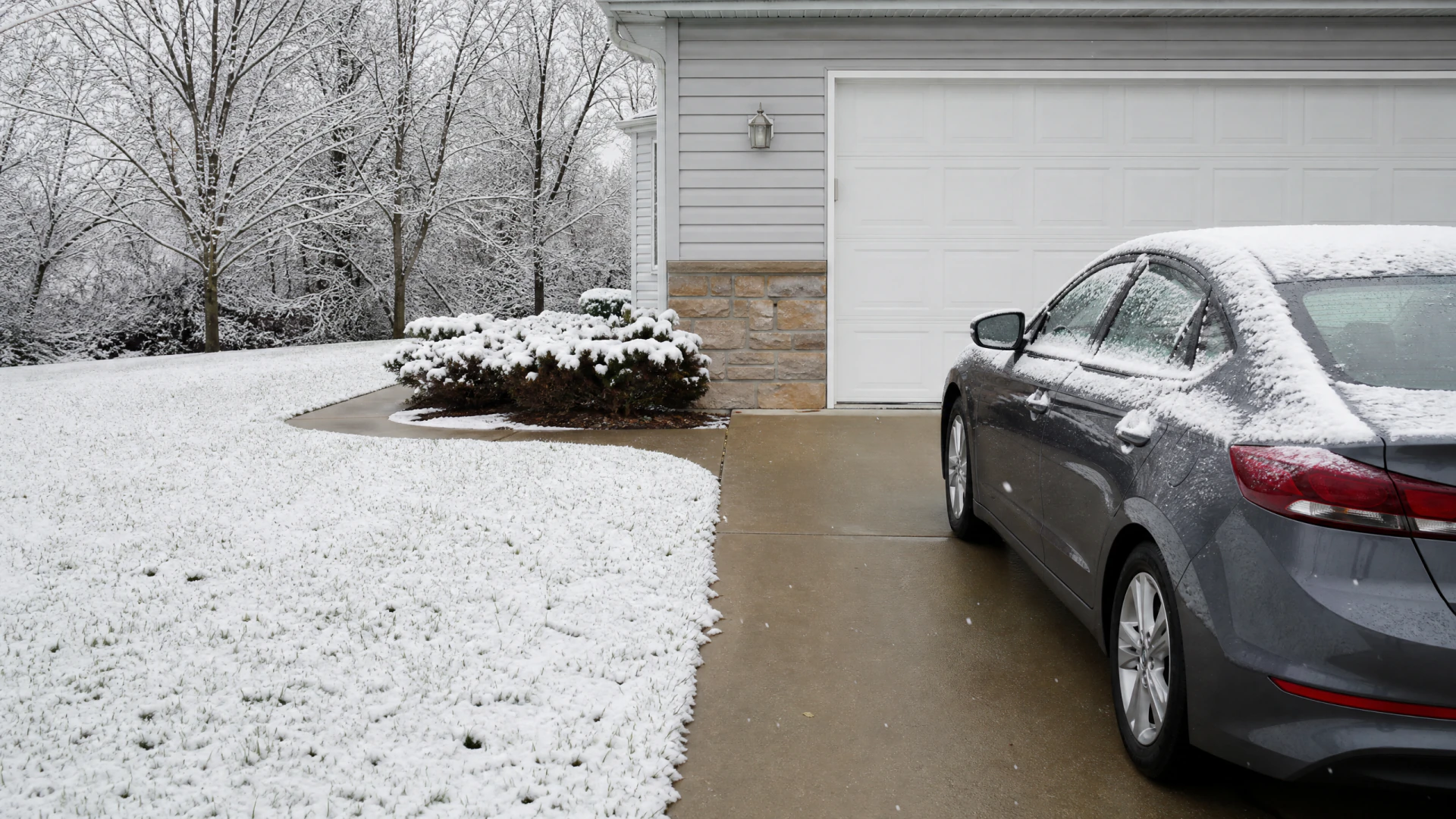
A couple had two kids who'd both moved out, but one left behind the older sedan she used in high school, now parked in the driveway and only driven when she visits. The parents assumed they should drop everything on it since nobody was using it daily. When they looked at what the car was actually worth, it wasn't much, but it also wasn't nothing, and it could still be stolen or wrecked by hail sitting outside.
They dropped collision, since a crash was unlikely with the car barely moving, and that was the more expensive of the two coverages anyway. They kept comprehensive, since the cost was low relative to what the car was worth, and the car was exposed to weather and theft every single day whether anyone drove it or not. When their daughter visited and used the car for two weeks, nothing about the policy needed to change, since she was still listed as an occasional driver. The adjustment matched exactly how the car was actually being used, not how they assumed it was being used before they checked.

Now that you know which coverage each car needs, compare quotes to see what keeping or dropping them actually costs.

Whether you drop collision on an older car
If you do
You stop paying for crash repair on a car that isn't worth much to repair anyway. If it's totaled in an accident, you cover the fix yourself or let it go. Comprehensive still protects it from theft, weather, and anything that isn't a crash.
If you don't
You keep paying for both coverages on a car whose payout is now capped at its low value. You're protected either way, but you're paying a premium that may be close to what the car is worth. It only makes sense if that gap is still small.
Do I need comprehensive if my car is paid off?
No, it's optional once there's no loan requiring it, but that doesn't mean you should drop it. The decision comes down to what the car is worth and what you'd do if it were stolen or damaged by something other than a crash. If you could replace it easily out of pocket, dropping comprehensive saves money. If losing it would be a real financial hit, keep it even without a loan requiring it.
What happens to collision coverage when my kid visits and drives the car?
Nothing changes if they're already listed as a driver on the policy. Coverage follows the car, not just the person driving it, so as long as the car is insured and the driver is permitted to use it, collision still applies. Check with your policy specifically if your child was removed entirely rather than marked occasional, since that's the detail that matters here.
Should I drop collision and comprehensive together or one at a time?
Decide them separately, since they protect against different things and the math for each is different. A car can easily make sense for one and not the other, especially once it's older. Look at the car's value against each coverage's cost on its own before deciding, rather than treating them as a single on-or-off choice.
The real question isn't which coverage is better. It's what each car is worth and how it's actually used now.