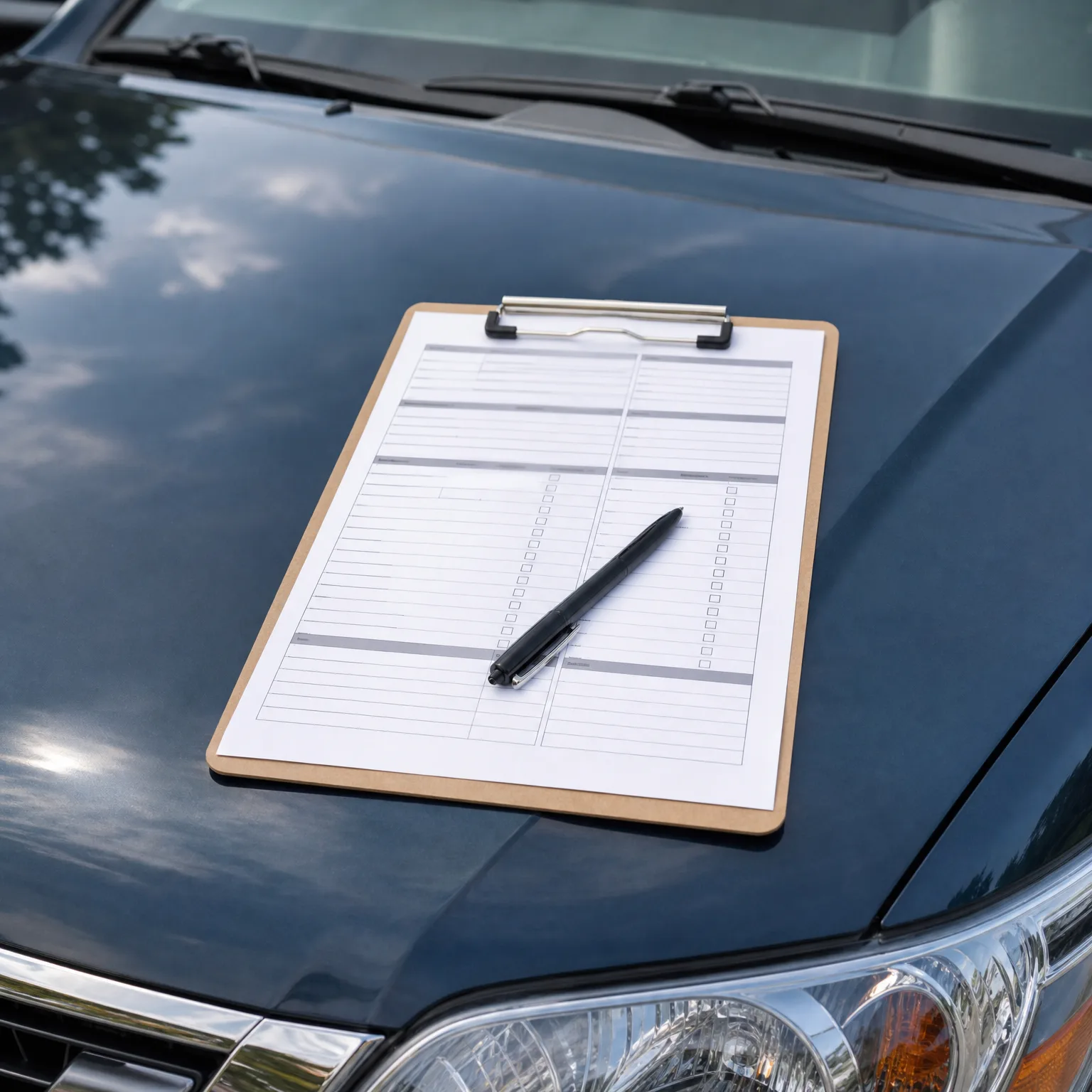
Is It Cheaper to Insure a Car for Work or Pleasure
Commuting to a fixed job usually costs more to insure than driving for errands and pleasure, since it means more miles in traffic.
Insurers price the miles and the risk around them, not the label
Car insurance is priced around how likely you are to file a claim, and how often you're on the road is one of the biggest pieces of that. A car used to commute to a job sits in rush hour traffic on a regular schedule, week after week, for years. That's more exposure to accidents than a car that mostly runs errands or gets driven on weekends, so insurers charge more for it.
This is true everywhere, but how it's defined is not. Some insurers draw the line at a distance threshold, treating anything under a certain commute as pleasure use. Others care only whether the trip is routine and job related, regardless of how far it is. A few ask about rideshare or delivery driving separately, since that's treated as a different category altogether. Check how your specific insurer defines commuting before you decide which box describes your child's car.
Where this gets complicated for your household is that a car doesn't have to be used one way. If your adult child drives it to a job on a regular part of the week and otherwise it sits in the driveway, that's commuting, even if the mileage is lower than you'd expect. If they work from home or don't have a regular job location, pleasure use usually fits better, even if they drive often. The label should match the actual pattern, not how important the trips feel.
The exception that trips people up is short, local commutes. A quick drive to a nearby job can sometimes still qualify as pleasure use under some insurers' definitions, while a longer but infrequent commute might not. There's no universal rule here, which is exactly why it's worth asking directly instead of guessing.

The short version
Commuting usually costs more because it means more frequent driving in traffic, while pleasure use is cheaper because the car is driven less and less predictably. Check how your insurer defines each, since the line isn't always about distance. Then set each car's use to match how it's actually driven, not how it used to be driven.

What decides whether a car counts as commute or pleasure use
- Regular job location If your child drives to the same workplace on a set schedule, that's commuting in most insurers' eyes. Confirm this before assuming a short drive automatically counts as pleasure use.
- How often, not how far Frequency matters more than distance in most definitions. A daily short drive can cost more to insure than a long trip taken occasionally.
- Remote or flexible work If there's no fixed workplace, the car usually qualifies as pleasure use even with regular driving. Update this on the policy if a job situation has changed recently.
- Rideshare or delivery work Driving for pay through an app is treated separately from both commuting and pleasure use. Ask directly if this applies, since it can affect coverage, not just price.
- Mismatched use on file A car marked for pleasure use that's actually commuting can create problems at claim time. Update the use type whenever the pattern changes, not just the driver list.
Once you know how each car is actually being used, compare quotes with that use type set correctly from the start.

Updating how a car's use is classified
If you do
You tell the insurer how the car is actually driven now, commute or pleasure, and the price reflects that. If a driving pattern changed, coverage stays accurate too. It takes one call or a few minutes online, and any savings show up on the next bill.
If you don't
The policy keeps pricing the car as if nothing changed, even if a job ended or a commute stopped. You may be overpaying without knowing it. Worse, if a claim happens during undisclosed regular commuting, the insurer could question coverage based on inaccurate use.
When a commute turned into pleasure use without anyone updating it
A couple had their son's car listed as commuting because he'd driven it to a nearby job for a long stretch. He changed jobs and started working from home, but nobody thought to call the insurer since the car itself hadn't changed and he was still living at home part of the year. The policy kept charging the commuting rate for a while longer before his mother noticed the use type during an unrelated review of the bill.
She called and explained the change, and the insurer adjusted the use type to pleasure after confirming there was no regular commute anymore. The price dropped on the next renewal. The lesson for her wasn't about catching a mistake, it was that use type isn't something insurers track automatically. It only changes when someone tells them, so it's worth checking every time a job or living situation shifts, not just when a driver moves out entirely.
The price follows the driving pattern, not the label, so check that the two still match.