
Is It Okay to Let Someone Borrow Your Car
It's generally fine, because your insurance follows the car, not the person driving it, as long as the driver has your permission.

When a visiting adult child borrows the car for a week
Your son comes home for a week and asks to borrow the car you barely drive anymore, the one sitting in the driveway most days. You say yes, hand over the keys, and don't think much of it since he's not living there and isn't a regular driver on your policy. He uses it to run errands and see friends, puts a few hundred miles on it, then flies back home at the end of the week.
Nothing happens, no accident, no claim, so you never find out whether your insurer would have asked questions. But if he'd been in a crash, your insurer would have looked at how often he drives the car and for how long. A one-week visit with occasional use is exactly the kind of borrowing policies are built for. If he started coming home every month and driving it each time, that pattern would start to look less like a visit and more like regular use, and that's when you'd want to tell your insurer before anything goes wrong.
Does it matter how often someone borrows your car?
Yes, frequency is what separates a favor from something your insurer expects to know about. A single occasion or an occasional visit is normal borrowing, and your policy is built to cover that without any extra step.
The trouble starts when borrowing turns into a pattern. If the same person drives your car regularly, every weekend, every visit home, or for weeks at a time, insurers start to treat them like a driver who should be listed on your policy, not a guest. There's no universal line for how much is too much, and insurers differ on where they draw it, so if borrowing is becoming routine, call your insurer and ask directly. That one conversation protects you far more than guessing.
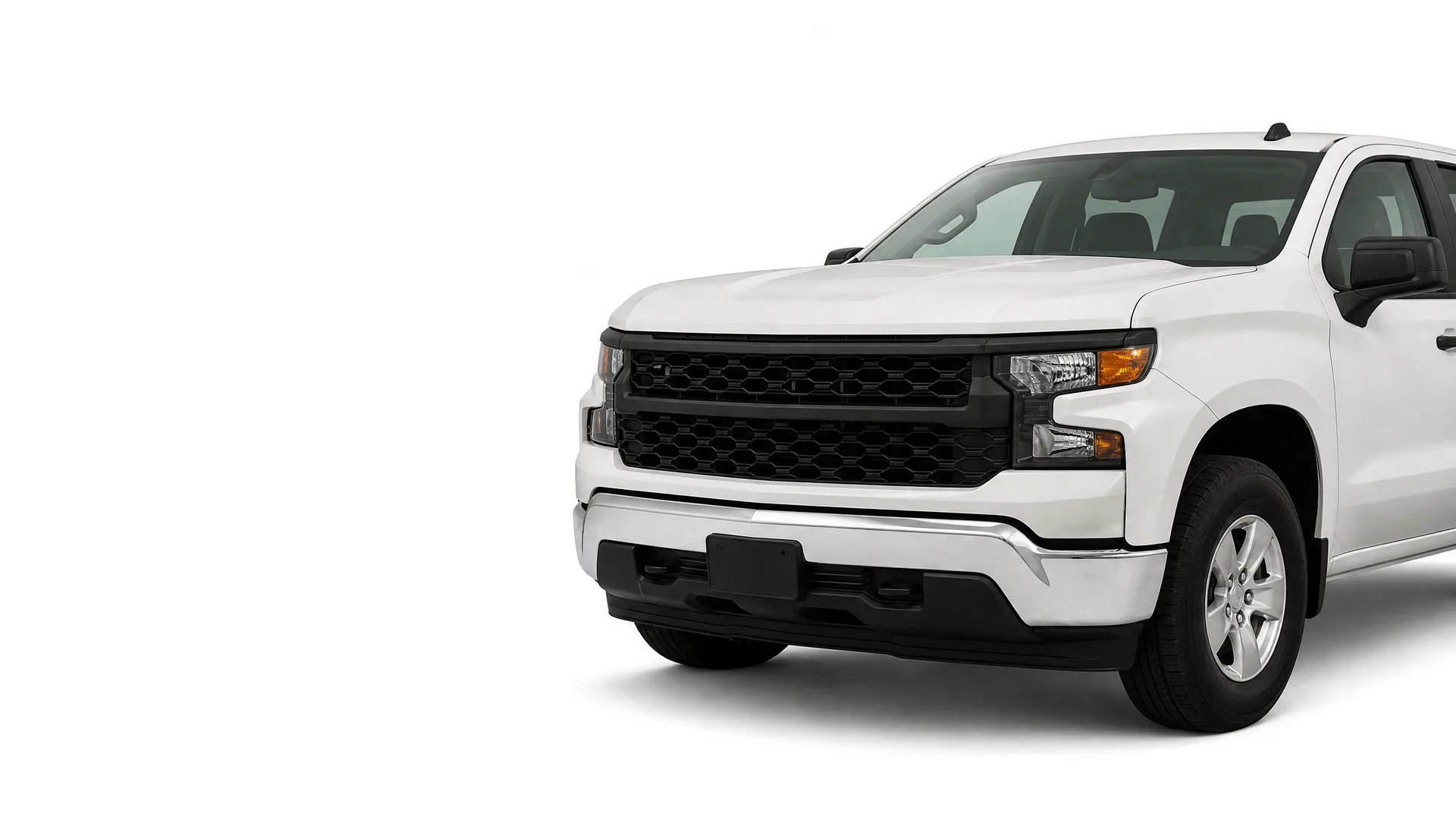
Your policy protects the car, so who's behind the wheel matters less than how often they are.
Now that you know how your policy handles an occasional driver, compare quotes to avoid overpaying.
Why your insurance follows the car instead of the driver
Car insurance is built around the vehicle as the insured object, not the person in the driver's seat at any given moment. That's why permissive use exists as a concept. If you own the car and you give someone permission to drive it, your policy extends to that trip. This is true everywhere, though the exact wording and limits can vary by insurer, so it's worth knowing your policy's specific language on permissive use.
The logic behind this is practical. Insurers can't realistically expect every driver to be named in advance for every possible occasion, so they built coverage around reasonable, occasional use by people you trust. A neighbor borrowing your car for an afternoon, a friend driving it while their own car is in the shop, a visiting relative taking it for a week, these are the situations permissive use is designed for.
Where it gets more complicated is when occasional turns into routine. If someone is driving your car on a regular, ongoing basis, maybe because they've moved back temporarily or they're using it more days than not, insurers start asking why that person isn't listed as a driver on your policy. This isn't about punishing you for being generous. It's about insurers pricing risk accurately, and a regular driver represents different risk than an occasional one.
The exceptions worth knowing are state-specific and insurer-specific, so they're worth a direct call rather than an assumption. Some insurers have stricter definitions of who counts as a household member or a regular driver, and some states have different rules about whose insurance pays first when a borrowed car is in an accident. If you're ever unsure whether a specific borrowing situation is covered, the safest move is always to ask your insurer before it becomes a question you're answering after a claim.

What happens if my kid gets in an accident while borrowing my car during a visit?
Your policy typically responds first since the car is what's insured, and permissive use covers a visiting driver with your okay. Your insurer treats the claim much like it would if you were driving, so your coverage limits and deductible apply. What can change the answer is how often this visit happens. If your child visits and drives regularly, the insurer may ask why they weren't listed as a driver, so check your policy's definition of regular versus occasional use beforehand.
Should I remove my adult child from my policy once they move out?
It depends on whether they still drive your car regularly, not just whether they live elsewhere. If they're only an occasional visiting driver, you can often remove them and rely on permissive use for visits. If they still borrow your car often, even from a different address, keeping them listed may be simpler and avoids coverage questions later. Call your insurer to walk through your specific situation before deciding, since insurers vary in how they define regular use.
Does letting a friend borrow my car raise my insurance rates?
Usually not, because a single loan or occasional use doesn't change how your insurer views your risk. Rates are based on the people regularly associated with your car, not a one-time or infrequent driver. What could change this is if that friend is in an accident while driving your car, since a claim on your policy can affect your rates regardless of who was driving. If lending becomes frequent, ask your insurer whether it affects your policy.