Is It Worth Getting Collision Coverage on an Old Car
Collision coverage is worth keeping only if the car's value still covers what you'd pay in premiums and deductible combined.

Run these checks before you decide anything
- Find the car's real value Look up what the car would actually sell for today, not what you paid or what you think it's worth. This number is the ceiling on what collision coverage can ever pay you.
- Compare value to yearly cost Add up a year of collision premiums and compare it to the car's value. If the coverage costs a meaningful chunk of the car's worth every year, you're paying a lot to protect very little.
- Check the deductible math Subtract your deductible from the car's value to see what you'd actually collect in a claim. A high deductible on a low-value car can shrink your payout to almost nothing.
- Think about who drives it now If this car mostly sits for a visiting adult child a few times a year, its real exposure to accidents is lower. That changes the math compared to a car driven daily.
- Check state and insurer rules Rules about dropping collision can vary by state and insurer, especially with cars registered at a second address. Check your policy or ask directly before canceling anything.
What happens if I drop collision and then total the car?
If you drop collision and the car is totaled in an accident that's your fault, you cover the full cost of replacing or repairing it yourself. There's no payout coming from your insurer for that car's damage, though liability coverage still pays for the other driver's losses if you caused the crash.
This is exactly the tradeoff you're weighing. For a car worth very little, losing it costs you little, so self-insuring makes sense. For a car still worth a real amount, that gap could be a cost you're not prepared to absorb all at once.
The decision usually comes down to whether you could replace the car in cash without much disruption. If you could, dropping collision is a reasonable bet. If you couldn't, keeping it is the safer call even if the premium feels high relative to the car's age.

Once you know whether this car still needs collision coverage, compare quotes to see what keeping or dropping it costs.

Keeping collision coverage on this car
If you do
You keep protection against accidents you cause, even in an older car. If it's totaled or badly damaged, your insurer pays out up to its value minus your deductible. You keep paying the premium every term, whether or not the car gets driven much, even if it mostly sits for visits home.
If you don't
You stop paying for coverage that may cost more than the car is worth. If the car is totaled in an at-fault accident, you pay for repair or replacement yourself. This works fine if you could absorb that cost easily, but it leaves you exposed if the car is worth more than it feels.
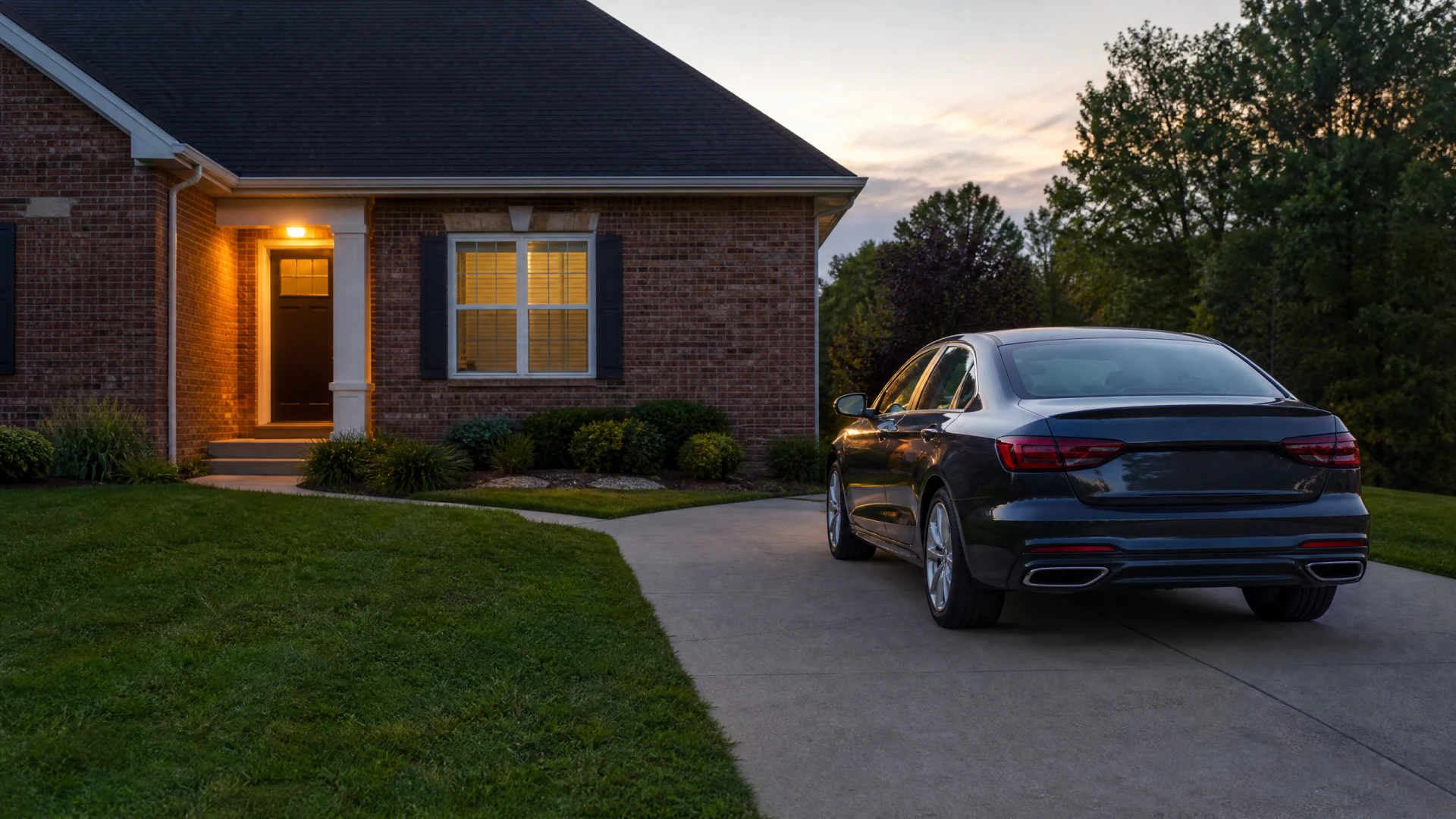
A car kept mainly for visits home
A couple had a sedan sitting in the driveway that their daughter used to drive before she moved out. She still comes back every few months and borrows it, so the car stayed registered and insured the same way it always had, full coverage, same deductible, same premium. Nobody had checked its value in years.
When they looked it up, the car was worth less than two years of collision premiums combined. They also realized their daughter had her own policy now through her job, so the car at home was barely driven outside her visits. They dropped collision but kept liability, since the car still needed to be legally insured whenever it was on the road. The savings showed up right away, and because they could easily cover the cost of replacing the car outright if something happened, the lower coverage didn't feel like a risk. They still check its value once a year to make sure the math hasn't shifted back the other way.
Why the car's value decides this, not its age
Collision coverage exists to pay for damage to your own car after an accident you caused, up to what the car is worth. That cap is the whole story. An insurer will never pay more than the car's value, no matter how much you've paid in premiums over the years or how new the car once felt to you.
As a car ages, its value drops, but the cost of insuring it against collision doesn't drop at the same pace. Premiums reflect the cost of claims and repairs generally, not just this one car's shrinking worth. That's why older cars often reach a point where the coverage costs more, relative to what it could ever pay out, than it did when the car was newer.
What changes the math is how the car is used and what you could afford to lose. A car driven occasionally by a visiting adult child carries different risk than one driven daily for commuting, and that affects how much the coverage is actually doing for you. Likewise, if replacing the car with cash wouldn't strain you, dropping collision is a reasonable trade. If it would, the coverage is still doing real work even on an older car.
This is also one of the places where it pays to check your specific policy and state rules. Some insurers have different thresholds or ways of calculating value, and some states treat required coverage differently when a car is used only occasionally. None of that changes the basic logic, but it can change the exact number you're weighing against the premium.