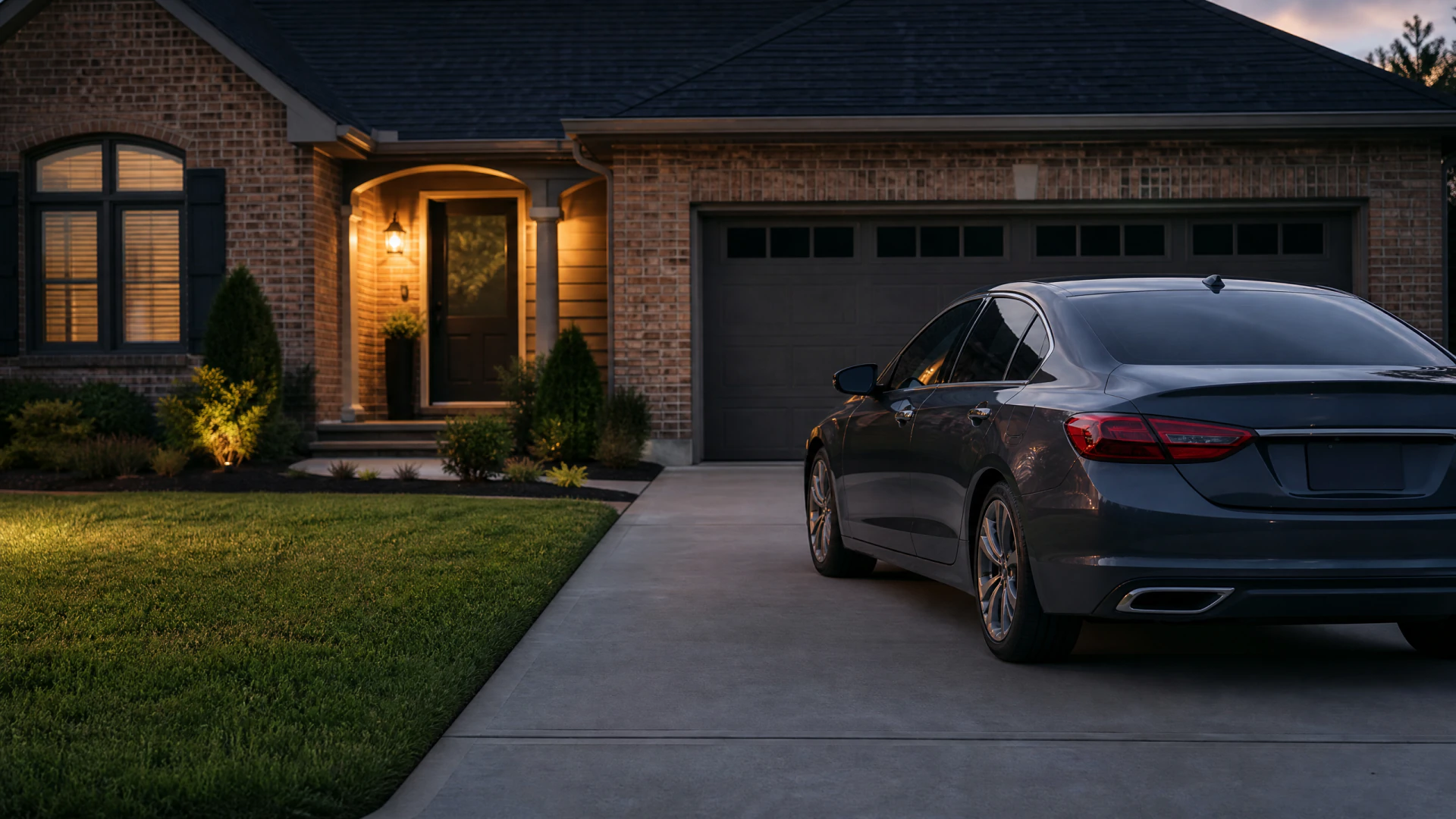
Liability Car Insurance vs Full Coverage
Drop full coverage only when the car is worth less than you'd spend keeping it insured, not just when the kids leave.

The extra car nobody drives anymore
One couple had three cars insured, including their daughter's old sedan that she left behind when she moved out and now only drives a few weeks a year when she visits. They were paying full coverage on it the same as their newer cars, without thinking about whether that still made sense for a car worth a fraction of what it used to be. They called their agent, found out what the car was actually worth, and compared that number to what full coverage was costing them every year.
The math wasn't close. The car's value had dropped enough that liability-only made more sense, and they kept their daughter listed as an occasional driver instead of removing her entirely, since she still drove it on visits. They kept full coverage on the newer car they still drove daily, since that one was worth protecting. The split decision saved them money on the old sedan without leaving anyone uncovered on the car that still mattered.
Should I drop full coverage on my adult child's old car?
Drop it if the car is worth little and you could afford to replace or repair it yourself. Keep it if the car still has real value or if you couldn't easily cover a repair or replacement out of pocket.
The decision comes down to one comparison: what you'd spend keeping full coverage over time against what you'd get back if the car were totaled tomorrow. If that payout would be small, you're paying to protect a number that barely moves. If the car is newer or worth more than you think, check its value before deciding anything, since guessing usually points you the wrong way.
The question isn't whether your kids still live at home. It's what each car is actually worth today.
Once you know which cars need full coverage and which don't, compare quotes to see what that decision actually costs.

What to check before you change anything
- Each car's current value Full coverage only makes sense if the payout would matter. Look up what each car is worth now, not what you paid, before deciding to keep or drop it.
- Who still drives each car A visiting adult child who drives occasionally is different from one who moved out completely. Keep them listed as an occasional driver if they still get behind the wheel.
- Loan or lease status If a car is financed or leased, full coverage is usually required regardless of its age. Check your loan terms before dropping anything.
- How often the car gets used A car that sits most of the year still needs some coverage, but the type and amount can change. Ask about usage-based or reduced coverage options for low-mileage cars.
- Your state's minimum rules Liability minimums vary by state and some states have their own extra requirements. Check your state's rules before assuming liability-only is as simple as the minimum number.

Do I need to remove my child from my policy when they move out?
Not necessarily, and removing them too early can cause problems if they still drive your cars during visits. Keep them listed as an occasional driver if they come home and drive sometimes. Only remove them fully once they have their own policy, their own car, and no longer drive yours at all. Check with your insurer about what counts as a permanent move versus a temporary one, since that distinction affects the answer.
What happens to my rates when my child gets their own policy?
Your rates usually drop since you're no longer insuring a young driver on your policy. The exact change depends on how much their age and driving history were affecting your premium before. Ask your insurer for a breakdown of what their removal changes, since it varies by how long they were on your policy and what their driving record looked like. This is also a good time to review the rest of your coverage, since rates shift for reasons beyond just removing a driver.
Is it worth shopping around after my kids move out?
Yes, because your coverage needs have changed and your current insurer's rates may not reflect that well. Insurers price households differently, and one that was competitive when you had young drivers may not be the best option now. Get a few quotes based on your updated situation, fewer drivers and possibly less coverage needed, and compare them directly. Do this anytime your household changes significantly, not just once.