Should I Notify My Insurer Immediately After Moving
Yes, tell your insurer as soon as you move, since your address affects your rate and your coverage from the moment you change it.

What to handle the moment you move
- Update your address first Your policy is priced partly on where the cars are kept. Call or update it online within a few days of moving, not after your next bill arrives.
- Check the extra car situation If a child's car is still parked at the old address, that matters too. Decide now whether it moves with them or stays on your policy.
- Ask about rate changes A new neighborhood can raise or lower your rate for reasons that have nothing to do with you. Ask your insurer directly what changed and why.
- Confirm coverage stays active Coverage doesn't pause while you update details, but delays in reporting can complicate a claim. Make the change before anything happens, not after.
- Review who's still listed A move is a natural point to review the whole policy, not just the address. Check whether everyone listed still belongs there.
What if I forget to update my address for a while?
Nothing happens automatically, your coverage doesn't lapse just because your address is outdated. But it creates real risk. If you file a claim and your insurer discovers you were living somewhere other than what's on file, they can question the claim or adjust how they handle it, especially if the new address would have changed your rate.
It also means you might be paying the wrong amount, either too much or too little, for months without knowing it. Insurers price policies based on where the car actually sits overnight, not where you lived when you signed up. The longer the gap, the more it can cost you to fix later, including possible back charges if the correct address would have meant a higher rate. Update it as soon as the move is settled, even if it feels like a small detail compared to everything else on your plate during a move.

Once your address and driver list are current, compare quotes to make sure you're not overpaying for your new situation.
Why your address matters this much to an insurer
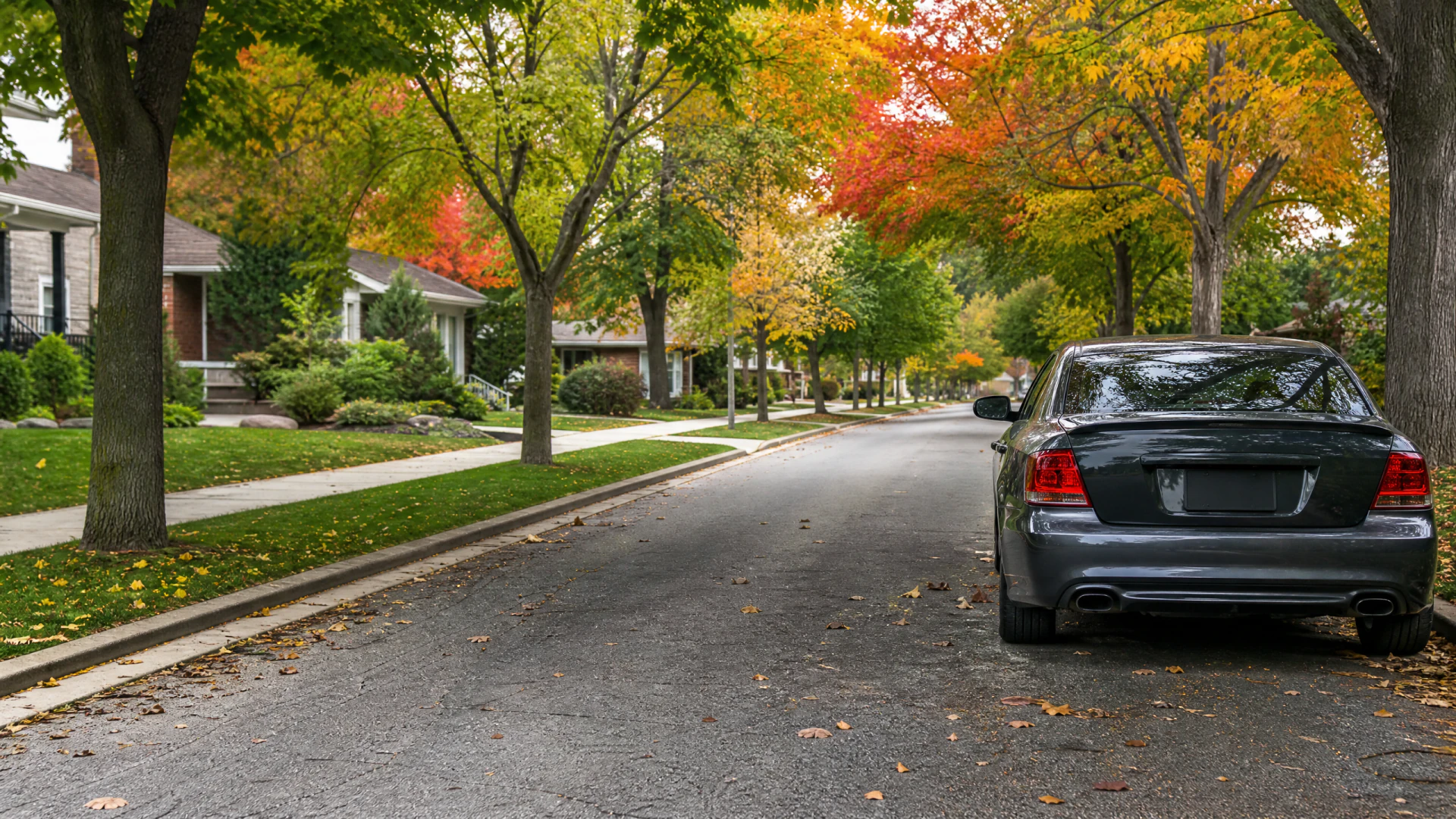
Insurers price risk based on where a car spends most of its time, because location drives real differences in claims. Traffic density, weather, local accident rates and even theft patterns all vary by place. Your old neighborhood and your new one are rarely identical on these measures, so your rate is built to reflect the one you're actually in.
This is also why insurers want to know promptly rather than whenever it's convenient. A policy is a snapshot of your risk at a point in time, and an outdated address means that snapshot no longer matches reality. Most insurers won't penalize you for a short delay while you're busy moving, but they do expect the update once you're settled.
Where this gets more complicated is when a move crosses state lines. Insurance requirements, minimum coverage levels and even which companies operate differ by state, so a move like that is a bigger event than a move across town. Check with your insurer whether your current policy can simply transfer or whether you'll need a new one entirely.
It can also work out differently depending on whether the move is temporary or permanent. A short-term relocation, like a few months for work, may not require a formal address change the same way a permanent move does. Ask your insurer how they define a reportable move, since that line isn't the same everywhere.

Your address isn't paperwork, it's one of the main things your rate is built on.
Does my car insurance automatically update when I move within the same state?
No, it doesn't update on its own. You have to report the new address yourself, either online, by phone or through an agent. Even a move a few miles away can change your rate if it crosses into a different rating area. Check with your insurer about how they define those boundaries, since it varies by company and isn't always obvious from a map.
What happens to my adult child's car insurance if they move out during this time?
It depends on whether they're keeping their car registered at your address or not. If their car and primary address change, they typically need their own policy or at least to be moved off yours as a listed driver. If they're still using your address as a home base, talk to your insurer about how to handle it, since the rules on this vary by company.
Will my insurance rate go up or down after I move?
It depends entirely on the new location's risk factors, there's no general rule that moving raises or lowers rates. A quieter area with less traffic can lower it, while a denser or higher-theft area can raise it. The only way to know is to ask your insurer directly once your new address is set, since they calculate it based on specific local data.