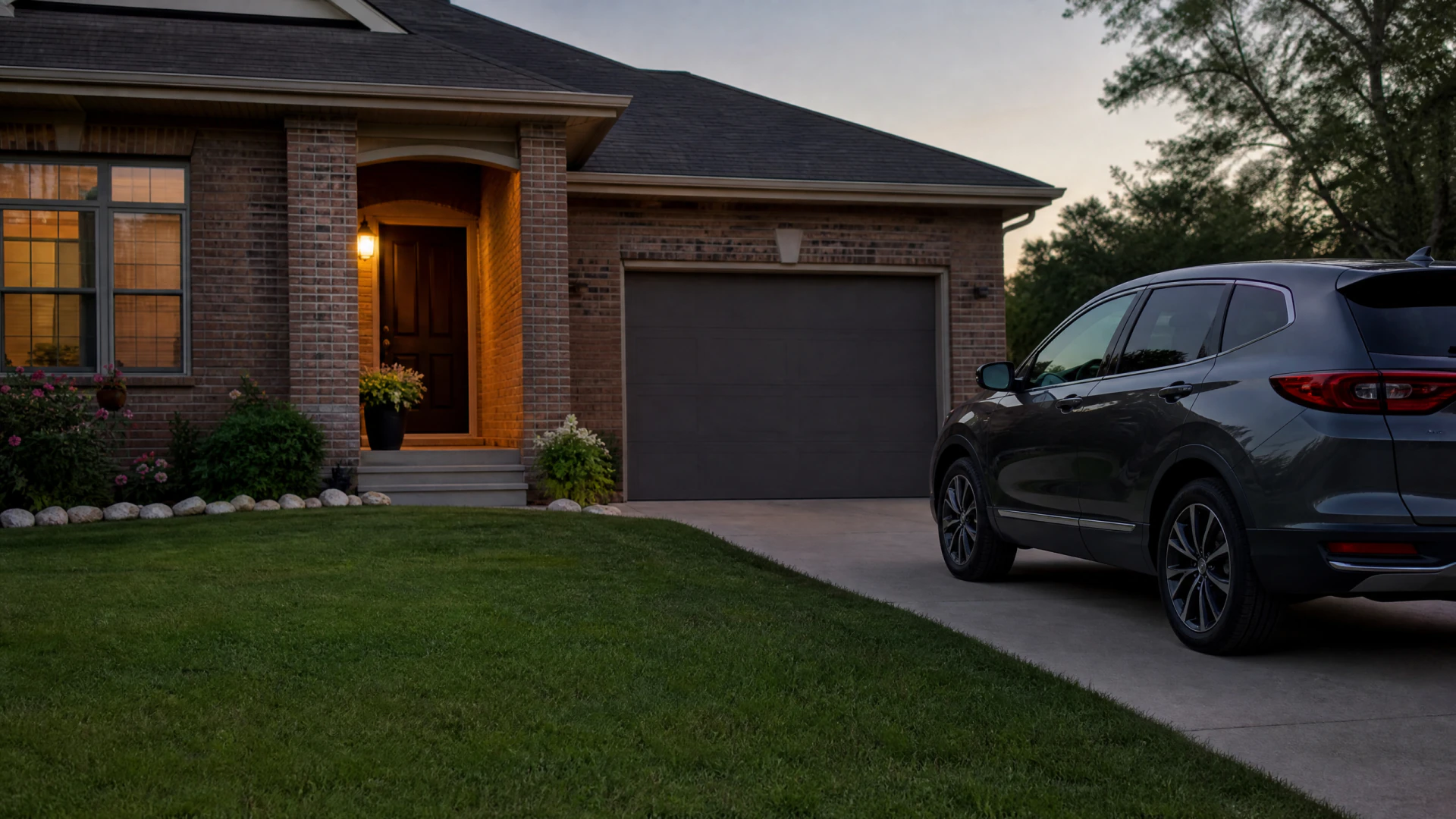
Should Kids Be Listed on Car Insurance
Once a child has their own address and their own car, they usually belong on their own policy, not yours.
What to check before you change anything
- Where they actually live If your child has a separate address, most insurers expect them off your policy. If they still list your home as their address even part-time, ask your insurer how they handle that.
- Whose car they drive A child driving their own car, registered in their name, should be insured on their own policy. A child occasionally borrowing your car is a different situation and may still belong on yours.
- Visits home Short visits where they drive your car now and then usually don't require adding them back. Ask your insurer what counts as occasional so you're not guessing later.
- The extra car in the driveway A car nobody drives regularly is costing you more than it should. Either insure it properly for who actually uses it or consider whether you still need it insured at all.
- The policy itself A policy built for a full household of drivers doesn't automatically shrink when people move out. Ask your insurer to recalculate it based on who actually lives there now.
What happens when my child visits and wants to drive my car?
Most insurers expect occasional use by someone not listed on your policy, especially a family member visiting from out of town. A short visit where your adult child borrows your car a few times usually doesn't require adding them back or changing anything.
What matters is frequency and pattern. If visits are rare and the car isn't something they drive regularly, you're typically fine. If they're coming home often enough that it starts to look like a regular arrangement, that's when insurers start asking questions, and that's when you should call and ask directly rather than assume.
The exact line differs by insurer, so don't rely on guesswork here. Call and describe the actual pattern, how often, how long, which car, and let them tell you whether it changes anything. It's a five-minute conversation that prevents a much worse one later if something happens during a visit.

The policy should match who lives in your house now, not who used to.
Once you know who belongs on your policy, compare quotes to make sure you aren't overpaying for a household that's gone.
A policy still built for three drivers and two kids' cars
A couple had two kids move out over recent years, one to an apartment across town with her own car, one to another state for work. Both were still listed on the parents' policy, and one of the kids' old cars was still sitting in the garage, insured but barely driven. The parents hadn't touched the policy because nothing had obviously broken, the bill just kept coming and they kept paying it.
They called their insurer and walked through each piece separately. The daughter across town was removed and set up with her own policy, since she had her own car and address. The son out of state was already not living there, so he came off too. The old car in the garage got reassessed, since it wasn't being driven by anyone in the house regularly, and they decided to either insure it as a secondary low-use vehicle or sell it. The policy that came out the other side reflected two adults and one less-used car, not a household of four drivers, and it was built around who actually lived there.
Why the policy needs to match the household, not the history
Car insurance prices risk based on who's actually driving which cars, how often, and from where. A policy that still lists adult children who've moved out is pricing risk that no longer exists in your household, while potentially missing the risk that does exist, like them driving a different car in a different state. Insurers aren't tracking your family's life changes for you. The policy only updates when you tell it to.
The reason insurers care about address and primary use is that both affect how often a car is driven, where it's parked, and who's really behind the wheel day to day. A child who's moved out and has their own car in their own city is a completely different risk profile than a teenager driving the family car to school. Keeping them on your policy after that shift doesn't protect them better, it just keeps you paying for a version of your household that no longer exists.
There are real exceptions. A child in college who still uses your address as their permanent residence, still drives a car registered to you, and comes home for breaks might legitimately stay on your policy longer. A child who's financially independent but still technically a resident at your address for tax or mail reasons is a judgment call your insurer should weigh in on, not something to decide alone.
Where this gets genuinely different is state rules around residency, what counts as a household member, and how insurers define occasional versus regular use. Some states and insurers are stricter about removing a listed driver than others. That's not something to guess about. Ask directly, describe your actual situation, and let them tell you what applies to you.