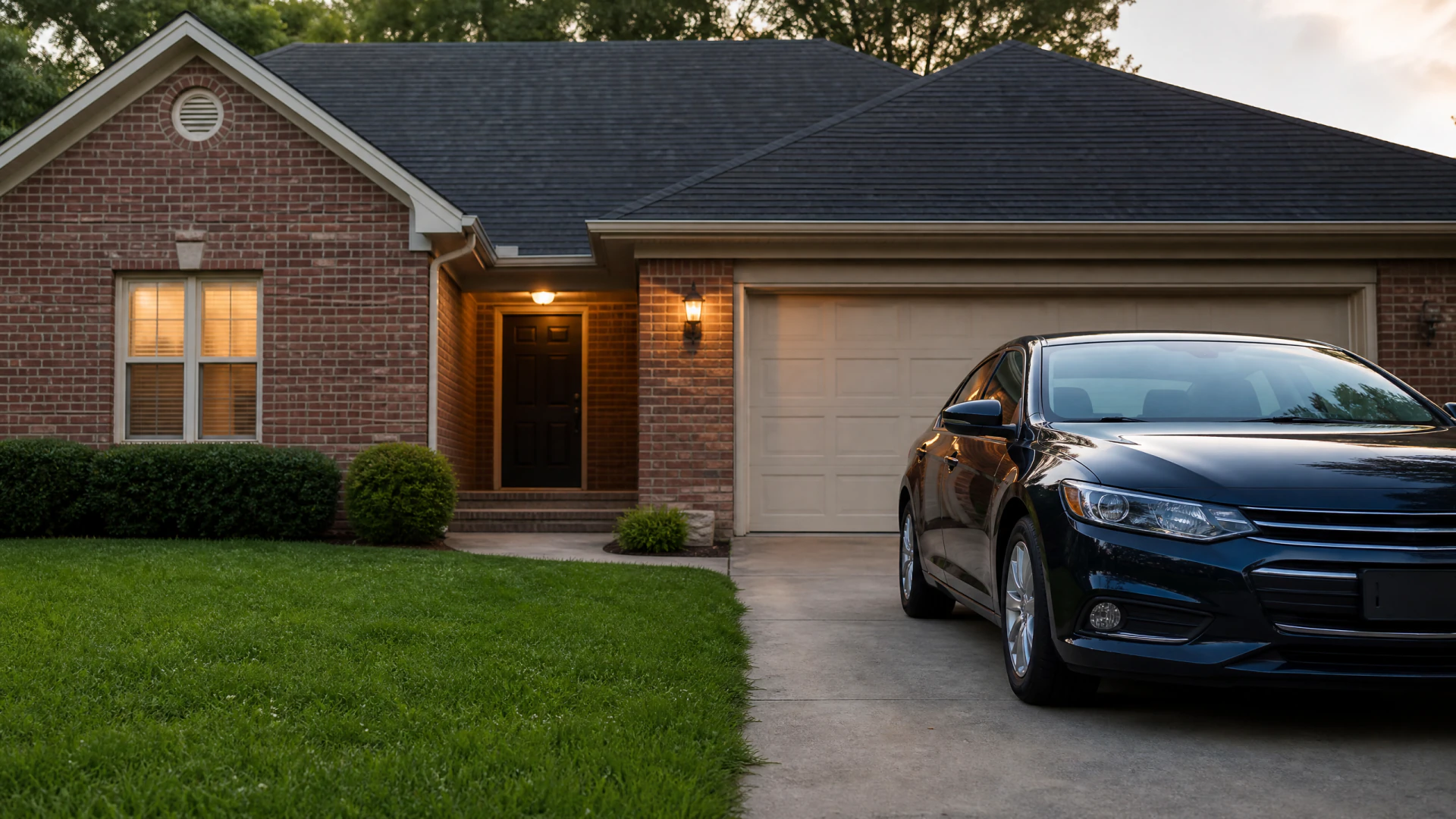
Should You Switch Home and Auto Policies at Once
Switching both at once usually saves more, but it only makes sense if both policies are actually due for a change.
What to check before bundling your switch
- Compare each policy alone first Price out home and auto separately before combining them. That tells you whether one policy is actually the problem, so you're not dragging a good deal into a switch it didn't need.
- Check your renewal dates Home and auto often renew at different times. Switching both at once may mean paying a penalty to leave one early, so weigh that cost against what you'd save.
- Ask about the bundle discount Most insurers lower both premiums when you hold home and auto together. Ask for that discount specifically, since it won't always show up on a generic quote.
- Look at claims history together Insurers sometimes weigh home and auto claims against each other when pricing a bundle. If one policy has recent claims, find out how that affects the price of the other before you combine them.
- Keep paperwork for both moves Cancelling two policies at once means two chances for a lapse or a billing mistake. Confirm each old policy is actually cancelled and each new one is active before you stop paying the old premiums.

A household weighing one switch against two
A couple in their fifties had their auto policy up for renewal and noticed the premium had crept up for two years running, even though both drivers had clean records and the kids were long gone from the policy. Their home policy wasn't up for renewal for another eight months, but they'd never shopped it either and suspected they were overpaying there too.
They got a fresh auto quote and found a better rate elsewhere, then asked that same insurer to quote the home policy early. The combined bundle price beat what they were paying for both policies separately, even after accounting for a small early-termination fee on the old home policy. They switched both at once, confirmed the new home policy started the same day the old one ended, and kept the cancellation confirmation from both old insurers until the new paperwork was fully in place. A year later, the bundled renewal came in lower again, since the insurer had no claims on either policy to reconsider.

Switching both policies at the same time
If you do
You get one renewal date, one bill, and usually a lower combined price through a multi-policy discount. You'll need to time the cancellations carefully so neither policy lapses, and you may pay a small fee to leave a policy before its term ends.
If you don't
You keep switching each policy on its own schedule, which avoids early-termination fees but means missing out on the bundle discount. You'll need to track two separate renewal dates and shop each one on its own, which takes more ongoing attention.
Once you know whether bundling or switching separately fits your renewal dates, compare quotes for both.

Why timing matters more than the switch itself
Insurers price a bundle as a single relationship, not two separate transactions. When you hold home and auto together, the discount reflects the insurer's expectation that you're a lower-risk, more stable customer overall, not just a lower price on each piece. That's why switching both at once usually beats switching them separately, even if one policy alone wouldn't have been worth moving.
The complication is that your two policies rarely renew on the same date. Leaving a policy before its term ends can trigger an early-termination fee or a short-rate penalty, depending on the insurer and sometimes the state. Whether that fee applies, and how large it is, is worth checking directly with your current insurer before you commit to switching both at once.
Claims history is the other underlying factor. Some insurers look at your combined claims across home and auto when pricing a bundle, which can work in your favor if one policy is clean, or against you if both have recent claims. This is worth asking about directly, since it doesn't always appear on a standard quote.
There are cases where switching separately still makes more sense, especially if one policy has a strong rate locked in or if an early-exit fee outweighs the bundle discount. The right move depends on your specific renewal dates and claims record, not a general rule, so run both scenarios before deciding.

The bundle discount is only worth it if it beats what you'd save switching each policy on its own best timing.