What Are the Downsides of Not Having a Garage for My Car
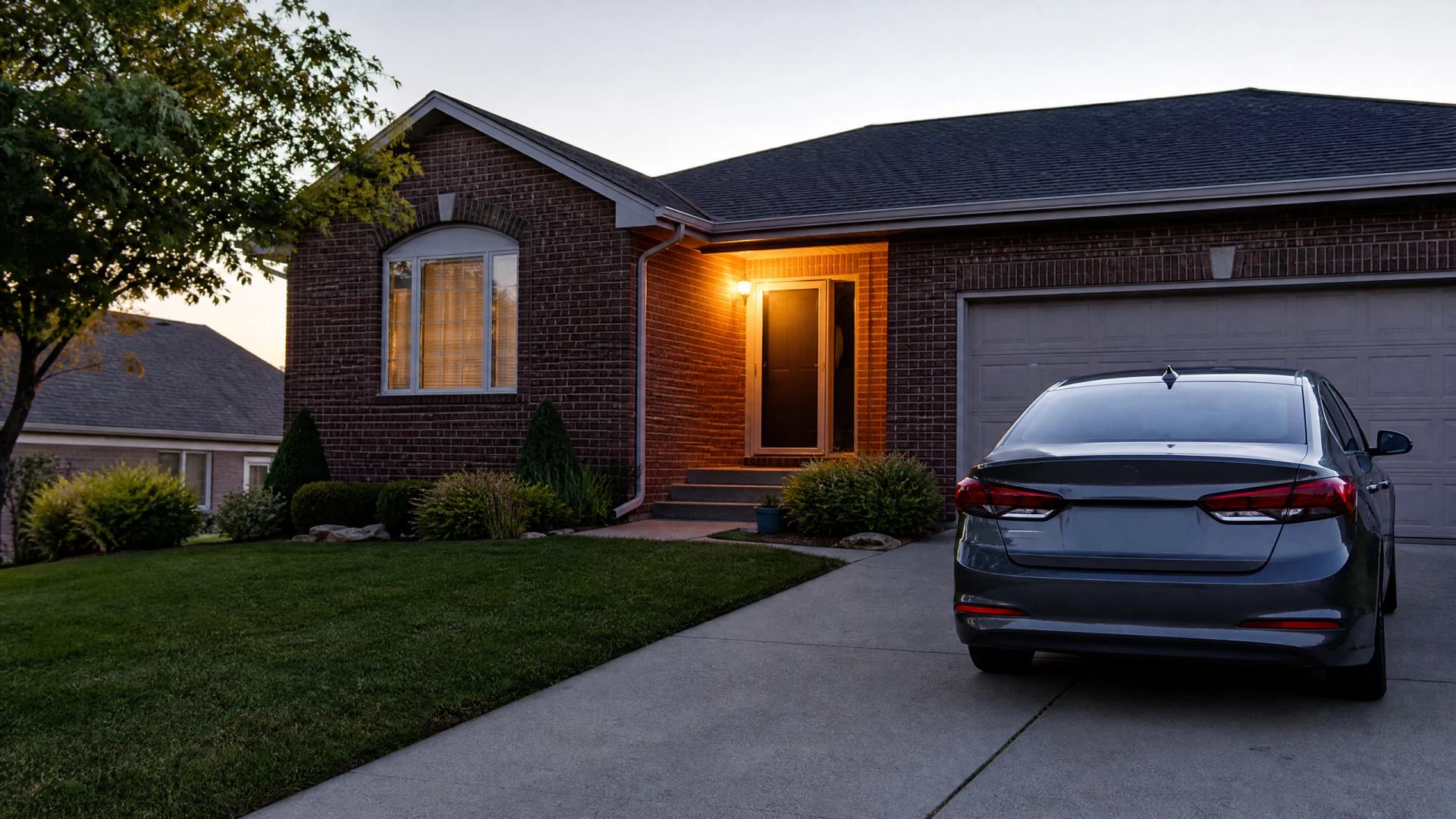
Parking outside instead of a garage usually costs a bit more and raises your car's risk, but rarely changes your coverage choices.
Insurers price risk, and a garage lowers it
Insurance pricing comes down to how likely a claim is and how expensive it would be. A car parked in a garage is less exposed to theft, vandalism, falling branches, hail, and the kind of minor dings that happen in open lots or on the street. Insurers know this from claims data, so where you park becomes one of many small factors that shape your premium.
This is why some insurers ask about parking location and others don't weigh it heavily at all. It depends on the insurer's own data and how much they trust self reported parking habits. Some regions also carry more weather or theft risk than others, so the value of a garage shifts depending on where you live. Check with your insurer directly since this detail isn't standardized the way liability limits are.
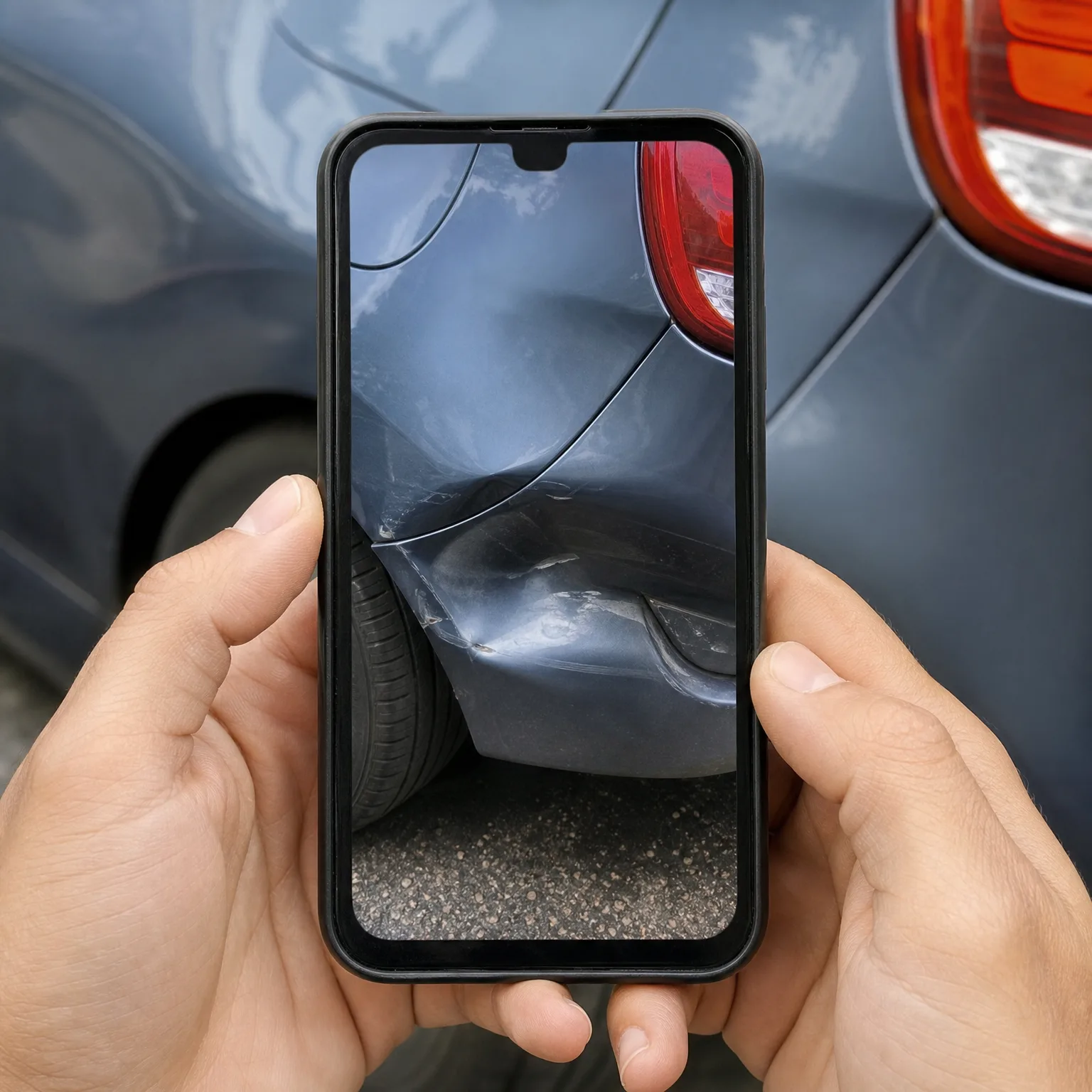
The bigger downside usually isn't the premium difference, it's the actual exposure. A car sitting outside is more likely to get a cracked windshield, a dented door from a passing cart, or scratches from weather. None of that is catastrophic, but it adds up over years of ownership, and it's the kind of wear that makes a car look older than it is.
In cases where theft rates are low and weather is mild, not having a garage barely matters. The downside is real but usually modest, not a reason to panic or to assume your coverage needs to change.
What changes when you don't have a garage
- Slightly higher premium Some insurers charge a bit more for cars parked outside overnight. Ask your insurer directly whether this applies to your policy.
- More exposure to weather Hail, sun, and storms cause more cosmetic and mechanical wear on cars left outside. Consider a car cover if this is a regular issue where you live.
- Higher theft or vandalism risk Cars parked on the street are easier targets than those behind a locked door. If theft is common in your area, comprehensive coverage matters more.
- More minor claims over time Dings, scratches, and small damage accumulate faster without covered parking. This can affect your claims history even if each incident is small.
- No change to liability coverage Not having a garage doesn't affect the coverage you're legally required to carry. It mainly affects comprehensive risk, not your core policy structure.
Will my insurance go up if I tell them I don't have a garage?
It might, but usually not by much, and it depends entirely on your insurer. Some ask directly where your car is parked overnight and factor that into pricing, especially if street parking in your area has higher theft or damage rates. Others don't ask at all, or weigh it so lightly it barely shows up in the final price.
What matters more is being accurate. If your policy asks where the car is parked and you say garage when it's actually parked on the street, that mismatch can cause problems if you ever file a claim. Insurers can deny or delay claims over inaccurate information. It's safer to answer honestly and let the small pricing difference reflect your real situation, rather than save a little now and risk a bigger headache later.
Now that you know what parking outside really changes, compare quotes to see how insurers price that risk for you.
Should you report that you don't have a garage
If you do
Your policy reflects your real parking situation, so if your car is damaged or stolen, your claim goes smoothly. Your premium might tick up slightly, but there's no risk of a dispute later over where the car was actually parked.
If you don't
You might save a small amount upfront, but if you ever file a claim and the insurer discovers your car wasn't parked where you said, they can question the claim or delay payment. The short term savings aren't worth that risk.

A driver switches from a garage to street parking
A driver moved from a house with an attached garage to an apartment with only street parking. They kept driving the same car, same mileage, same route to work, and assumed nothing about their policy needed to change. A few months later their windshield cracked from debris kicked up by a passing truck, and when they filed a claim, the insurer asked where the car was usually parked overnight.
Because the driver updated their policy right after the move, the answer matched their actual situation and the claim went through without any issues. Their premium had gone up slightly when they made the update, but it was a small amount compared to the peace of mind of having an accurate policy. Had they left the old address and parking details on file, the claims adjuster might have asked more questions, and the process would have taken longer even if the claim was still valid.
The real cost of skipping a garage isn't the premium, it's the wear and risk you accept every night.