What Does 250/500/100 Car Insurance Mean
It sets three separate liability caps, one per injured person, one per accident overall, and one for property damage.
The three numbers split your liability coverage into separate buckets
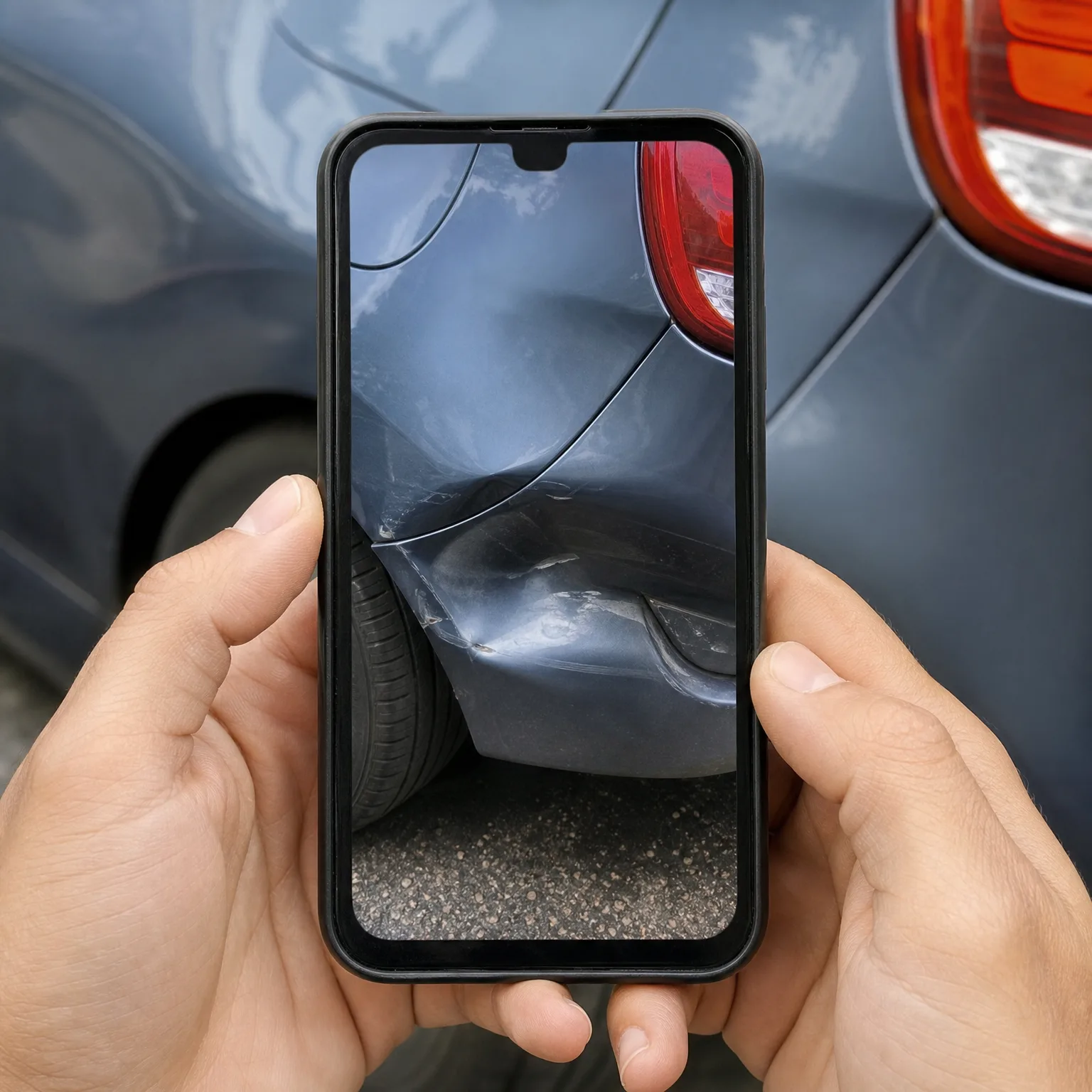
Liability coverage protects you when you cause an accident that hurts someone or damages their property. Instead of one lump sum, insurers split that protection into pieces, so there's a cap for each injured person, a separate cap for the whole accident, and a third cap just for property like cars, fences, or buildings. That's what the three numbers in 250/500/100 represent, in that order.
The reason for splitting it this way is to prevent one badly hurt person from draining the money meant to cover everyone else involved. If you're in an accident with three other people and two are seriously injured, the per-person limit keeps any single claim from eating the whole pot, while the total limit caps what you're on the hook for across all of them combined. Property damage is kept separate because cars and other damage are priced and settled differently than medical claims.
These numbers describe your liability limits, not what you'd get for damage to your own car. Your own vehicle is covered separately, through collision or comprehensive, if you carry those. The 250/500/100 figures only kick in when you're the one responsible for someone else's injuries or damage.
What counts toward each number, how claims get paid out when costs exceed a limit, and whether higher limits are required or available at all can vary by state and by insurer. Check your declarations page or ask directly what your state requires and what your policy actually includes.
The short version
250/500/100 sets a cap for each injured person, a separate cap for the whole accident, and a third cap for property damage, all for accidents you cause. It doesn't cover your own car. Check your declarations page to confirm these are your actual limits, then decide if they're still enough now that your household has changed.
A parent reviewing coverage after a child moved out
A parent had carried 250/500/100 for years, back when two teenage drivers were on the policy and the risk of a serious accident felt higher. Now both kids were grown and gone, one with their own policy, one still occasionally borrowing a car when visiting. The parent wondered if those same high limits still made sense or if they were paying for protection they no longer needed.
They found that liability limits are about protecting assets and future income, not about how many drivers are on the policy. The parent still owned a house and had savings, so the limits still mattered. What had changed was removing the child who'd moved out, as a listed driver, while keeping the visiting child on the policy as an occasional driver so they'd stay covered during visits. The liability limits stayed the same, but the premium dropped because of who was listed to drive.
Now that you know what your limits actually protect, compare quotes to see if you're paying the right price for them.
What to check before you assume your limits are right
- Your state's minimum Minimum required limits vary by state and are often lower than 250/500/100. Check your state's minimum so you know how much higher than the floor you actually are.
- Your assets at risk Higher limits protect savings, home equity, and future wages if you're sued after an accident. Add up what you have to protect and make sure your limits cover it.
- Raising limits later You can usually increase liability limits at renewal or anytime through your insurer. Ask what it would cost to raise them before deciding to keep them as is.
- Umbrella policy rules Some umbrella or excess policies require a minimum underlying auto liability limit to kick in. Check that requirement before lowering your limits.
- Your changed household Fewer drivers or fewer cars doesn't mean you need lower limits, but it does mean you may be overpaying for the same protection. Review who's listed and get a fresh quote.
These numbers protect what you own, not how many drivers you have, so don't shrink them with your household.
Should I lower my limits now that fewer people drive my cars?
No, not because of fewer drivers. Liability limits exist to protect your assets and income if you're found responsible for someone else's injuries or damage, and that risk doesn't shrink just because fewer people are driving your cars. A single serious accident can still cost far more than you'd expect, regardless of who's behind the wheel.
What should change is who's listed as a driver and what discounts you qualify for, not the limits themselves. If your household now has fewer or safer drivers, you may be owed a lower premium at the same coverage level. Ask your insurer to reprice your policy based on your current drivers and vehicles, and compare that quote against others before deciding whether your limits are the right lever to adjust at all.