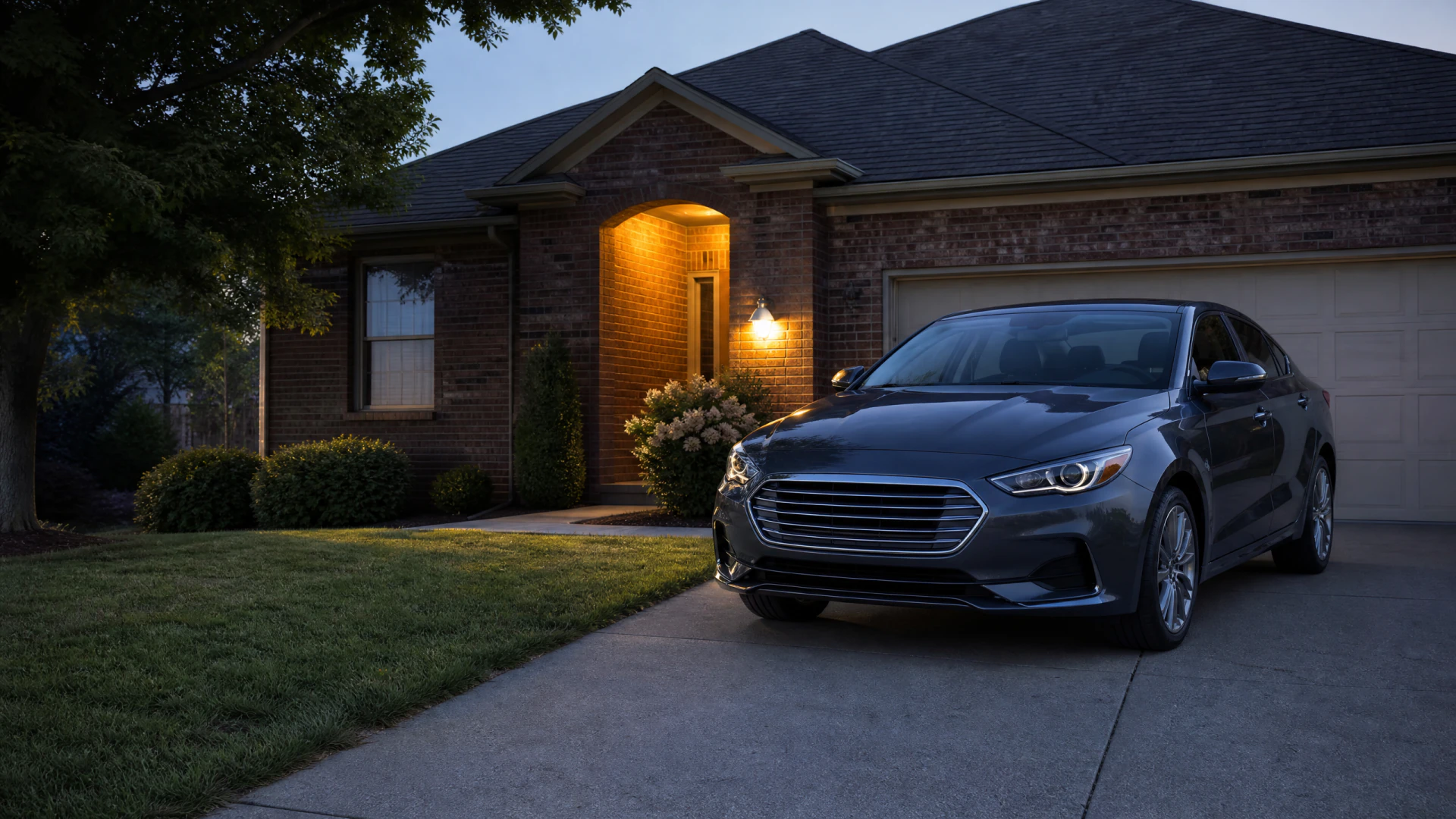
What Happens if an Excluded Driver Gets Pulled Over
An excluded driver has no coverage under your policy at all, so a ticket or an accident becomes your financial problem alone.

A son home from college borrows the car on a visit
A couple had excluded their adult son from their policy after he moved out and got his own insurance. He came home for a weekend, borrowed the family car to run an errand, and was pulled over for a rolling stop. The officer asked for proof of insurance, and because he was listed as an excluded driver on that policy, the car technically had no coverage for him behind the wheel, even though the policy itself was active.
Nothing happened to be damaged, so the ticket was the only consequence this time, but it could have gone differently. If he had hit another car, the insurer would have denied the claim entirely, leaving the parents to pay for the other driver's damage and their own car out of pocket. After that weekend, the parents called their insurer before his next visit and asked how to cover him temporarily, which turned out to be simple and avoided the risk a second time.
Does excluding a driver affect anyone else covered by the same policy?
No. Excluding one driver doesn't change coverage for anyone else named on the policy. Each listed driver is treated on their own terms, so the parents, other household members, or any other listed driver remain fully covered as before. The exclusion is narrow and applies only to the person named.
What it does change is who can safely drive the insured cars. If the excluded person drives one of those cars, even briefly or with permission, there's no coverage for that trip. The rest of the policy keeps working normally, which is exactly why it's easy to forget the exclusion exists until someone who's excluded ends up behind the wheel.

Whether you let an excluded driver get behind the wheel
If you do
If the excluded driver drives your car and gets pulled over, the officer may find no valid coverage applies to them. If they cause a crash, the insurer denies the claim outright, and you're personally responsible for all damage, injuries, and legal costs that follow, often far more than a premium would have cost.
If you don't
If you keep the excluded driver off your cars entirely, your policy works exactly as written and nothing changes. You avoid any risk of a denied claim or a coverage gap. If they need to drive occasionally, you can ask your insurer about adding them back or covering a specific visit instead.
Now that you know what exclusion really means, compare quotes to make sure the rest of your coverage still fits.
An exclusion is a signed agreement that someone isn't covered, period
When you exclude a driver, you and the insurer are agreeing in writing that this specific person is treated as if they have no policy at all when they drive your cars. It's not a discount for a risky driver or a formality, it's a hard boundary. Insurers allow it so households can lower their rates by removing a driver who shouldn't be driving the insured vehicles, usually because that person has their own coverage elsewhere, a suspended license, or a history that would raise the cost for everyone else on the policy.
Because it's a hard boundary, there's no gray area when that person drives anyway. The insurer isn't deciding whether to cover the claim, they're pointing to a signed document that already settled the question. This is different from a driver who simply isn't listed, where some insurers might still extend limited coverage under a permissive use clause. Exclusion forecloses that possibility entirely.
What changes from state to state and insurer to insurer is how strictly this is enforced and what paperwork is required to exclude or reinstate someone. Some states limit how insurers can use exclusions or require specific notice to the excluded person. It's worth asking your insurer directly what your state requires and what your policy document actually says, rather than assuming it works the same way everywhere.
The practical upshot is that exclusion is meant to be permanent until you change it, not a pause button. If circumstances shift, like a visit home or a temporary need to drive, the fix is to contact the insurer and adjust the policy, not to assume a one-time exception is safe.

Can I temporarily add an excluded driver back for a weekend visit?
Usually yes. Most insurers can add a driver back onto the policy for a short period or issue temporary coverage for a specific visit, often with a quick phone call or online update. The exact process and how far in advance you need to request it varies by insurer, so check with yours before the visit happens. If they can't do a short-term add, ask whether a non-owner policy or rental coverage could bridge the gap instead.
Does excluding my child affect their own insurance rates later on?
Not directly, but it can shape their first quote. Insurers look at driving history and sometimes insurance history when pricing a new policy, and a gap with no coverage can occasionally raise their starting rate. It helps if they're listed somewhere as a driver, even in an excluded role, since it shows continuous awareness of their driving record rather than a complete blank.
Does removing a driver instead of excluding them work the same way?
No, removing and excluding are different things. Removing a driver just means they're no longer disclosed on the policy, but if they still live in your household and drive your car, that can be treated as misrepresentation. Excluding them is a formal agreement that they're not covered, which is honest and enforceable. If they've moved out permanently and don't drive your cars, removal is usually the right move instead.