What Happens if I Cancel My Car Insurance Halfway Through
You get back the unused portion of your premium, but only if you cancel the right way and have new coverage lined up first.
Insurers charge for time, not for the whole term at once
A car insurance premium is really payment for a block of time set by the policy term. When you cancel early, the insurer owes you for the time you didn't use. That's why cancellation almost always comes with a refund, not a penalty, as long as you haven't already paid in a way that only covers time already used.
How that refund is calculated depends on the insurer. Some return the exact unused amount. Others subtract a short cancellation fee first, or calculate the refund in a way that works out slightly less than a simple day count. The policy documents will say which method applies, so that's worth checking before you assume a number.
The bigger risk isn't losing money on the refund. It's the gap it creates. If you cancel a policy on a car that's still registered and sitting in the driveway, most states and lienholders expect continuous coverage on it. A lapse can trigger fees, registration problems, or trouble getting affordable coverage later, since insurers look at gaps when pricing a new policy.
This is why the usual advice is to line up the new or adjusted policy first, then cancel the old one effective the same day. Done that way, canceling mid-term is routine and costs you nothing extra. It only turns costly when the cancellation leaves the car technically uninsured for a stretch, even a short one.
What actually changes when you cancel mid-term
- The refund You get back the unused portion of the premium, sometimes minus a small fee. Check your policy's cancellation terms before assuming the full amount comes back.
- The effective date Coverage ends the moment you tell the insurer, not at the end of the month. Pick that date carefully so there's no overlap or gap with a new policy.
- The registered car If the car stays registered and on the road, it still needs coverage. Canceling without replacing it can trigger state or lender penalties.
- The lapse record Insurers track gaps in coverage when they price your next policy. Keep the switch same-day so no lapse shows up at all.
- Any discounts tied to the policy Multi-car or loyalty discounts on other vehicles can shift when one policy cancels. Ask what the remaining policy will cost before you finalize anything.

Canceling before the new policy starts
If you do
You save a step, but the car sits uninsured for however long the gap lasts. If it's still registered or driven even once, that's a real risk. A lapse also gets noted by future insurers, often making the next policy cost more than it would have otherwise.
If you don't
You line up the new coverage first, then cancel the old policy the same day it starts. No gap shows up anywhere, no lapse penalty, and the refund on the old policy still comes back to you. It takes one extra phone call, but it protects both the car and your future rate.
Once you know when your new coverage should start, compare quotes so the switch happens without any gap.
Dropping coverage on a car nobody drives anymore
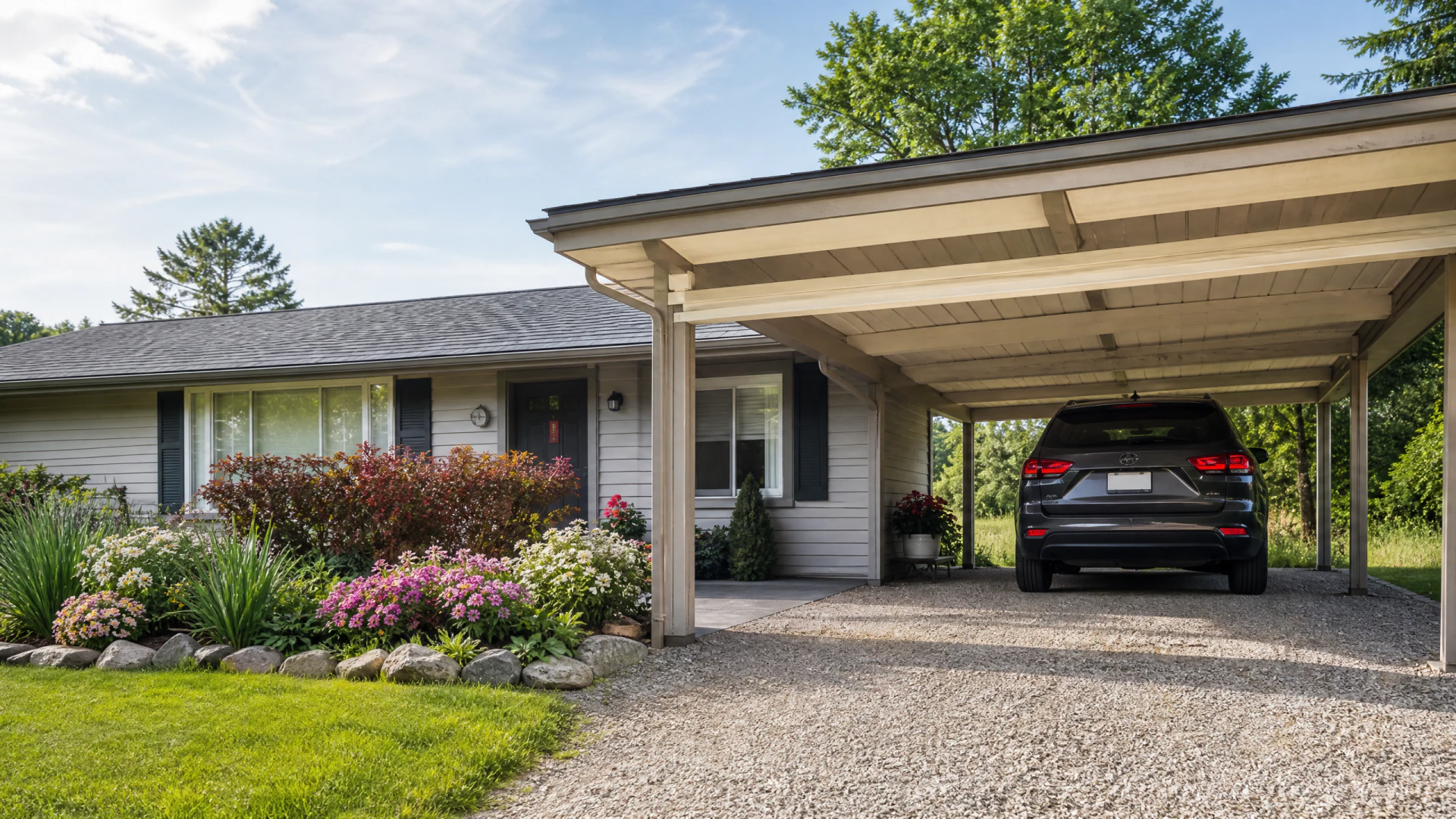
A parent had two cars on one policy, one driven daily and one that mostly sat in the driveway since their kid moved out and took their old car with them. Rather than pay for two full policies, they decided to cancel coverage on the second car mid-term instead of waiting for renewal.
Before canceling anything, they called the insurer to ask how the remaining policy's price would change, since removing a car can affect multi-car discounts. They set the cancellation date for the same day the car would be sold, confirmed the refund amount in writing, and made sure the title transfer matched that date. The refund came a week later, the remaining policy adjusted automatically, and because there was no gap in coverage on either car, nothing showed up as a lapse later on.

Will canceling mid-term hurt my credit or insurance history?
Canceling itself doesn't hurt anything. What matters is whether it creates a lapse in coverage. If you replace the policy the same day, insurers see continuous coverage and there's no mark against you. If there's a gap, even a few days, future insurers may ask about it and price your next policy higher. Check how far back an insurer looks at lapses, since that varies.
Do I get a refund if I pay monthly instead of all at once?
Usually yes, but it's smaller since you've already paid closer to the actual time used. Monthly plans bill close to real time, so canceling mid-month mainly stops future charges rather than returning a large refund. Check your next billing date and cancel just before it to avoid paying for days you won't use.
What if I'm canceling because I'm selling the car, not switching insurers?
Then you cancel once the sale is final, not before. Keep coverage active until the title transfers, since you're still responsible for the car until then. Call the insurer to confirm the exact date coverage should end, and ask for the refund to be calculated from that date rather than the date you called.