What Happens if I Dont Change My Address on Car Insurance
Leaving your address unchanged can get claims denied or your policy canceled, even if nothing else about the car has changed.
What's actually at risk when your address is wrong
- Claim denial If your insurer finds out you lived somewhere else when a claim happened, they can refuse to pay it. This is the biggest risk, and it's permanent once a claim is denied.
- Rate based on wrong area Your rate is partly set by where the car is actually kept overnight. If that's changed and you haven't reported it, you may be paying the wrong price in either direction.
- Policy cancellation Insurers can cancel or refuse to renew a policy if they discover undisclosed address changes, especially if it looks deliberate. Update it before this becomes an issue, not after.
- Adult child's car If a child moved out and took a car with them, that car likely needs its own policy at their new address. Keeping it on your policy at your address can be considered misrepresentation.
- Visiting kids driving your car A child who visits and drives your car occasionally doesn't need their own address change on your policy. This only matters when a car or driver actually lives somewhere else most of the time.
Does my kid visiting a lot mean I need to change my address?
No, not if they still live at your address most of the time and the visits go the other way. What matters is where the person and the car are actually garaged most nights, not how often they come and go.
If your child has a new permanent address, even if they haven't fully settled in, that's the trigger. A few weeks of transition while they figure out housing usually isn't enough to require a change. But once they've signed a lease, moved furniture, or established a routine elsewhere, the clock is running.
If they take a car with them, that car's address should reflect where it now lives, not yours. If they don't take a car and just visit using yours sometimes, nothing needs to change on your end.
Once you know which address and cars actually belong on your policy, compare quotes to stop overpaying.
Why your address matters so much to an insurer
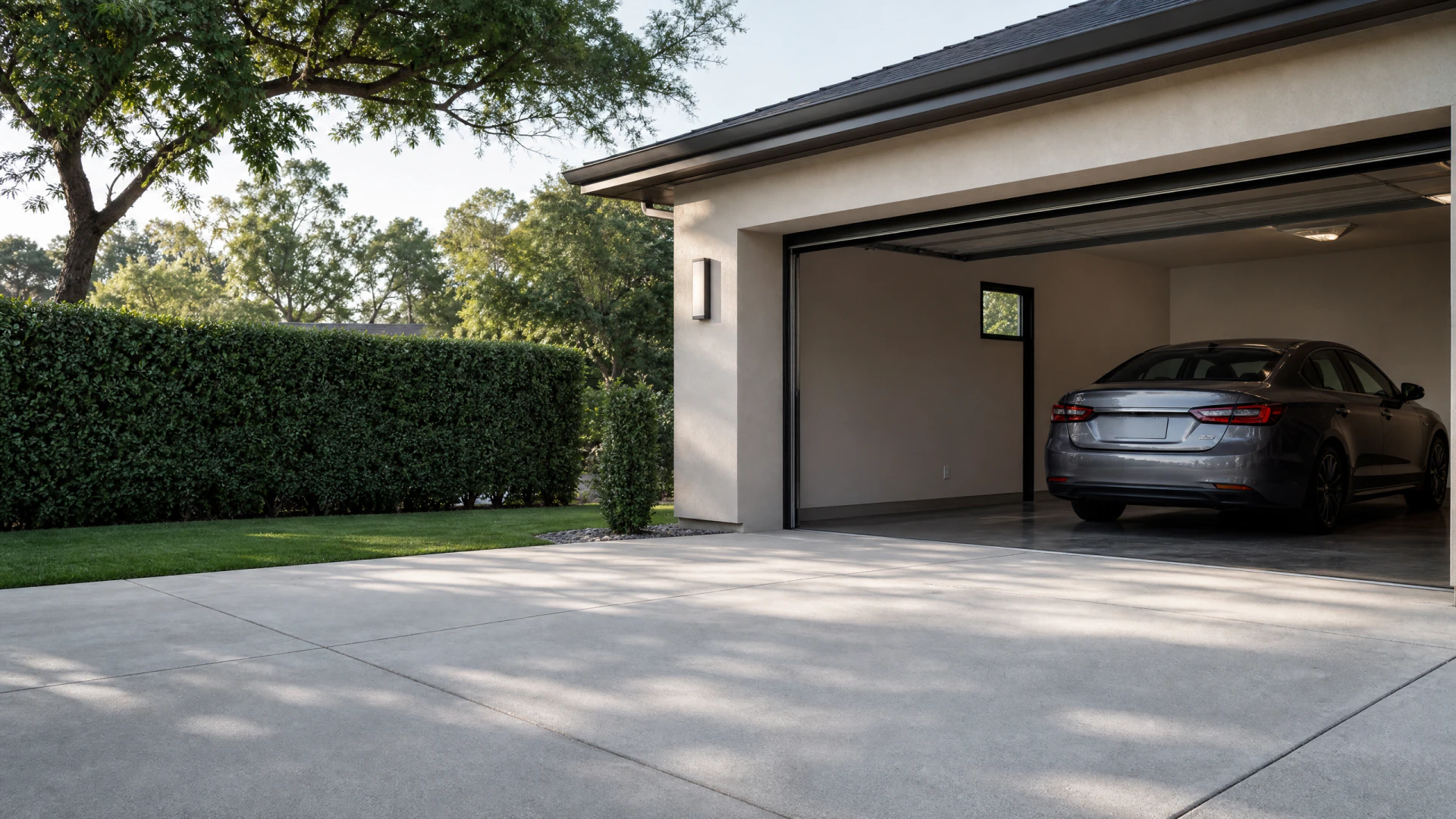
Your address isn't just contact information on a car insurance policy. It's one of the main things insurers use to calculate risk, because where a car is parked overnight affects the chances of theft, vandalism, weather damage, and even the kind of traffic it faces regularly. An address in one zip code can carry a very different risk profile than one a few miles away, and insurers price accordingly.
When you don't update your address, you're not just risking a wrong bill. You're technically giving inaccurate information on a contract. Insurance policies are built on the idea that both sides have accurate information to assess risk fairly. If that breaks down, especially in a way that would have changed your rate, the insurer has grounds to treat the policy differently after the fact, usually during a claim.
This is why the biggest consequence isn't a higher premium. It's a denied claim. Insurers often don't notice an outdated address until something happens and they investigate. At that point, if they find the car was actually kept somewhere other than what's listed, they can argue the policy was built around wrong facts and refuse to pay out. Rules on exactly how this plays out, and how much discrepancy is treated as fraud versus a simple oversight, vary by state and by insurer, so check your policy documents or ask directly if you're unsure.
There are cases where this matters less. If you moved within the same rating area, or if the address change wouldn't have affected your premium at all, insurers are often lenient. But you won't know that until you ask, and assuming it doesn't matter is the risky part, not the address change itself.
The real risk isn't a higher bill, it's a denied claim built on information that was already wrong.
How do I know if my adult child needs their own car insurance policy?
They need their own policy once they have a separate permanent address, especially if they took a car with them. If they still live with you most of the time and just visit elsewhere occasionally, they can usually stay on your policy. The clearest sign is a lease, a mailing address, or a routine that shows they live somewhere else now. If a car physically lives at their new address most nights, that car should move to a policy at that address, even if you're still paying for it.
Will my car insurance go down after I remove my kids from the policy?
Often yes, but not always, and it depends on why they were on the policy. If they were a rated driver who used one of the cars regularly, removing them usually lowers your rate because the insurer no longer accounts for their risk. But if your rate was mostly based on the cars themselves, removing a driver without removing an unused car may not change much. Check whether an extra car is still sitting on your policy unused, since that often matters more than the number of drivers.
What happens if I forgot to update my address for months?
Nothing happens automatically, but you're exposed the entire time. If no claim happens and you eventually update it, most insurers simply adjust your rate going forward with no penalty. The risk only becomes real if a claim happens during that gap, because then the insurer can review where the car was actually kept and potentially deny the claim. The longer the gap, the more it can look intentional, so update it as soon as you notice, regardless of how long it's been wrong.