What Happens if I Give Someone My Car and They Crash It
If you gave permission, your policy pays for the crash, not theirs, even if they don't live with you anymore.
Your son borrows the car for a weekend visit
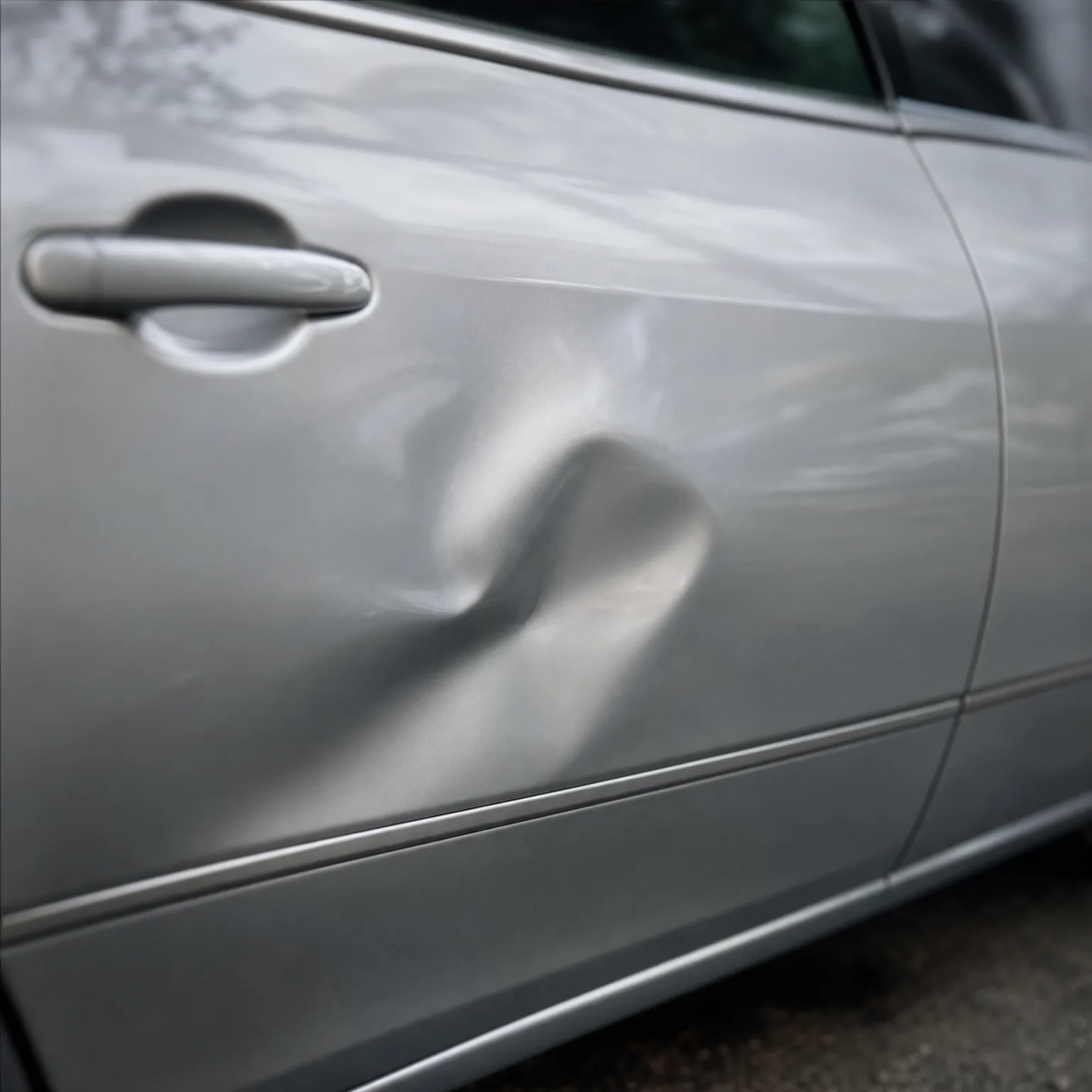
Your son moved out last year and comes back to visit a few times a month. This trip, he borrows your car to run errands and backs into a parked truck in a lot. No one is hurt, but both vehicles need bodywork. He calls you right away instead of driving off, which matters more than people realize.
Because you own the car and gave him permission to use it, your policy is the one that responds. You file the claim under your own coverage, pay your deductible, and your insurer handles the damage to both cars. Afterward you call your agent to ask whether your rates will change and whether your son should be listed as an occasional driver going forward, since he visits often enough that it's worth asking rather than guessing.
Will my rates go up if someone else crashes my car?
Often, yes, because the claim is tied to your policy and your driving record, not the driver's. Insurers look at the claim history on the car and the policy as a whole, so a crash by anyone you let drive it can affect your renewal pricing the same way a crash you caused would.
How much it affects you depends on the insurer, the state you live in, and whether this is your first claim in a long while. Some insurers forgive a first claim or weigh it less if you've had a clean record for years. Ask your agent directly how this specific claim is likely to be treated before you assume the worst, since the answer varies more than people expect.

Telling your insurer someone regularly borrows the car
If you do
Your insurer adjusts the policy to reflect who actually drives the car. If your son visits often and drives it each time, listing him avoids disputes later about whether his use counted as regular. Premiums may shift a little, but claims go smoother because nothing is hidden.
If you don't
If the undisclosed driver crashes the car and the pattern looks regular rather than occasional, your insurer can question the claim or deny parts of it. You may still be covered, but you risk a fight at the worst possible time, right after an accident.
Once you know who's really driving your cars, compare quotes to make sure your policy still fits.

What to sort out before you hand over the keys
- Permission matters If you say yes to someone driving your car, your insurance is the one that responds to a crash. Make sure you actually mean yes before you hand over the keys.
- Occasional vs. regular use A visiting adult child who drives once in a while is different from one who borrows the car every week. If the pattern becomes regular, tell your insurer so the policy matches reality.
- Your deductible applies Whoever is driving, you still pay your own deductible if they crash your car. Know that number before an accident happens, not after.
- Excluded drivers don't count If you specifically excluded someone from your policy, permission doesn't help them. Check your exclusions list if there's any chance that person might drive your car again.
- Their insurance may still matter If the damage is severe or someone is hurt, your insurer may pursue the driver's own policy too, especially if they have one. Ask your agent how this layering works in your state.
Why the car's policy pays, not the driver's
Car insurance in most states follows the vehicle first. The policy on the car is written to cover whoever is driving it with permission, because that's the exposure the insurer priced for when they wrote your policy. Your son doesn't need his own policy on your car to be covered. He needs your permission, and he had it.
This is also why insurers care about who regularly drives a car, not just who owns it. A policy priced for one or two drivers assumes a certain amount of use. If someone else is driving often, even a grown child visiting frequently, that changes the actual risk the insurer is taking on. Telling them keeps your coverage solid instead of resting on an assumption that no longer matches your life.
Where it gets more complicated is when the driver has their own policy too. In some states, insurers can look to the driver's policy as secondary coverage, especially if damages are large or someone is injured. This varies by state and by insurer, so it's worth asking your agent how your state handles it rather than assuming your policy is the only one in play.
The exception that trips people up is exclusions. If you've ever formally excluded someone from your policy, maybe an adult child with a rough driving record, that exclusion holds even if you hand them the keys yourself. Permission doesn't override an exclusion. If there's any chance that person drives your car again, check your policy's exclusion list before they do.
Does my son need his own car insurance if he doesn't own a car?
Not necessarily, if he drives only occasionally and always with permission, since your policy covers him as a permissive driver. But if he drives often, especially his own car at his new place, he likely needs his own policy there. Ask your agent where the line is, since insurers differ on how much occasional use they'll cover without a separate policy.
What if my daughter crashes a car I co-signed for but she drives full time?
The policy on that car is what responds, so check whose name is actually on the insurance, not just the loan. If she's listed as the primary driver on her own policy, her insurance pays first. If the car is still insured under your policy, yours pays, and you should move it to her name and her policy as soon as she's settled.
Can I remove my adult child from my policy if they still visit often?
Yes, but tell your insurer how often they'll actually drive your car when visiting, since removing them entirely while they still drive regularly can create the same dispute as never listing them. Ask about occasional driver status, which exists for exactly this situation, rather than choosing between fully listed and fully removed.