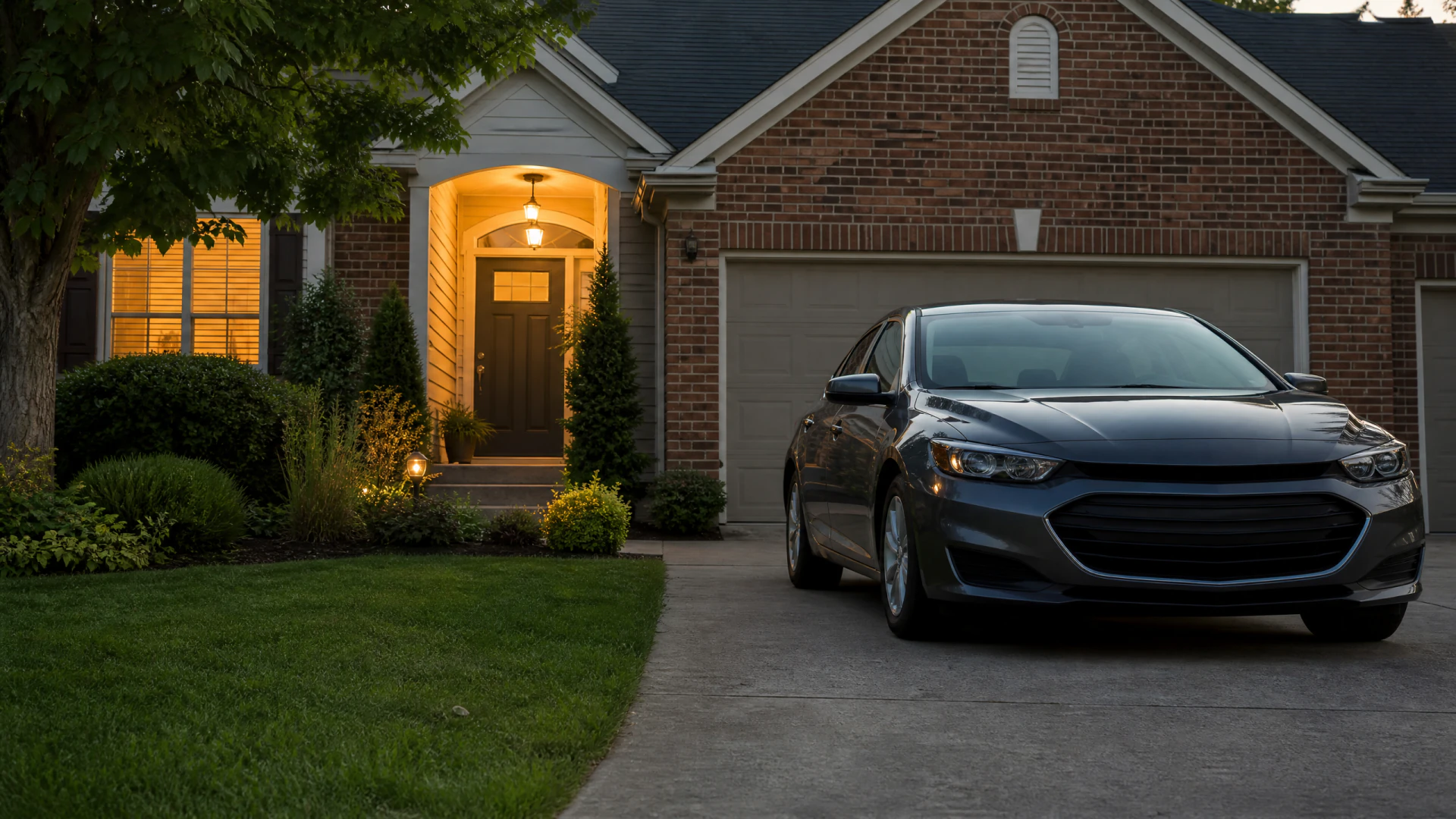
What Happens if My Son Crashes My Car
If your son is a listed or expected driver on your policy, your coverage pays for the crash the same way it would if you'd been driving.
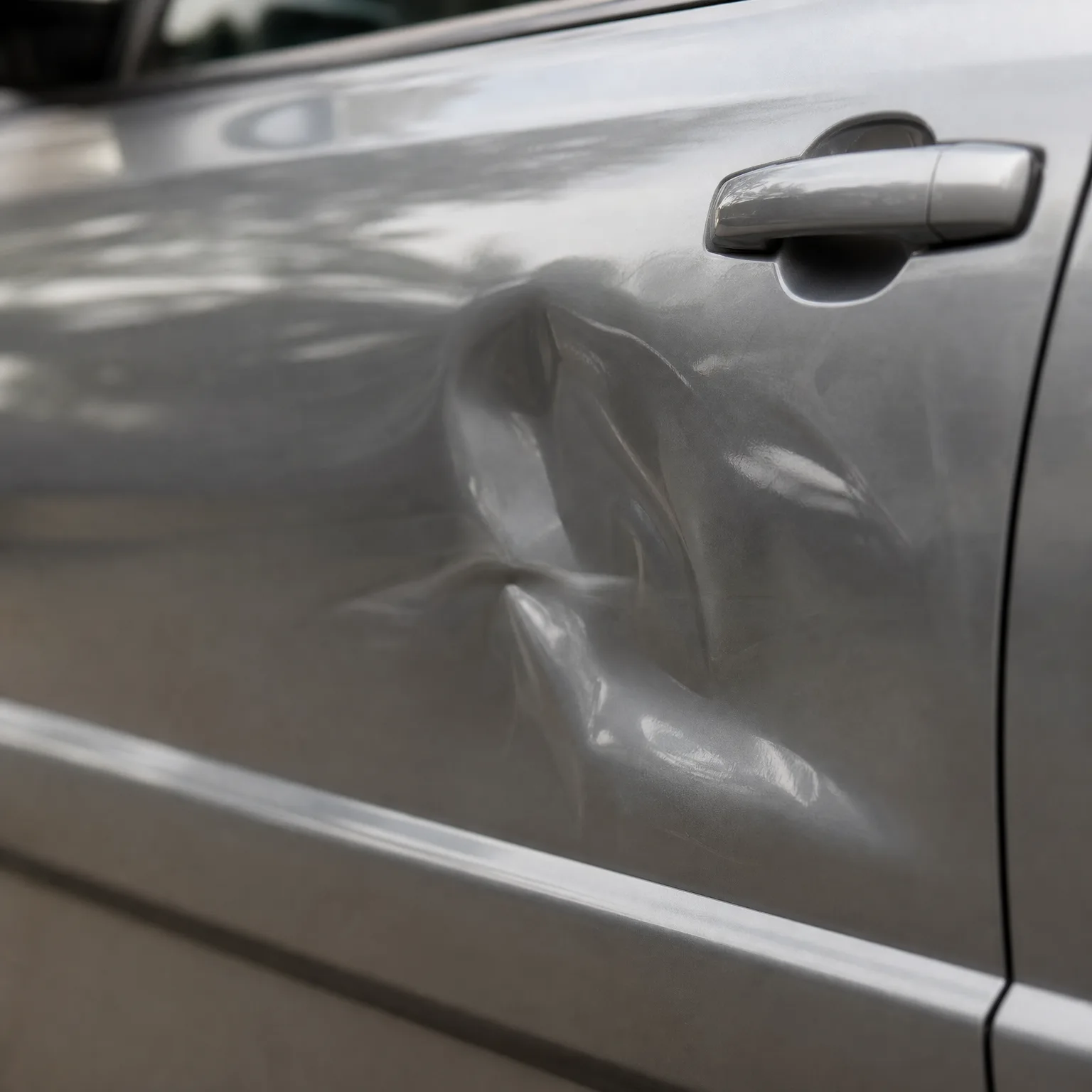
A visit home that ended in a dented fender
Say your son moved out last year and isn't listed on your policy anymore, since he insures his own car now. He comes home for a weekend and borrows your car to run an errand, and backs into a post in a parking lot. Because the damage happened with your permission and your car, your policy is the one that responds first, not his.
You filed the claim under your own policy, since that's whose car it was. Your insurer asked how often he drives your car and why he wasn't listed, which is a normal question when a driver outside the household uses the car occasionally. Because it was a one-time visit and not a regular pattern, there was no issue. If he were visiting every few weeks and driving often, the insurer might have asked you to add him instead, since frequent use is different from an occasional favor.
Will my rates go up if my son crashes my car?
Possibly, and it depends more on who's at fault and how your insurer treats the claim than on the fact that your son was driving. A claim where your son is found at fault is treated like any at-fault claim on your policy, since the policy covers the car, not just you personally.
Some insurers look at the driving record of whoever caused the crash when they recalculate your rate, so if your son has other marks on his record, that can factor in. Ask your insurer directly how they weigh an at-fault claim involving a driver other than the policyholder, since this varies by insurer and isn't something you can assume either way.

Whether to keep your son listed as a driver on your car
If you do
Your policy already expects him behind the wheel, so a crash gets handled the same as if you were driving. No awkward questions about who he is or why he had the keys. You're paying a little more all year, but you're not exposed if he visits often or borrows the car on short notice.
If you don't
You save on premium as long as he's not driving regularly. But if he crashes your car during a visit, your insurer may ask why someone driving that often wasn't listed, and could deny or delay the claim if his use looks like a regular pattern rather than an occasional one.
Once you know whether your son should be listed as a driver, compare quotes to see what that choice actually costs.
Why the car's policy, not the driver, decides what happens
Car insurance follows the car first. Most policies are written so that anyone you've given permission to drive your car is covered while driving it, which is why an occasional guest driver crashing your car is usually not a crisis. The policy was built around the vehicle and the household, not a single named person.
The complication shows up when a driver outside your household drives often enough that insurers start to treat them as a regular user rather than an occasional one. Insurers price policies based on who's expected to drive the car and how much, so a son who visits twice a year is a very different risk than one who borrows the car every weekend. When actual use doesn't match what the insurer was told, that gap is where claims get questioned, not because the crash itself wasn't covered, but because the risk wasn't accurately described upfront.
This is also where state rules and individual insurer policies pull apart. Some states require insurers to cover any permitted driver regardless of how often they drive, while others give insurers more room to deny a claim if a driver was omitted and shouldn't have been. Ask your insurer plainly how they define a regular driver and what happens if an unlisted person causes a crash, since the answer isn't the same everywhere.
None of this changes if your son has his own policy on his own car. If he's driving your car when the crash happens, your policy is still the one responding first, with his own insurance potentially stepping in only if your coverage isn't enough to cover everything.

What matters isn't whether he's listed, it's whether his actual driving matches what your insurer was told.
Does my son need his own insurance if he still drives my car sometimes?
Not necessarily, if his driving is occasional and your policy allows permitted drivers. He only needs his own policy once he owns a car, is assigned one regularly, or your insurer requires him listed due to how often he drives yours. Check your policy's definition of a permitted driver versus a regular one, since insurers draw that line differently. If he's moved into his own place with his own car, that's the clear signal to separate the policies.
Should I remove my son from my policy once he moves out?
Only once he's no longer driving your car on a regular basis. If he visits occasionally and borrows the car now and then, many insurers are fine leaving him off as long as that pattern stays occasional. If he's still driving fairly often, even without living there, ask your insurer whether he needs to stay listed, since the deciding factor is actual use, not his address.
What's the difference between an occasional driver and an excluded driver?
An occasional driver is someone allowed to drive your car sometimes and is typically still covered without issue. An excluded driver is someone you've specifically told your insurer is not covered under your policy, usually to lower your premium. If your son is excluded and he crashes your car, the claim can be denied entirely, so check your documents carefully if you're unsure whether he was ever excluded rather than just unlisted.