What Is a Good Amount of Collision Coverage
The right amount of collision coverage matches what each car is actually worth, not what you paid for it years ago.
How to size collision coverage car by car
- Check each car's value Look up what each car is worth right now, not what you paid originally. If the value has dropped a lot, your coverage needs may have dropped with it.
- Compare coverage cost to payout If a year of collision coverage costs a large share of what the car is worth, that tells you something. Weigh that against what you'd actually get paid if the car were totaled.
- Separate the rarely driven car A car that mostly sits still doesn't need the same coverage as one driven daily. Ask whether lower coverage or none at all makes sense for that one.
- Match deductible to your savings A higher deductible lowers your premium but means paying more out of pocket after an accident. Pick a number you could actually cover today, not an ideal one.
- Revisit this every year or two Car values and your situation change even when you're not paying attention. Set a reminder to check coverage against value instead of letting the policy run on autopilot.

One family's driveway, two different answers
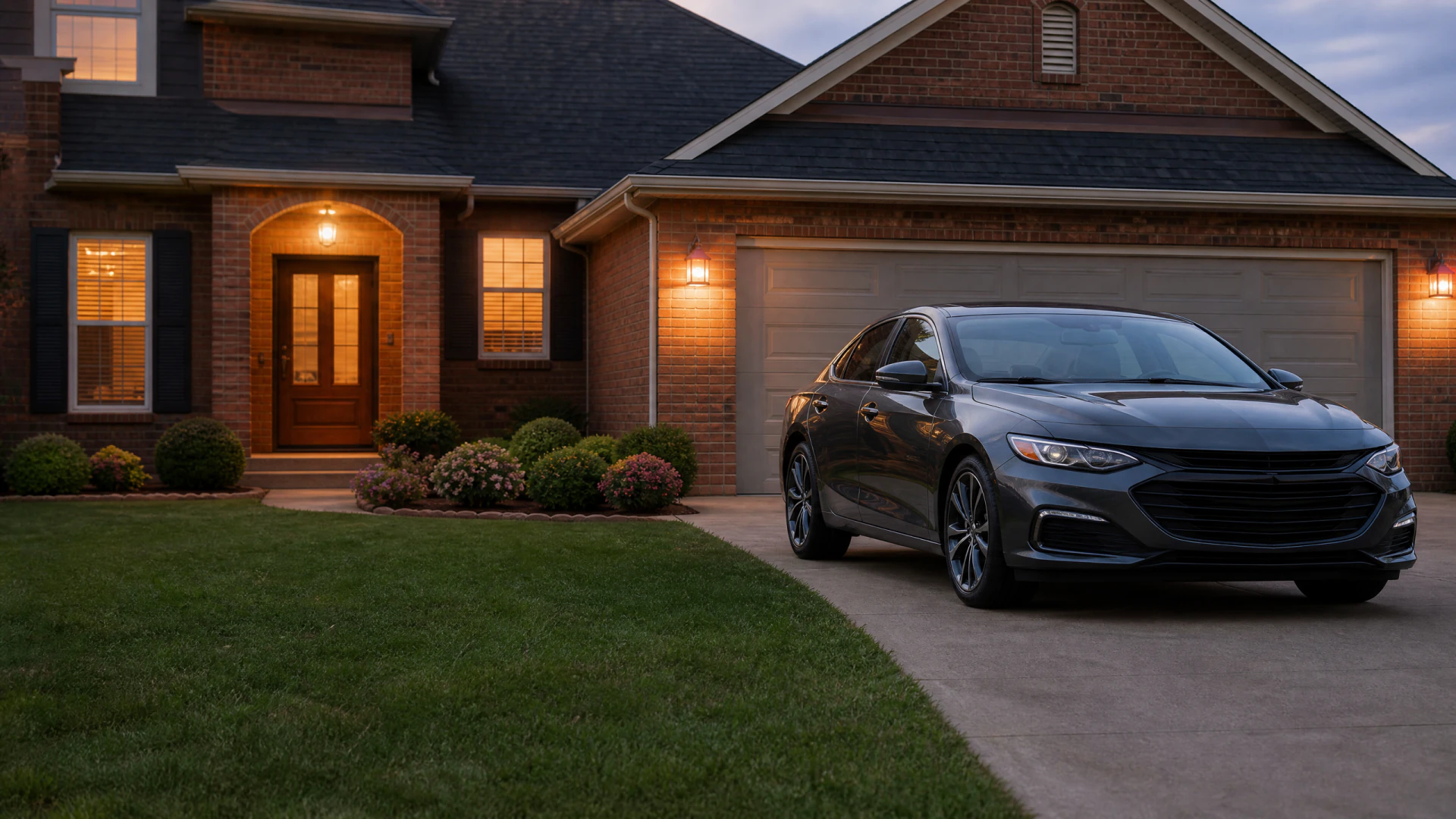
A couple in their fifties had two cars left in the driveway once both kids moved out. One was the mom's newer car, still worth a good amount and driven every day for work. The other was an older sedan that used to belong to their son, now just sitting there for occasional errands and visits home.
They checked the value of each car separately instead of treating the policy as one bundle. The newer car clearly needed full collision coverage, since replacing it would be expensive and the loan on it was still active. The older sedan was worth so little that a year of collision coverage cost a real chunk of its total value, so they dropped collision on that one and kept liability coverage instead. The newer car stayed fully protected, the older one got cheaper to insure, and the overall bill dropped without either of them feeling exposed.

Now that you know what collision coverage each car actually needs, compare quotes built around that.

Should you drop collision coverage on the older car
If you do
You stop paying for collision coverage on a car that isn't worth much. If it's totaled or badly damaged, you cover repairs or replacement yourself. Your bill drops right away, and that money can go toward a car that actually needs full protection.
If you don't
You keep paying collision coverage that may cost close to what the car itself is worth. If something happens to the car, you're covered, but you're also paying a steady amount for a payout that may not be very large. The bill stays higher without matching what the car is worth.
Why the right amount depends on the car, not the household
Collision coverage pays to repair or replace your own car after an accident, up to what the car is worth. That number shrinks every year a car ages, even if nothing changes about how it's driven. A policy built years ago, when the cars were newer and there were more drivers in the house, almost never matches what the cars are worth today.
The core idea is simple. Collision coverage only makes financial sense when the potential payout is meaningfully higher than what you'd pay for the coverage itself. Once a car's value drops low enough, you're essentially paying close to full price for the chance at a payout that's close to what the car is worth anyway. That math shifts every year, which is why this isn't a one time decision.
This is also why the same household can have two completely different right answers. A newer car with a loan on it usually needs full coverage, because losing it without a payout would be expensive and because many lenders require it anyway. An older car driven occasionally might not need collision at all. Treating the whole policy as one bundle hides this difference and usually means overpaying for at least one car.
What counts as the right deductible and whether a lender requires coverage varies by situation, so check your loan terms and your insurer's rules before changing anything. If a car is still financed or leased, you may not have full freedom to drop coverage even if the math says you could.
Stop thinking of your policy as one bundle. Each car needs its own answer, based on what it's worth right now.